Sport on Earth › Card Games › Pack 1 of 3
Card Games — Pack 1 of 3
Packed edition (consolidation Nov 15, 2026): 60 entries on this page, each under its own heading — open a heading to read it. Packs: Pack 1 · Pack 2 · Pack 3.
All Fours
Sport on Earth › Card Games › All Fours
Card Games
All Fours
All Fours — a trick-taking card game from England, 17th century, typically for 2 players (also 4 in partnerships) players.
History
All Fours was first described in Charles Cotton’s Compleat Gamester of 1674 and is one of the oldest English point-trick games. It crossed the Atlantic and in America gave rise to pitch, pedro and cinch. It survives strongly in the Caribbean, notably in Trinidad and Tobago, as well as in its older English form.
How to play
Each player receives six cards and a card is turned for trump, with the dealer able to run the cards or beg for more. One point each is scored for high trump, low trump, jack of trump and game for the most card points. Tricks are played with freedom to trump, and the jack point depends on who captures it. Card points are counted from aces, court cards and tens taken in tricks. First player to seven points wins the game.
Leagues & organised play
No organised league circuit — played socially / in casinos
Video
The desk’s view — All Fours
All Fours comes out of England, 17th century and sits in the trick-taking family. All Fours was first described in Charles Cotton's Compleat Gamester of 1674 and is one of the oldest English point-trick games. It crossed the Atlantic and in America gave rise to pitch, pedro and cinch.
The desk’s read: Trick-taking is the oldest competitive grammar in the card canon, and the desk holds its games to the standard the family set for itself centuries ago: follow suit, mind the trump, count what has gone. In play: Each player receives six cards and a card is turned for trump, with the dealer able to run the cards or beg for more. One point each is scored for high trump, low trump, jack of trump and game for the most card points. It is a game for 2 players (also 4 in partnerships). On organised play the record is plain: No organised league circuit — played socially / in casinos. (Record: Wikipedia.)
Baccarat
Sport on Earth › Card Games › Baccarat
Card Games
Baccarat
Baccarat — a banking & casino card game from Italy / France, 15th-19th centuries (modern form 19th century), typically for Many players betting on two hands players.
History
Baccarat’s name is linked to the Italian word for zero, the value of court cards and tens, though its early history is disputed by historians. The game became established in France in the 19th century in three forms, punto banco, chemin de fer and baccarat banque. Punto banco became the standard casino game of the Americas and of high-stakes play in Macau.
How to play
Bettors stake on player, banker or a tie before any cards are dealt. Two cards are dealt to the player hand and the banker hand, with face cards and tens worth zero and totals taken modulo ten. Fixed drawing rules, not player choice, decide whether either hand takes a third card. The hand finishing closer to nine wins. Winning banker bets usually pay a small commission and winning player bets pay even money.
Leagues & organised play
No organised league circuit — played socially / in casinos
Video

The desk’s view — Baccarat
Baccarat comes out of Italy / France, 15th-19th centuries (modern form 19th century) and sits in the banking & casino family. Baccarat's name is linked to the Italian word for zero, the value of court cards and tens, though its early history is disputed by historians. The game became established in France in the 19th century in three forms, punto banco, chemin de fer and baccarat banque.
The desk’s read: The banking games are kept here as history and rules record — the desk documents them the way it documents any game with a long published past. In play: Bettors stake on player, banker or a tie before any cards are dealt. Two cards are dealt to the player hand and the banker hand, with face cards and tens worth zero and totals taken modulo ten. It is a game for Many players betting on two hands. On organised play the record is plain: No organised league circuit — played socially / in casinos. (Record: Encyclopaedia Britannica / David Parlett.)
Basra
Sport on Earth › Card Games › Basra
Card Games
Basra
Basra — a fishing card game from Egypt / Middle East, 20th century (documented), typically for 2-4 players players.
History
Basra is the Egyptian and Levantine fishing game, related to pasur and cassino and played in cafes across Egypt and the wider Middle East. Its name most likely comes from the Arabic for a sweeping capture. The jack’s sweep and the bonus basra capture give the game its pace.
How to play
Each player receives four cards in batches with four cards face up on the table. A numbered card captures one equal card or a group summing to its value, while kings and queens only match singly. A jack captures all table cards but scores no bonus for doing so. Capturing all table cards with a matching numbered card scores a basra bonus of ten points. Most cards and specified card values decide the score, with play to an agreed target such as one hundred and one.
Leagues & organised play
No organised league circuit — played socially / in casinos
Video

The desk’s view — Basra
Basra comes out of Egypt / Middle East, 20th century (documented) and sits in the fishing family. Basra is the Egyptian and Levantine fishing game, related to pasur and cassino and played in cafes across Egypt and the wider Middle East. Its name most likely comes from the Arabic for a sweeping capture.
The desk’s read: Fishing games are the table-top's quiet strategists: the layout is public, the memory is the skill, and the sweep, when it comes, feels earned. In play: Each player receives four cards in batches with four cards face up on the table. A numbered card captures one equal card or a group summing to its value, while kings and queens only match singly. It is a game for 2-4 players. On organised play the record is plain: No organised league circuit — played socially / in casinos. (Record: Wikipedia.)
Basset
Sport on Earth › Card Games › Basset
Card Games
Basset
Basset — a banking & casino card game from Italy / France, 16th-17th centuries, typically for Many bettors against the bank players.
History
Basset, or bassette, was an Italian banking game that became a ruinous fashion at the court of Louis XIV in France. It was repeatedly restricted by royal edict because of the heavy losses of courtiers. Faro was developed from basset in France, simplifying its dealing and settlement.
How to play
Bettors place stakes on cards pictured on a layout, choosing how far to let winnings ride through the game’s stages. The banker deals cards in pairs, one winning for bettors and one for the bank, as in faro. A bet on a dealt rank is settled, with higher stages paying larger multiples if the bettor lets it run. Special cards and the faci stage govern the largest payouts. The bank settles all layout bets after each coup until the deck or the bank is exhausted.
Leagues & organised play
No organised league circuit — played socially / in casinos
Video
No verified video yet.
The site lists a video only when it has been probed playable (YouTube oEmbed) and identity-checked against the game; none has passed both checks for Basset yet.
The desk’s view — Basset
Basset comes out of Italy / France, 16th-17th centuries and sits in the banking & casino family. Basset, or bassette, was an Italian banking game that became a ruinous fashion at the court of Louis XIV in France. It was repeatedly restricted by royal edict because of the heavy losses of courtiers.
The desk’s read: The banking games are kept here as history and rules record — the desk documents them the way it documents any game with a long published past. In play: Bettors place stakes on cards pictured on a layout, choosing how far to let winnings ride through the game's stages. The banker deals cards in pairs, one winning for bettors and one for the bank, as in faro. It is a game for Many bettors against the bank. On organised play the record is plain: No organised league circuit — played socially / in casinos. (Record: Wikipedia.)
Beggar-My-Neighbour
Sport on Earth › Card Games › Beggar-My-Neighbour
Card Games
Beggar-My-Neighbour
Beggar-My-Neighbour — a children’s card game from Britain, 19th century (documented), typically for 2 players (forms for more) players.
History
Beggar-my-neighbour is a British adding and capture game documented in the 19th century as a children’s and family game. It is related to the Italian game straccia camicia, played the same way. With no decisions at all, its long reversals have made it a subject of mathematical study, including whether a game must always end.
How to play
The whole pack is dealt face down and players turn cards in turn onto a single central pile. When a court card or ace appears, the next player must pay a tax of one to four cards according to its rank. If another penalty card appears in the payment the tax passes back the other way. If the payment completes without a penalty card, the player of the original penalty card captures the whole pile. The player who collects the entire pack wins.
Leagues & organised play
No organised league circuit — played socially / in casinos
Video

The desk’s view — Beggar-My-Neighbour
Beggar-My-Neighbour comes out of Britain, 19th century (documented) and sits in the children's family. Beggar-my-neighbour is a British adding and capture game documented in the 19th century as a children's and family game. It is related to the Italian game straccia camicia, played the same way.
The desk’s read: The children's games in the canon are printed without condescension: simple rules, honestly recorded, and the first table most of us ever sat at. In play: The whole pack is dealt face down and players turn cards in turn onto a single central pile. When a court card or ace appears, the next player must pay a tax of one to four cards according to its rank. It is a game for 2 players (forms for more). On organised play the record is plain: No organised league circuit — played socially / in casinos. (Record: Wikipedia.)
Belote
Sport on Earth › Card Games › Belote
Card Games
Belote
Belote — a partnership classics card game from France, c.1920, typically for 4 players in 2 partnerships players.
History
Belote appeared in France around 1920 as a relative of Dutch klaverjas and the game clobyosh played in Jewish communities. After the Second World War it became France’s national card game, succeeding manille. A national federation was founded in 2013 to promote the game and organise tournaments.
How to play
Each player receives eight cards from a 32 card pack in stages, with a card turned up for a first round of trump calls. The taker names trump, and players then play point-tricks following suit and, in trump, rising if able. Card points, the last trick and declarations such as belote for the king and queen of trump decide the hand. The taker’s side must outscore the defenders to make its contract. First side to the agreed total, often one thousand points, wins.
Leagues & organised play
Fédération Française de Belote — Founded in 2013, the French Belote Federation promotes belote and organises tournaments in France.
Video

The desk’s view — Belote
Belote comes out of France, c.1920 and sits in the partnership classics family. Belote appeared in France around 1920 as a relative of Dutch klaverjas and the game clobyosh played in Jewish communities. After the Second World War it became France's national card game, succeeding manille.
The desk’s read: The partnership classics ask the hardest thing cards can ask — that you play as half of a single mind, in silence, under rules that forbid the one conversation you want to have. In play: Each player receives eight cards from a 32 card pack in stages, with a card turned up for a first round of trump calls. The taker names trump, and players then play point-tricks following suit and, in trump, rising if able. It is a game for 4 players in 2 partnerships. (Record: Pagat.com.)
Bezique
Sport on Earth › Card Games › Bezique
Card Games
Bezique
Bezique — a trick-taking card game from France, 1847 (first rules in Paris), typically for 2 players players.
History
Bezique was first described in Paris in 1847 as a new game derived from piquet through the marriage family. It became the Paris fashion of 1860, reached England in 1861, and counted Winston Churchill among its keen players. In America its binocle form evolved directly into pinochle.
How to play
Two 32 card packs are shuffled together and each player receives eight cards, with a trump card turned from the stock. The winner of each trick may declare melds such as marriages, sets of four court cards and beziques, the queen of spades with jack of diamonds. Tricks need not be followed until the stock is exhausted, when strict follow and win rules apply to the last eight tricks. Aces and tens won in tricks score ten points each at the end. First player to one thousand or the agreed total wins.
Leagues & organised play
No organised league circuit — played socially / in casinos
Video

The desk’s view — Bezique
Bezique comes out of France, 1847 (first rules in Paris) and sits in the trick-taking family. Bezique was first described in Paris in 1847 as a new game derived from piquet through the marriage family. It became the Paris fashion of 1860, reached England in 1861, and counted Winston Churchill among its keen players.
The desk’s read: Trick-taking is the oldest competitive grammar in the card canon, and the desk holds its games to the standard the family set for itself centuries ago: follow suit, mind the trump, count what has gone. In play: Two 32 card packs are shuffled together and each player receives eight cards, with a trump card turned from the stock. The winner of each trick may declare melds such as marriages, sets of four court cards and beziques, the queen of spades with jack of diamonds. It is a game for 2 players. On organised play the record is plain: No organised league circuit — played socially / in casinos. (Record: Wikipedia.)
Big Two
Sport on Earth › Card Games › Big Two
Card Games
Big Two
Big Two — a shedding card game from Hong Kong / China, 20th century (documented), typically for 4 players players.
History
Big two, also called deuces and pusoy dos in the Philippines, is a climbing game that developed in Hong Kong and spread through Chinese and south-east Asian communities in the 20th century. Its name comes from the two of spades, the highest single card in the game. It is a standard game in Hong Kong, Taiwan, Singapore and diaspora communities.
How to play
The whole pack is dealt to four players and the holder of the three of diamonds leads it, alone or in a combination. Players in turn must beat the last play with the same number of cards and a higher combination, or pass, with suits ranking spades highest. Valid plays are singles, pairs, triples and five-card poker combinations ranked from straight to straight flush. A player who passes may return later in the same climb. The first player to shed all cards wins, and others score by the cards left in hand, with doubles for ten or more.
Leagues & organised play
No organised league circuit — played socially / in casinos
Video

The desk’s view — Big Two
Big Two comes out of Hong Kong / China, 20th century (documented) and sits in the shedding family. Big two, also called deuces and pusoy dos in the Philippines, is a climbing game that developed in Hong Kong and spread through Chinese and south-east Asian communities in the 20th century. Its name comes from the two of spades, the highest single card in the game.
The desk’s read: Shedding games invert the usual ambition: the hand you want is no hand at all, and every card kept is a small failure of nerve or luck. In play: The whole pack is dealt to four players and the holder of the three of diamonds leads it, alone or in a combination. Players in turn must beat the last play with the same number of cards and a higher combination, or pass, with suits ranking spades highest. It is a game for 4 players. On organised play the record is plain: No organised league circuit — played socially / in casinos. (Record: Wikipedia.)
Blackjack
Sport on Earth › Card Games › Blackjack
Card Games
Blackjack
Blackjack — a banking & casino card game from France, 18th century (as Vingt-et-Un), renamed in the United States, typically for 1-7 players against the dealer players.
History
Blackjack descends from the French game vingt-et-un, recorded in the 18th century and a favourite tradition associates with Napoleon. It reached the United States in the 19th century, where the name blackjack came from an early bonus payout for ace plus a black jack. Card counting, publicised by Edward Thorp in 1962, made it the most studied casino banking game in the world.
How to play
Each player bets and receives two cards against the dealer’s one exposed and one hidden card. Players aim for a total closer to twenty-one than the dealer without going over. On each turn a player may hit for another card, stand, double down, split a pair or take insurance where offered. The dealer then plays to fixed rules, normally drawing to sixteen and standing on seventeen. Hands beating the dealer are paid, usually even money, with a natural blackjack paying a premium such as three to two.
Leagues & organised play
No organised league circuit — played socially / in casinos
Video
The desk’s view — Blackjack
Blackjack comes out of France, 18th century (as Vingt-et-Un), renamed in the United States and sits in the banking & casino family. Blackjack descends from the French game vingt-et-un, recorded in the 18th century and a favourite tradition associates with Napoleon. It reached the United States in the 19th century, where the name blackjack came from an early bonus payout for ace plus a black jack.
The desk’s read: The banking games are kept here as history and rules record — the desk documents them the way it documents any game with a long published past. In play: Each player bets and receives two cards against the dealer's one exposed and one hidden card. Players aim for a total closer to twenty-one than the dealer without going over. It is a game for 1-7 players against the dealer. On organised play the record is plain: No organised league circuit — played socially / in casinos. (Record: David Parlett (parlettgames.uk) / Encyclopaedia Britannica.)
Briscola
Sport on Earth › Card Games › Briscola
Card Games
Briscola
Briscola — a trick-taking card game from Italy / Mediterranean, 19th century, typically for 2 players, or 4 in partnerships (up to 6) players.
History
Briscola is one of Italy’s three national card games alongside scopa and tressette, played across the Mediterranean world. It is usually traced as a little-changed descendant of the French game brusquembille, elaborated from a Dutch-related original carried by sailors. Regional forms thrive from Spain and Portugal to Croatia, Malta and Puerto Rico.
How to play
Players receive three cards from a 40 card Italian pack and the last card is set aside face up to fix trump, the briscola. The leader plays any card and the other may play any card, since following suit is not required. The highest trump, or the highest card of the suit led, wins the trick, and both then draw a fresh card. Aces and threes carry the most card points, followed by court cards. The player or side with the most card points after the pack is exhausted wins.
Leagues & organised play
No organised league circuit — played socially / in casinos
Video

The desk’s view — Briscola
Briscola comes out of Italy / Mediterranean, 19th century and sits in the trick-taking family. Briscola is one of Italy's three national card games alongside scopa and tressette, played across the Mediterranean world. It is usually traced as a little-changed descendant of the French game brusquembille, elaborated from a Dutch-related original carried by sailors.
The desk’s read: Trick-taking is the oldest competitive grammar in the card canon, and the desk holds its games to the standard the family set for itself centuries ago: follow suit, mind the trump, count what has gone. In play: Players receive three cards from a 40 card Italian pack and the last card is set aside face up to fix trump, the briscola. It is a game for 2 players, or 4 in partnerships (up to 6). On organised play the record is plain: No organised league circuit — played socially / in casinos. (Record: Wikipedia.)
Buraco
Sport on Earth › Card Games › Buraco
Card Games
Buraco
Buraco — a rummy card game from Brazil / Italy, mid-20th century (from Canasta), typically for 4 players in 2 partnerships (also 2) players.
History
Buraco grew out of canasta in South America in the mid-20th century and became a leading partnership game in Brazil. In Italy the closely related burraco became a major social and club game with its own codified rules. Both forms keep canasta’s seven-card melds while freeing the discard pile rules.
How to play
Each partnership receives eleven cards and two separate eleven-card pots, the pozzetti, are set aside. Turns are draw two cards or take the whole discard pile, meld sets and runs, and discard one card. When a player empties a hand the partnership takes a pot and play continues. A clean buraco of seven natural cards scores more than a dirty one using a wild card. A side must complete a buraco before going out, and the first to the target score, often two thousand or three thousand, wins.
Leagues & organised play
No organised league circuit — played socially / in casinos
Video

The desk’s view — Buraco
Buraco comes out of Brazil / Italy, mid-20th century (from Canasta) and sits in the rummy family. Buraco grew out of canasta in South America in the mid-20th century and became a leading partnership game in Brazil. In Italy the closely related burraco became a major social and club game with its own codified rules.
The desk’s read: Rummy's family secret is that it is a game about information: every discard is a sentence your opponents get to read. In play: Each partnership receives eleven cards and two separate eleven-card pots, the pozzetti, are set aside. Turns are draw two cards or take the whole discard pile, meld sets and runs, and discard one card. It is a game for 4 players in 2 partnerships (also 2). On organised play the record is plain: No organised league circuit — played socially / in casinos. (Record: Wikipedia.)
Call Break
Sport on Earth › Card Games › Call Break
Card Games
Call Break
Call Break — a trick-taking card game from Nepal and South Asia, 20th century, typically for 4 players players.
History
Call Break is a spades-trump bidding game widely played in Nepal and across South Asia, closely related to call bridge. It became a default social and mobile game in Nepal, India and Bangladesh in the late 20th and early 21st centuries. Its short rounds and exact bidding make it a common family tournament game.
How to play
Each player receives thirteen cards with spades as permanent trump. Each player bids, or calls, the number of tricks they expect to take, with a minimum of one. Tricks follow suit if possible and the highest spade or card of the suit led wins. A player scores the bid plus a tenth per overtrick for making the call, and loses the bid for failing. Totals after the agreed rounds, often five, decide the winner.
Leagues & organised play
No organised league circuit — played socially / in casinos
Video

The desk’s view — Call Break
Call Break comes out of Nepal and South Asia, 20th century and sits in the trick-taking family. Call Break is a spades-trump bidding game widely played in Nepal and across South Asia, closely related to call bridge. It became a default social and mobile game in Nepal, India and Bangladesh in the late 20th and early 21st centuries.
The desk’s read: Trick-taking is the oldest competitive grammar in the card canon, and the desk holds its games to the standard the family set for itself centuries ago: follow suit, mind the trump, count what has gone. In play: Each player receives thirteen cards with spades as permanent trump. Each player bids, or calls, the number of tricks they expect to take, with a minimum of one. It is a game for 4 players. On organised play the record is plain: No organised league circuit — played socially / in casinos. (Record: Wikipedia.)
Canasta
Sport on Earth › Card Games › Canasta
Card Games
Canasta
Canasta — a rummy card game from Montevideo, Uruguay, 1939, typically for 4 players in 2 partnerships (variants for 2-6) players.
History
Canasta was devised in Montevideo in 1939 by Segundo Santos and Alberto Serrato as a faster relative of bridge. It spread through South America in the 1940s and reached the United States in 1948, becoming the great card craze of the early 1950s. Official laws agreed by American and Argentine commissions in 1949 to 1951 stabilised the classic game.
How to play
Partnerships use a 108 card pack of two decks plus jokers and each player receives eleven cards. On a turn a player draws, may meld cards of the same rank, and discards, with jokers and twos wild and red threes set aside for bonuses. A meld of seven cards is a canasta and scores a large bonus, natural canastas paying more than mixed ones. The discard pile can be taken under conditions that tighten when it is frozen by a wild card or red three. A side may go out only after making a canasta, and first partnership to five thousand points wins.
Leagues & organised play
No organised league circuit — played socially / in casinos
Video

The desk’s view — Canasta
Canasta comes out of Montevideo, Uruguay, 1939 and sits in the rummy family. Canasta was devised in Montevideo in 1939 by Segundo Santos and Alberto Serrato as a faster relative of bridge. It spread through South America in the 1940s and reached the United States in 1948, becoming the great card craze of the early 1950s.
The desk’s read: Rummy's family secret is that it is a game about information: every discard is a sentence your opponents get to read. In play: Partnerships use a 108 card pack of two decks plus jokers and each player receives eleven cards. On a turn a player draws, may meld cards of the same rank, and discards, with jokers and twos wild and red threes set aside for bonuses. It is a game for 4 players in 2 partnerships (variants for 2-6). On organised play the record is plain: No organised league circuit — played socially / in casinos. (Record: Wikipedia / Encyclopaedia Britannica.)
Canfield
Sport on Earth › Card Games › Canfield
Card Games
Canfield
Canfield — a patience/solitaire-family card game from United States, 1890s (Richard Canfield’s casino), typically for 1 player players.
History
Canfield takes its name from Richard Canfield, the American gambling operator who offered the game at his Saratoga casino in the 1890s. Players bought the deck and won back money for each card placed, and the house edge became a famous early lesson in patience odds. In Britain the same game is usually called demon patience.
How to play
A reserve pile of thirteen cards is dealt with its top card face up, and a single foundation card starts the piles, with four tableau cards below. Foundations build up in suit, wrapping from king to ace, starting from the dealt base card. Tableau piles build down in alternating colours and whole piles move together. Stock cards are turned in threes to a waste pile with unlimited redeals in the common form. The game is won when all cards, including the stubborn reserve, reach the foundations.
Leagues & organised play
No organised league circuit — played socially / in casinos
Video
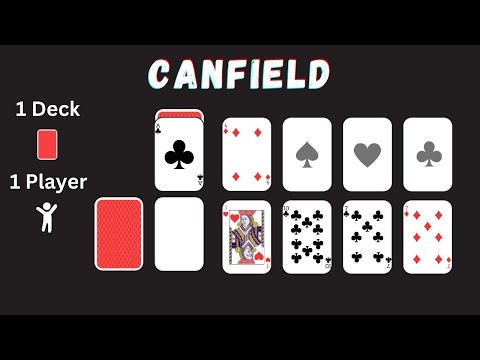
The desk’s view — Canfield
Canfield comes out of United States, 1890s (Richard Canfield's casino) and sits in the patience/solitaire-family family. Canfield takes its name from Richard Canfield, the American gambling operator who offered the game at his Saratoga casino in the 1890s. Players bought the deck and won back money for each card placed, and the house edge became a famous early lesson in patience odds.
The desk’s read: The patience family is the one branch of the canon played alone against the shuffle itself — the desk treats its literature as seriously as any duel's. In play: A reserve pile of thirteen cards is dealt with its top card face up, and a single foundation card starts the piles, with four tableau cards below. It is a game for 1 player. On organised play the record is plain: No organised league circuit — played socially / in casinos. (Record: Wikipedia.)
Cassino
Sport on Earth › Card Games › Cassino
Card Games
Cassino
Cassino — a fishing card game from England, first recorded 1792, typically for 2-4 players players.
History
Cassino, sometimes spelled casino, is an English fishing game first recorded in 1792, where it became a fashionable craze. Research by Franco Pratesi showed there is no evidence for the often-claimed Italian origin. It is the only fishing game to establish itself fully in the English-speaking world and is still played in Madeira.
How to play
Each player receives four cards and four cards are dealt face up to the table, with hands re-dealt in batches until the pack is gone. On a turn a player may capture table cards of equal value or built to a matching sum, trail a card to the table, or build cards toward a capture. Captured cards, aces, the ten of diamonds called big casino and the two of spades called little casino score points. The last capture takes any cards left on the table at the end. Most cards, most spades, sweeps and the special cards make up the usual twenty-one point game.
Leagues & organised play
No organised league circuit — played socially / in casinos
Video
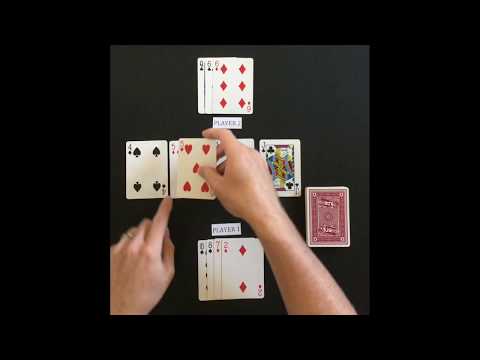
The desk’s view — Cassino
Cassino comes out of England, first recorded 1792 and sits in the fishing family. Cassino, sometimes spelled casino, is an English fishing game first recorded in 1792, where it became a fashionable craze. Research by Franco Pratesi showed there is no evidence for the often-claimed Italian origin.
The desk’s read: Fishing games are the table-top's quiet strategists: the layout is public, the memory is the skill, and the sweep, when it comes, feels earned. In play: Each player receives four cards and four cards are dealt face up to the table, with hands re-dealt in batches until the pack is gone. It is a game for 2-4 players. On organised play the record is plain: No organised league circuit — played socially / in casinos. (Record: Wikipedia.)
Cego
Sport on Earth › Card Games › Cego
Card Games
Cego
Cego — a trick-taking card game from Baden, Germany, 19th century, typically for 3 players players.
History
Cego is the tarock game of Baden in south-west Germany, surviving where most regional tarock games died out. It took shape in the 19th century as soldiers carried tarock home from the Napoleonic era. The blind contract, playing from the talon without seeing a hand, gives cego its name and drama.
How to play
Players use a 54 card tarock pack, with eleven cards each, a ten card blind and talon portions. Bidding ranges from solo contracts to cego, where the bidder discards a dealt hand and plays the blind instead. The bidder exchanges with the talon, names trump where the contract allows, and plays against the other two. Tricks follow suit or trump, and card points in tricks decide the contract. The bidder must pass the points threshold for the contract to score its value.
Leagues & organised play
No organised league circuit — played socially / in casinos
Video
No verified video yet.
The site lists a video only when it has been probed playable (YouTube oEmbed) and identity-checked against the game; none has passed both checks for Cego yet.
The desk’s view — Cego
Cego comes out of Baden, Germany, 19th century and sits in the trick-taking family. Cego is the tarock game of Baden in south-west Germany, surviving where most regional tarock games died out. It took shape in the 19th century as soldiers carried tarock home from the Napoleonic era.
The desk’s read: Trick-taking is the oldest competitive grammar in the card canon, and the desk holds its games to the standard the family set for itself centuries ago: follow suit, mind the trump, count what has gone. In play: Players use a 54 card tarock pack, with eleven cards each, a ten card blind and talon portions. Bidding ranges from solo contracts to cego, where the bidder discards a dealt hand and plays the blind instead. It is a game for 3 players. On organised play the record is plain: No organised league circuit — played socially / in casinos. (Record: Wikipedia.)
Cheat
Sport on Earth › Card Games › Cheat
Card Games
Cheat
Cheat — a shedding card game from Britain / United States, 20th century (documented), typically for 3-8 players players.
History
Cheat, also called I doubt it and bullshit in the United States, is a bluffing shedding game established in British and American play in the 20th century. It needs no special equipment and became a standard school and party game. Its challenge call is the whole game, since every discard is a claim that may be false.
How to play
Players are dealt the whole pack as evenly as possible and a discard pile is built in the centre. In turn each player discards one or more cards face down and announces them as the next rank in sequence, truly or falsely. Any player may call cheat, and the discards are checked, with the liar taking the whole pile or the challenger taking it if the claim was true. Honest and dishonest play both advance a player toward an empty hand. The first player to shed all cards, surviving any challenge to the final play, wins.
Leagues & organised play
No organised league circuit — played socially / in casinos
Video

The desk’s view — Cheat
Cheat comes out of Britain / United States, 20th century (documented) and sits in the shedding family. Cheat, also called I doubt it and bullshit in the United States, is a bluffing shedding game established in British and American play in the 20th century. It needs no special equipment and became a standard school and party game.
The desk’s read: Shedding games invert the usual ambition: the hand you want is no hand at all, and every card kept is a small failure of nerve or luck. In play: Players are dealt the whole pack as evenly as possible and a discard pile is built in the centre. In turn each player discards one or more cards face down and announces them as the next rank in sequence, truly or falsely. It is a game for 3-8 players. On organised play the record is plain: No organised league circuit — played socially / in casinos. (Record: Wikipedia.)
Chemin de Fer
Sport on Earth › Card Games › Chemin de Fer
Card Games
Chemin de Fer
Chemin de Fer — a banking & casino card game from France, 19th century, typically for 6-12 players around the table players.
History
Chemin de fer is the player-banked French form of baccarat that became the classic game of European casinos and of James Bond in Ian Fleming’s novels. It developed in 19th-century France alongside baccarat banque. Unlike punto banco, the banker role rotates and both banker and challenger make real drawing decisions.
How to play
One player acts as banker and stakes an amount, and other players challenge it in order around the table, the chemin or railway of play. Banker and challenger each receive two cards scored as in baccarat, with court cards and tens worth zero. Each may draw a third card or stand under looser rules than punto banco, creating the game’s decisions. The hand nearer nine wins and the winner takes the banked stakes. The bank passes on when the banker loses or gives it up.
Leagues & organised play
No organised league circuit — played socially / in casinos
Video

The desk’s view — Chemin de Fer
Chemin de Fer comes out of France, 19th century and sits in the banking & casino family. Chemin de fer is the player-banked French form of baccarat that became the classic game of European casinos and of James Bond in Ian Fleming's novels. It developed in 19th-century France alongside baccarat banque.
The desk’s read: The banking games are kept here as history and rules record — the desk documents them the way it documents any game with a long published past. In play: One player acts as banker and stakes an amount, and other players challenge it in order around the table, the chemin or railway of play. It is a game for 6-12 players around the table. On organised play the record is plain: No organised league circuit — played socially / in casinos. (Record: Wikipedia.)
Chinchón
Sport on Earth › Card Games › Chinchón
Card Games
Chinchón
Chinchón — a rummy card game from Spain, 19th-20th centuries, typically for 2-4 players (up to 8) players.
History
Chinchon is Spain’s best known rummy game, named traditionally after the town of Chinchon near Madrid, though the naming story is not documented. It became a fixture of Spanish homes and bars in the 20th century. The chinchon itself, a full seven-card run in one suit, is an honoured instant win.
How to play
Each player receives seven cards from a 40 or 48 card Spanish pack, or a stripped standard pack. Turns are draw from stock or discard pile, then discard, building sets and runs in hand. A player may knock or close when unmatched cards total five points or fewer, and others get a final turn in many forms. Scores are the points left unmelded, with a full-run chinchon ending the match at once. Players are eliminated or ranked by passing a match limit such as one hundred points, lowest score winning.
Leagues & organised play
No organised league circuit — played socially / in casinos
Video

The desk’s view — Chinchón
Chinchón comes out of Spain, 19th-20th centuries and sits in the rummy family. Chinchon is Spain's best known rummy game, named traditionally after the town of Chinchon near Madrid, though the naming story is not documented. It became a fixture of Spanish homes and bars in the 20th century.
The desk’s read: Rummy's family secret is that it is a game about information: every discard is a sentence your opponents get to read. In play: Each player receives seven cards from a 40 or 48 card Spanish pack, or a stripped standard pack. Turns are draw from stock or discard pile, then discard, building sets and runs in hand. It is a game for 2-4 players (up to 8). On organised play the record is plain: No organised league circuit — played socially / in casinos. (Record: Wikipedia.)
Cinch
Sport on Earth › Card Games › Cinch
Card Games
Cinch
Cinch — a trick-taking card game from United States, late 19th century, typically for 4 players in 2 partnerships players.
History
Cinch, also called double pedro, developed in the United States in the late 19th century from pitch and the pedro family. It was promoted as a more skilful American game and was fashionable in clubs around 1900. The pedro cards, the fives of trump and same colour, are its defining feature.
How to play
Each player receives nine cards from a full pack and bids up to fourteen for the right to name trump. After bidding, players discard down to six cards and are topped up from the pack. Tricks are played and points are won for high, low, jack, both pedros and game. The bidding side must reach its bid or is set back. First partnership to fifty-one points wins.
Leagues & organised play
No organised league circuit — played socially / in casinos
Video

The desk’s view — Cinch
Cinch comes out of United States, late 19th century and sits in the trick-taking family. Cinch, also called double pedro, developed in the United States in the late 19th century from pitch and the pedro family. It was promoted as a more skilful American game and was fashionable in clubs around 1900.
The desk’s read: Trick-taking is the oldest competitive grammar in the card canon, and the desk holds its games to the standard the family set for itself centuries ago: follow suit, mind the trump, count what has gone. In play: Each player receives nine cards from a full pack and bids up to fourteen for the right to name trump. After bidding, players discard down to six cards and are topped up from the pack. It is a game for 4 players in 2 partnerships. On organised play the record is plain: No organised league circuit — played socially / in casinos. (Record: Wikipedia.)
Clock Patience
Sport on Earth › Card Games › Clock Patience
Card Games
Clock Patience
Clock Patience — a patience/solitaire-family card game from 19th-20th centuries (documented), typically for 1 player players.
History
Clock patience, also called clock solitaire, is a layout patience of almost pure chance documented in patience collections for well over a century. Its clock-face layout makes it a teaching and children’s favourite among patiences. Winning depends almost entirely on the shuffle, with about a one in thirteen chance.
How to play
The whole pack is dealt into twelve piles of four cards in a clock circle plus a thirteenth pile in the centre, all face down. The top centre card is turned and placed face up beneath the pile matching its rank, ace at one o’clock through queen at twelve, kings in the centre. The top card of that pile is then turned and moved in the same way. Play continues until the layout blocks or completes. The game is won if every card is turned before the fourth king appears and stops play.
Leagues & organised play
No organised league circuit — played socially / in casinos
Video

The desk’s view — Clock Patience
Clock Patience comes out of 19th-20th centuries (documented) and sits in the patience/solitaire-family family. Clock patience, also called clock solitaire, is a layout patience of almost pure chance documented in patience collections for well over a century. Its clock-face layout makes it a teaching and children's favourite among patiences.
The desk’s read: The patience family is the one branch of the canon played alone against the shuffle itself — the desk treats its literature as seriously as any duel's. In play: The whole pack is dealt into twelve piles of four cards in a clock circle plus a thirteenth pile in the centre, all face down. It is a game for 1 player. On organised play the record is plain: No organised league circuit — played socially / in casinos. (Record: Wikipedia.)
Concentration
Sport on Earth › Card Games › Concentration
Card Games
Concentration
Concentration — a children’s card game from Britain / United States, 20th century (documented), typically for 2 or more players players.
History
Concentration, also called memory, pairs or pelmanism, is a face-down matching game documented as a parlour and children’s game in the 20th century. Pelmanism took its name from a memory-training institute whose students played it as an exercise. The same layout became the basis of television game shows and children’s picture-card sets.
How to play
All cards are laid face down in a spread or in rows, with no card visible. On a turn a player turns two cards face up for all to see. If the two cards match in rank, or in rank and colour in stricter forms, the player keeps the pair and turns two more. If they do not match they are turned face down again in place and the turn passes. Memory of every card shown is the whole skill of the game. The player with the most pairs when the layout is cleared wins.
Leagues & organised play
No organised league circuit — played socially / in casinos
Video

The desk’s view — Concentration
Concentration comes out of Britain / United States, 20th century (documented) and sits in the children's family. Concentration, also called memory, pairs or pelmanism, is a face-down matching game documented as a parlour and children's game in the 20th century. Pelmanism took its name from a memory-training institute whose students played it as an exercise.
The desk’s read: The children's games in the canon are printed without condescension: simple rules, honestly recorded, and the first table most of us ever sat at. In play: All cards are laid face down in a spread or in rows, with no card visible. On a turn a player turns two cards face up for all to see. It is a game for 2 or more players. On organised play the record is plain: No organised league circuit — played socially / in casinos. (Record: Wikipedia.)
Conquian
Sport on Earth › Card Games › Conquian
Card Games
Conquian
Conquian — a rummy card game from Mexico, mid-19th century (first attested 1852), typically for 2 players players.
History
Conquian is regarded by historian David Parlett as ancestral to all rummy games, first attested in Mexico in 1852. It was described in American Hoyles from 1887 as Coon Can and in detail by Foster in 1897. Played in Mexico and the American south-west, it carried the draw, meld and discard principle north into the United States.
How to play
Players use a 40 card Spanish or stripped pack and each receives eight cards. Turns consist of exchanging or drawing and discarding, and melds of sets and runs are laid down as they are formed rather than held. A player aims to be first to place all cards in valid melds on the table. Melds must reach the required lengths for sets and sequences under the local rules. The first player to meld out wins the hand and the stakes or points agreed.
Leagues & organised play
No organised league circuit — played socially / in casinos
Video

The desk’s view — Conquian
Conquian comes out of Mexico, mid-19th century (first attested 1852) and sits in the rummy family. Conquian is regarded by historian David Parlett as ancestral to all rummy games, first attested in Mexico in 1852. It was described in American Hoyles from 1887 as Coon Can and in detail by Foster in 1897.
The desk’s read: Rummy's family secret is that it is a game about information: every discard is a sentence your opponents get to read. In play: Players use a 40 card Spanish or stripped pack and each receives eight cards. Turns consist of exchanging or drawing and discarding, and melds of sets and runs are laid down as they are formed rather than held. It is a game for 2 players. On organised play the record is plain: No organised league circuit — played socially / in casinos. (Record: David Parlett (parlettgames.uk).)
Contract Bridge
Sport on Earth › Card Games › Contract Bridge
Card Games
Contract Bridge
Contract Bridge — a partnership classics card game from United States, 20th century (1925), typically for 4 players in 2 partnerships players.
History
Contract bridge was created in 1925 when Harold Vanderbilt revised auction bridge scoring so only contracted tricks counted toward game. It spread rapidly in the 1930s through Ely Culbertson and intercity matches, displacing whist as the leading partnership game. Duplicate bridge, where the same hands are played at many tables, became the main competitive form after the Second World War.
How to play
Each player receives 13 cards and partnerships bid an auction to name a trump suit or no-trump and a contract level. The winning bidder’s partner becomes dummy and lays their hand face up. Declarer plays both hands, following suit if possible, and tricks are won by the highest trump or highest card of the suit led. The declaring side scores only if it makes its contract, while defenders score for defeating it. Play continues over a rubber or a set number of duplicate boards to decide the winner.
Leagues & organised play
World Bridge Federation / American Contract Bridge League — The World Bridge Federation governs world championships and the ACBL sanctions duplicate tournaments and masterpoints across North America.
Video

The desk’s view — Contract Bridge
Contract Bridge comes out of United States, 20th century (1925) and sits in the partnership classics family. Contract bridge was created in 1925 when Harold Vanderbilt revised auction bridge scoring so only contracted tricks counted toward game. It spread rapidly in the 1930s through Ely Culbertson and intercity matches, displacing whist as the leading partnership game.
The desk’s read: The partnership classics ask the hardest thing cards can ask — that you play as half of a single mind, in silence, under rules that forbid the one conversation you want to have. In play: Each player receives 13 cards and partnerships bid an auction to name a trump suit or no-trump and a contract level. The winning bidder's partner becomes dummy and lays their hand face up. It is a game for 4 players in 2 partnerships. (Record: ACBL / Encyclopaedia Britannica.)
Contract Rummy
Sport on Earth › Card Games › Contract Rummy
Card Games
Contract Rummy
Contract Rummy — a rummy card game from United States, 1930s, typically for 3-8 players players.
History
Contract rummy was described in the United States in the 1930s as a progressive form of rummy built on a series of contracts. It became a standard American family game and the parent of many local contract ladders. Its requirement to lay an exact opening meld in one turn is its signature test.
How to play
Players play seven contracts in order, from two books, through books and runs combined, to three runs with no discards in the last hand in many forms. Each turn is draw, optionally meld the full contract at once, lay off after melding, and discard. Other players may call or buy a discarded card out of turn for a penalty card in some forms. A hand ends when a player goes out, and unmelded cards score against their holders. The lowest score after the seventh contract wins.
Leagues & organised play
No organised league circuit — played socially / in casinos
Video

The desk’s view — Contract Rummy
Contract Rummy comes out of United States, 1930s and sits in the rummy family. Contract rummy was described in the United States in the 1930s as a progressive form of rummy built on a series of contracts. It became a standard American family game and the parent of many local contract ladders.
The desk’s read: Rummy's family secret is that it is a game about information: every discard is a sentence your opponents get to read. In play: Players play seven contracts in order, from two books, through books and runs combined, to three runs with no discards in the last hand in many forms. It is a game for 3-8 players. On organised play the record is plain: No organised league circuit — played socially / in casinos. (Record: Wikipedia.)
Court Piece
Sport on Earth › Card Games › Court Piece
Card Games
Court Piece
Court Piece — a trick-taking card game from India, 19th century (also called Rang or Coat Piece), typically for 4 players in 2 partnerships players.
History
Court Piece, also called Coat Piece, Rang or Hokm in India, is a whist-family game played across India and Pakistan for at least two centuries in documented form. It is a staple of family and festival play on the subcontinent and among South Asian communities abroad. Double sir, winning consecutive tricks with the highest cards, is a prized feat in the game.
How to play
The player who first receives a court card or by agreed method becomes trump caller after seeing five cards. Each player receives thirteen cards and the caller names trump, or rang. Tricks follow suit if possible and the highest trump or card led wins. The side taking at least seven tricks, or the last trick arrangements agreed locally, wins the court. Consecutive courts and double sir feats add match honours and the set continues to the agreed number of courts.
Leagues & organised play
No organised league circuit — played socially / in casinos
Video

The desk’s view — Court Piece
Court Piece comes out of India, 19th century (also called Rang or Coat Piece) and sits in the trick-taking family. Court Piece, also called Coat Piece, Rang or Hokm in India, is a whist-family game played across India and Pakistan for at least two centuries in documented form. It is a staple of family and festival play on the subcontinent and among South Asian communities abroad.
The desk’s read: Trick-taking is the oldest competitive grammar in the card canon, and the desk holds its games to the standard the family set for itself centuries ago: follow suit, mind the trump, count what has gone. In play: The player who first receives a court card or by agreed method becomes trump caller after seeing five cards. Each player receives thirteen cards and the caller names trump, or rang. It is a game for 4 players in 2 partnerships. On organised play the record is plain: No organised league circuit — played socially / in casinos. (Record: Wikipedia.)
Crazy Eights
Sport on Earth › Card Games › Crazy Eights
Card Games
Crazy Eights
Crazy Eights — a shedding card game from United States, 1930s (as Eights), typically for 2-7 players players.
History
Crazy eights first appeared in the United States in the 1930s under the name eights, with the crazy eights name following in the 1940s. It is the best known American member of the eights group of shedding games, played originally with cards left over from euchre. Its commercial descendant Uno, created in 1971, fixed the same matching idea in a dedicated deck.
How to play
Players receive five to seven cards and one card starts a discard pile beside the stock. On a turn a player must match the top card by suit or rank, or play an eight, which is wild and names the next suit. A player who cannot match draws from the stock under the house rule in force. The first player to empty the hand ends the round. Remaining cards score penalty points and the lowest total after the agreed rounds wins.
Leagues & organised play
No organised league circuit — played socially / in casinos
Video

The desk’s view — Crazy Eights
Crazy Eights comes out of United States, 1930s (as Eights) and sits in the shedding family. Crazy eights first appeared in the United States in the 1930s under the name eights, with the crazy eights name following in the 1940s. It is the best known American member of the eights group of shedding games, played originally with cards left over from euchre.
The desk’s read: Shedding games invert the usual ambition: the hand you want is no hand at all, and every card kept is a small failure of nerve or luck. In play: Players receive five to seven cards and one card starts a discard pile beside the stock. On a turn a player must match the top card by suit or rank, or play an eight, which is wild and names the next suit. It is a game for 2-7 players. On organised play the record is plain: No organised league circuit — played socially / in casinos. (Record: Wikipedia.)
Cribbage
Sport on Earth › Card Games › Cribbage
Card Games
Cribbage
Cribbage — a other documented card game from England, c.1630 (attributed to Sir John Suckling), typically for 2 players (variants for 3-4) players.
History
Cribbage is attributed to the English poet and courtier Sir John Suckling, who adapted the older game noddy around 1630. It crossed the Atlantic with English settlers and became a lasting game of pubs, ships and North American tournaments. The American Cribbage Congress was founded in 1979 to standardise tournament rules and promote the game.
How to play
Each player receives six cards and discards two into the dealer’s crib, an extra hand scored by the dealer. A starter card is cut, and players peg points in turn by playing cards to a running total of thirty-one, scoring pairs, runs and fifteens. Hands and the crib are then counted for fifteens, pairs, runs, flushes and his nob, pegging each point on the board. The non-dealer scores first, which decides close finishes. First player to peg one hundred and twenty-one points wins, with a skunk for a large margin.
Leagues & organised play
American Cribbage Congress — Founded in 1979, the ACC standardises tournament cribbage rules, sanctions clubs and runs the Grand National and Tournament of Champions in North America.
Video

The desk’s view — Cribbage
Cribbage comes out of England, c.1630 (attributed to Sir John Suckling) and sits in the other documented family. Cribbage is attributed to the English poet and courtier Sir John Suckling, who adapted the older game noddy around 1630. It crossed the Atlantic with English settlers and became a lasting game of pubs, ships and North American tournaments.
The desk’s read: Some documented games refuse the family boxes; the desk prints them as they are rather than forcing the fit. In play: Each player receives six cards and discards two into the dealer's crib, an extra hand scored by the dealer. A starter card is cut, and players peg points in turn by playing cards to a running total of thirty-one, scoring pairs, runs and fifteens. It is a game for 2 players (variants for 3-4). (Record: American Cribbage Congress.)
Cuarenta
Sport on Earth › Card Games › Cuarenta
Card Games
Cuarenta
Cuarenta — a fishing card game from Ecuador, 20th century (documented), typically for 4 players in 2 partnerships players.
History
Cuarenta, forty, is Ecuador’s national card game, played with a stripped pack during festivals and family gatherings. It combines fishing captures with a race to forty points, which gives the game its name. Its caida and limpia bonuses for immediate and clearing captures are its signatures.
How to play
Players use a 40 card pack without eights, nines and tens, and each receives five cards in batches with no starting table cards. The player after the dealer starts the table, and a following player may capture the just-played card by rank for a caida bonus. A card may capture table cards summing to its value, and further cards can be added in sequence above a captured sum. Clearing the table scores a limpia, and most cards and the ronda pair bonus also score. First partnership to forty points wins, giving the game its name.
Leagues & organised play
No organised league circuit — played socially / in casinos
Video

The desk’s view — Cuarenta
Cuarenta comes out of Ecuador, 20th century (documented) and sits in the fishing family. Cuarenta, forty, is Ecuador's national card game, played with a stripped pack during festivals and family gatherings. It combines fishing captures with a race to forty points, which gives the game its name.
The desk’s read: Fishing games are the table-top's quiet strategists: the layout is public, the memory is the skill, and the sweep, when it comes, feels earned. In play: Players use a 40 card pack without eights, nines and tens, and each receives five cards in batches with no starting table cards. It is a game for 4 players in 2 partnerships. On organised play the record is plain: No organised league circuit — played socially / in casinos. (Record: Wikipedia.)
Dehla Pakad
Sport on Earth › Card Games › Dehla Pakad
Card Games
Dehla Pakad
Dehla Pakad — a trick-taking card game from India, 20th century (documented), typically for 4 players in 2 partnerships players.
History
Dehla Pakad, meaning collect the tens, is an Indian partnership game centred entirely on capturing tens. It is played across northern India and in Indian communities abroad as a festival and family game. A kot, capturing all four tens, is the game’s celebrated sweep.
How to play
Each player receives thirteen cards in stages, and the player after the dealer names trump after the first batch. Tricks follow suit if possible and a trick is left piled until one player wins two tricks in a row, collecting the pile. Only tens score, one point each, and the side taking the majority of tens wins the hand. Taking all four tens is a kot and wins the set outright or scores a heavy bonus. Play continues to the agreed number of hands.
Leagues & organised play
No organised league circuit — played socially / in casinos
Video

The desk’s view — Dehla Pakad
Dehla Pakad comes out of India, 20th century (documented) and sits in the trick-taking family. Dehla Pakad, meaning collect the tens, is an Indian partnership game centred entirely on capturing tens. It is played across northern India and in Indian communities abroad as a festival and family game.
The desk’s read: Trick-taking is the oldest competitive grammar in the card canon, and the desk holds its games to the standard the family set for itself centuries ago: follow suit, mind the trump, count what has gone. In play: Each player receives thirteen cards in stages, and the player after the dealer names trump after the first batch. Tricks follow suit if possible and a trick is left piled until one player wins two tricks in a row, collecting the pile. It is a game for 4 players in 2 partnerships. On organised play the record is plain: No organised league circuit — played socially / in casinos. (Record: Wikipedia / Pagat.com.)
Doppelkopf
Sport on Earth › Card Games › Doppelkopf
Card Games
Doppelkopf
Doppelkopf — a trick-taking card game from Germany, 19th century (from Schafkopf), typically for 4 players players.
History
Doppelkopf grew out of the Schafkopf family in 19th-century Germany, at first as a double-pack form of the older game. Its modern features, including the club queens as hidden partners and the heart ten as top trump, were fixed in the first half of the 20th century. The German Doppelkopf Association was founded in 1982 at the first German championship to unify tournament rules.
How to play
A doubled 48 card pack is dealt twelve cards to each player, with all queens, jacks, diamond cards and the heart tens as trumps. The two holders of the club queens form the Re party against the other two, usually in secret at first. Tricks are played following suit, and duplicated cards are won by the first one played. The parties score card points plus bonuses for announcements and special captures. The side with the required points majority and any announced targets wins the deal.
Leagues & organised play
Deutscher Doppelkopf-Verband (DDV) — Founded in 1982, the DDV sets official tournament rules and organises the German Doppelkopf championship.
Video

The desk’s view — Doppelkopf
Doppelkopf comes out of Germany, 19th century (from Schafkopf) and sits in the trick-taking family. Doppelkopf grew out of the Schafkopf family in 19th-century Germany, at first as a double-pack form of the older game. Its modern features, including the club queens as hidden partners and the heart ten as top trump, were fixed in the first half of the 20th century.
The desk’s read: Trick-taking is the oldest competitive grammar in the card canon, and the desk holds its games to the standard the family set for itself centuries ago: follow suit, mind the trump, count what has gone. In play: A doubled 48 card pack is dealt twelve cards to each player, with all queens, jacks, diamond cards and the heart tens as trumps. It is a game for 4 players. (Record: Wikipedia.)
Dou Dizhu
Sport on Earth › Card Games › Dou Dizhu
Card Games
Dou Dizhu
Dou Dizhu — a shedding card game from China, 1990s (Hubei), typically for 3 players players.
History
Dou dizhu, fight the landlord, is a climbing game that appeared in Hubei, China in the 1990s and spread across China with extraordinary speed. Online platforms made it one of the most played card games in the world in the 2000s. Its one-against-two structure and bomb combinations distinguish it from the older Chinese climbing games.
How to play
Three players receive seventeen cards each with three cards left as a landlord’s reserve. Players bid for the landlord role, and the winner takes the reserve cards and plays alone against the other two, the peasants. Play proceeds in climbs of singles, pairs, chains and other listed combinations, or passes, with four of a kind as a bomb that beats anything except a rocket of both jokers. A side wins by shedding all its cards first, either the landlord alone or either peasant for the pair. Scores multiply with each bomb and with spring results where one side never plays.
Leagues & organised play
No organised league circuit — played socially / in casinos
Video

The desk’s view — Dou Dizhu
Dou Dizhu comes out of China, 1990s (Hubei) and sits in the shedding family. Dou dizhu, fight the landlord, is a climbing game that appeared in Hubei, China in the 1990s and spread across China with extraordinary speed. Online platforms made it one of the most played card games in the world in the 2000s.
The desk’s read: Shedding games invert the usual ambition: the hand you want is no hand at all, and every card kept is a small failure of nerve or luck. In play: Three players receive seventeen cards each with three cards left as a landlord's reserve. Players bid for the landlord role, and the winner takes the reserve cards and plays alone against the other two, the peasants. It is a game for 3 players. On organised play the record is plain: No organised league circuit — played socially / in casinos. (Record: Wikipedia.)
Durak
Sport on Earth › Card Games › Durak
Card Games
Durak
Durak — a shedding card game from Russia, late 18th century, typically for 2-6 players players.
History
Durak, meaning fool, appeared in the Russian Empire in the late 18th century and was popularised by army conscripts during the war of 1812. At first a game of peasants and workers, it spread through all levels of Soviet society by the mid-20th century. It displaced preferans as Russia’s most popular card game and remains the standard game of the post-Soviet states.
How to play
Players use a 36 card pack and receive six cards each, with the last card turned to fix trump and placed under the stock. The attacker leads cards and the defender must beat each with a higher card of the suit or a trump, while other players add matching ranks within limits. If the defender beats everything, all cards are discarded, otherwise the defender picks up all the attack cards. Players refill to six cards while the stock lasts, and then play out their hands. The last player still holding cards is the durak, the fool and loser.
Leagues & organised play
No organised league circuit — played socially / in casinos
Video

The desk’s view — Durak
Durak comes out of Russia, late 18th century and sits in the shedding family. Durak, meaning fool, appeared in the Russian Empire in the late 18th century and was popularised by army conscripts during the war of 1812. At first a game of peasants and workers, it spread through all levels of Soviet society by the mid-20th century.
The desk’s read: Shedding games invert the usual ambition: the hand you want is no hand at all, and every card kept is a small failure of nerve or luck. In play: Players use a 36 card pack and receive six cards each, with the last card turned to fix trump and placed under the stock. It is a game for 2-6 players. On organised play the record is plain: No organised league circuit — played socially / in casinos. (Record: Wikipedia.)
Egyptian Rat Screw
Sport on Earth › Card Games › Egyptian Rat Screw
Card Games
Egyptian Rat Screw
Egyptian Rat Screw — a matching & collecting card game from United States, 20th century, typically for 2 or more players players.
History
Egyptian Rat Screw is a modern American card game of the matching family, popular among children and students. It resembles the 19th-century British game Beggar-My-Neighbour, but adds the element of slapping certain card combinations as they are played — an idea that may have been borrowed from Slapjack.
How to play
The whole pack is dealt out face down and players take turns flipping their top card onto a central pile without looking at it first. When a face card or Ace appears, the next player has a set number of chances (one for a Jack, two for a Queen, three for a King, four for an Ace) to play another court card or lose the pile to the player before them. Any player may slap the pile when a double or a sandwich combination appears and win it. A player who slaps wrongly burns a card under the pile; the player who collects the whole pack wins.
Leagues & organised play
No organised league circuit — played socially.
Video

The desk’s view — Egyptian Rat Screw
Egyptian Rat Screw comes out of United States, 20th century and sits in the matching & collecting family. Egyptian Rat Screw is a modern American card game of the matching family, popular among children and students. It resembles the 19th-century British game Beggar-My-Neighbour, but adds the element of slapping certain card combinations as they are played — an idea that may have been borrowed from Slapjack.
The desk’s read: The matching and collecting games are where most players first learn a deck — the desk keeps them with the same care as the grand games, because the canon starts here too. In play: The whole pack is dealt out face down and players take turns flipping their top card onto a central pile without looking at it first. It is a game for 2 or more players. On organised play the record is plain: No organised league circuit — played socially. (Record: Pagat.com / Wikipedia.)
Escoba
Sport on Earth › Card Games › Escoba
Card Games
Escoba
Escoba — a fishing card game from Spain, from Italian Scopa (documented in Spain), typically for 2-4 players players.
History
Escoba is the Spanish form of scopa, played across Spain and Latin America with the Spanish 40 card pack. Its name, like scopa, means broom, for sweeping the table. The target sum of fifteen, rather than a matching value, is the Spanish game’s defining difference.
How to play
Each player receives three cards and four cards start face up on the table. On a turn a player plays one card and may capture it with table cards if the values sum to fifteen, counting court cards at eight, nine and ten. Capturing all table cards scores an escoba point. Points are also given for most cards, most oros, the seven of oros and the most sevens, with all four sevens scoring extra. First player or side to the agreed number of points over successive hands wins.
Leagues & organised play
No organised league circuit — played socially / in casinos
Video

The desk’s view — Escoba
Escoba comes out of Spain, from Italian Scopa (documented in Spain) and sits in the fishing family. Escoba is the Spanish form of scopa, played across Spain and Latin America with the Spanish 40 card pack. Its name, like scopa, means broom, for sweeping the table.
The desk’s read: Fishing games are the table-top's quiet strategists: the layout is public, the memory is the skill, and the sweep, when it comes, feels earned. In play: Each player receives three cards and four cards start face up on the table. On a turn a player plays one card and may capture it with table cards if the values sum to fifteen, counting court cards at eight, nine and ten. It is a game for 2-4 players. On organised play the record is plain: No organised league circuit — played socially / in casinos. (Record: Wikipedia.)
Euchre
Sport on Earth › Card Games › Euchre
Card Games
Euchre
Euchre — a trick-taking card game from Alsace via the United States, early 19th century, typically for 4 players in 2 partnerships (variants for 2-6) players.
History
Euchre descends from the Alsatian game Juckerspiel, brought to America by German-speaking immigrants in the early 1800s. It became so popular that it was widely regarded as the United States national card game in the mid-19th century. The joker was introduced in American euchre in the 1860s as the highest trump, or best bower.
How to play
Each player receives five cards from a short 24 or 32 card pack and a card is turned up for trump. Players may order up, call, or pass on trump, with the jack of trump and the jack of the same colour ranking as the two bowers on top. Play proceeds in tricks, following suit if possible, and a lone hand can be played against both opponents. A side that calls trump must win at least three tricks or it is euchred and the opponents score. First to ten points normally wins.
Leagues & organised play
World Euchre Federation — World Euchre Championship — The World Euchre Federation runs the annual World Euchre Championship in New Glarus, Wisconsin, with singles and doubles events.
Video

The desk’s view — Euchre
Euchre comes out of Alsace via the United States, early 19th century and sits in the trick-taking family. Euchre descends from the Alsatian game Juckerspiel, brought to America by German-speaking immigrants in the early 1800s. It became so popular that it was widely regarded as the United States national card game in the mid-19th century.
The desk’s read: Trick-taking is the oldest competitive grammar in the card canon, and the desk holds its games to the standard the family set for itself centuries ago: follow suit, mind the trump, count what has gone. In play: Each player receives five cards from a short 24 or 32 card pack and a card is turned up for trump. Players may order up, call, or pass on trump, with the jack of trump and the jack of the same colour ranking as the two bowers on top. It is a game for 4 players in 2 partnerships (variants for 2-6). (Record: David Parlett (parlettgames.uk).)
Fan-Tan
Sport on Earth › Card Games › Fan-Tan
Card Games
Fan-Tan
Fan-Tan — a banking & casino card game from China via the United States, 19th century (card form), typically for Many bettors against the bank players.
History
Card fan-tan, not the Chinese counting game of the same name, is a banking game played in American casinos and clubs in the 19th and 20th centuries. It is also called sevens because the sevens start each suit’s layout. It belongs to the family of banking layout games in which the bank wins from cards that cannot be played.
How to play
Bettors stake on a layout and cards are dealt around the table to the players and bank hands. The seven of each suit is played to the centre as it appears, and sequences are built upward and downward on it. A player or hand unable to play pays the agreed penalty into the pool or to the bank under local rules. The first hand to empty its cards takes the main stakes. Remaining card values settle side payments at the end of the hand.
Leagues & organised play
No organised league circuit — played socially / in casinos
Video

The desk’s view — Fan-Tan
Fan-Tan comes out of China via the United States, 19th century (card form) and sits in the banking & casino family. Card fan-tan, not the Chinese counting game of the same name, is a banking game played in American casinos and clubs in the 19th and 20th centuries. It is also called sevens because the sevens start each suit's layout.
The desk’s read: The banking games are kept here as history and rules record — the desk documents them the way it documents any game with a long published past. In play: Bettors stake on a layout and cards are dealt around the table to the players and bank hands. The seven of each suit is played to the centre as it appears, and sequences are built upward and downward on it. It is a game for Many bettors against the bank. On organised play the record is plain: No organised league circuit — played socially / in casinos. (Record: Wikipedia.)
Faro
Sport on Earth › Card Games › Faro
Card Games
Faro
Faro — a banking & casino card game from France, 17th-18th centuries (from Basset), typically for Many bettors against the bank players.
History
Faro, earlier called pharaon, came from the French game basset and was recorded in France in the late 17th century. It became the most popular banking game of the American frontier in the 18th and 19th centuries, notorious in riverboat and mining-town gambling halls. Its near-even odds and fast play made it a byword for the wild west casino before it faded in the 20th century.
How to play
Bettors place stakes on a layout of the thirteen ranks, betting a card will win or lose, with coppering reversing the bet. The dealer burns one card, then turns pairs of cards from a dealing box, the first losing for the bank and the second winning for bettors. Bets on the turned ranks are settled and other bets ride to the next turn. A split, both cards of a rank in one turn, takes half the bets on that rank for the bank. Play continues through the deck with a casekeeper tracking cards already dealt.
Leagues & organised play
No organised league circuit — played socially / in casinos
Video

The desk’s view — Faro
Faro comes out of France, 17th-18th centuries (from Basset) and sits in the banking & casino family. Faro, earlier called pharaon, came from the French game basset and was recorded in France in the late 17th century. It became the most popular banking game of the American frontier in the 18th and 19th centuries, notorious in riverboat and mining-town gambling halls.
The desk’s read: The banking games are kept here as history and rules record — the desk documents them the way it documents any game with a long published past. In play: Bettors place stakes on a layout of the thirteen ranks, betting a card will win or lose, with coppering reversing the bet. It is a game for Many bettors against the bank. On organised play the record is plain: No organised league circuit — played socially / in casinos. (Record: Wikipedia.)
Five-Card Draw
Sport on Earth › Card Games › Five-Card Draw
Card Games
Five-Card Draw
Five-Card Draw — a poker & vying card game from United States, mid-19th century, typically for 2-7 players players.
History
Five-card draw became the standard American home poker game of the later 19th century, played in Civil War camps and frontier towns. It is the poker form most often shown in classic western films and stories. Draw later lost ground to stud and hold’em in casinos but remains the game many players learn first.
How to play
Each player receives five cards face down and a first betting round is held. Players who stay in may discard up to a set number of cards and receive replacements in the draw. A second betting round follows, with players calling, raising or folding. Remaining players show their hands and compare standard poker rankings. The best hand, or the last unfolded player, wins the pot.
Leagues & organised play
No organised league circuit — played socially / in casinos
Video

The desk’s view — Five-Card Draw
Five-Card Draw comes out of United States, mid-19th century and sits in the poker & vying family. Five-card draw became the standard American home poker game of the later 19th century, played in Civil War camps and frontier towns. It is the poker form most often shown in classic western films and stories.
The desk’s read: The vying games are the canon of the raised eyebrow — the desk covers them as games of record and history, and prints their rules tradition the way it prints any other sport's. In play: Each player receives five cards face down and a first betting round is held. Players who stay in may discard up to a set number of cards and receive replacements in the draw. It is a game for 2-7 players. On organised play the record is plain: No organised league circuit — played socially / in casinos. (Record: Wikipedia.)
Five Hundred
Sport on Earth › Card Games › Five Hundred
Card Games
Five Hundred
Five Hundred — a trick-taking card game from United States, before 1900, promoted 1904, typically for 4 players in 2 partnerships (variants for 2-6) players.
History
Five Hundred was developed in the United States from euchre, extended to ten cards with bridge-like bidding. The United States Playing Card Company copyrighted and marketed the rules in 1904 and it was highly popular until bridge overtook it around 1920. It endured most strongly in Australia and New Zealand, where it is often called Australia’s national card game.
How to play
Each player receives ten cards with three cards in a kitty or widow. Players bid a number of tricks with a trump suit or no-trump, and the winner takes the kitty and discards three cards. Tricks are played following suit, with bowers ranking highest in trump as in euchre. The bidding side scores only if it makes its contract, otherwise it loses that value. First side to reach five hundred points, without going below minus five hundred, wins.
Leagues & organised play
No organised league circuit — played socially / in casinos
Video

The desk’s view — Five Hundred
Five Hundred comes out of United States, before 1900, promoted 1904 and sits in the trick-taking family. Five Hundred was developed in the United States from euchre, extended to ten cards with bridge-like bidding. The United States Playing Card Company copyrighted and marketed the rules in 1904 and it was highly popular until bridge overtook it around 1920.
The desk’s read: Trick-taking is the oldest competitive grammar in the card canon, and the desk holds its games to the standard the family set for itself centuries ago: follow suit, mind the trump, count what has gone. In play: Each player receives ten cards with three cards in a kitty or widow. Players bid a number of tricks with a trump suit or no-trump, and the winner takes the kitty and discards three cards. It is a game for 4 players in 2 partnerships (variants for 2-6). On organised play the record is plain: No organised league circuit — played socially / in casinos. (Record: Wikipedia / Pagat.com.)
Five Hundred Rum
Sport on Earth › Card Games › Five Hundred Rum
Card Games
Five Hundred Rum
Five Hundred Rum — a rummy card game from United States, early 20th century, typically for 2-8 players players.
History
Five hundred rum, also called 500 rummy or pinochle rummy, is an American rummy in which melds score face values and play aims at a five hundred target. It is described in early 20th-century American rule books and became a standard home game. The rule that any player may take any discard, paying for the cards above it, sets it apart.
How to play
Each player receives seven cards and a discard pile is built face up in a spread. On a turn a player may take the top discard or any deeper discard with all cards above it, then meld and discard. Sets and runs score the face value of their cards, aces counting high. A hand ends when a player goes out or the stock runs out, and cards left in hand subtract from meld scores. First player to reach five hundred points wins.
Leagues & organised play
No organised league circuit — played socially / in casinos
Video
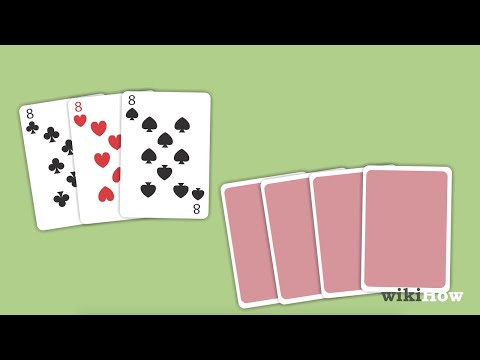
The desk’s view — Five Hundred Rum
Five Hundred Rum comes out of United States, early 20th century and sits in the rummy family. Five hundred rum, also called 500 rummy or pinochle rummy, is an American rummy in which melds score face values and play aims at a five hundred target. It is described in early 20th-century American rule books and became a standard home game.
The desk’s read: Rummy's family secret is that it is a game about information: every discard is a sentence your opponents get to read. In play: Each player receives seven cards and a discard pile is built face up in a spread. On a turn a player may take the top discard or any deeper discard with all cards above it, then meld and discard. It is a game for 2-8 players. On organised play the record is plain: No organised league circuit — played socially / in casinos. (Record: Wikipedia.)
Forty Thieves
Sport on Earth › Card Games › Forty Thieves
Card Games
Forty Thieves
Forty Thieves — a patience/solitaire-family card game from 19th-20th centuries (also called Napoleon at St Helena), typically for 1 player players.
History
Forty thieves is a demanding two-deck patience also known as Napoleon at St Helena, a name that fed the legend of Napoleon playing patience in exile. It is documented in patience books from the turn of the 20th century. Only about one deal in ten can be won under strict rules, which is the game’s reputation and appeal.
How to play
Forty cards are dealt face up in ten columns of four from two decks, with the rest as stock and a waste pile. Eight foundations build up in suit from ace to king. Columns build down in the same suit, one card at a time, and only the top card of each column is available. Stock cards are turned one at a time to the waste with no redeal. The game is won when all one hundred and four cards reach the foundations.
Leagues & organised play
No organised league circuit — played socially / in casinos
Video

The desk’s view — Forty Thieves
Forty Thieves comes out of 19th-20th centuries (also called Napoleon at St Helena) and sits in the patience/solitaire-family family. Forty thieves is a demanding two-deck patience also known as Napoleon at St Helena, a name that fed the legend of Napoleon playing patience in exile. It is documented in patience books from the turn of the 20th century.
The desk’s read: The patience family is the one branch of the canon played alone against the shuffle itself — the desk treats its literature as seriously as any duel's. In play: Forty cards are dealt face up in ten columns of four from two decks, with the rest as stock and a waste pile. Eight foundations build up in suit from ace to king. It is a game for 1 player. On organised play the record is plain: No organised league circuit — played socially / in casinos. (Record: Wikipedia.)
FreeCell
Sport on Earth › Card Games › FreeCell
Card Games
FreeCell
FreeCell — a patience/solitaire-family card game from United States, 1978 (created by Paul Alfille), typically for 1 player players.
History
Freecell was created by Paul Alfille in 1978 as a computer adaptation of the older patience games eight off and baker’s game. It was included in Microsoft Windows 95 and its thirty-two thousand numbered deals became a famous test set. Almost every freecell deal is solvable, which made it a game of pure information and planning.
How to play
All fifty-two cards are dealt face up into eight columns, with four free cells and four foundation piles beside them. Foundations build up in suit from ace to king. Columns build down in alternating colours, and free cells hold single cards temporarily to free buried cards. Only one card moves at a time, though sequences can be moved in one action when enough free spaces exist to allow it step by step. The game is won when all cards are home on the foundations.
Leagues & organised play
No organised league circuit — played socially / in casinos
Video

The desk’s view — FreeCell
FreeCell comes out of United States, 1978 (created by Paul Alfille) and sits in the patience/solitaire-family family. Freecell was created by Paul Alfille in 1978 as a computer adaptation of the older patience games eight off and baker's game. It was included in Microsoft Windows 95 and its thirty-two thousand numbered deals became a famous test set.
The desk’s read: The patience family is the one branch of the canon played alone against the shuffle itself — the desk treats its literature as seriously as any duel's. In play: All fifty-two cards are dealt face up into eight columns, with four free cells and four foundation piles beside them. Foundations build up in suit from ace to king. It is a game for 1 player. On organised play the record is plain: No organised league circuit — played socially / in casinos. (Record: Wikipedia.)
French Tarot
Sport on Earth › Card Games › French Tarot
Card Games
French Tarot
French Tarot — a trick-taking card game from France, modern rules 19th century (tarot games from 15th-century Italy), typically for 4 players (variants for 3-5) players.
History
Tarot games began in 15th-century Italy and reached France in the early 16th century during the Italian Wars. The modern French game rests on a 19th-century rule set from Bourgogne-Franche-Comte and revived strongly after the 1950s. The French Tarot Federation was formed in 1973 and the game became France’s second most popular card game after belote.
How to play
Players use a 78 card tarot pack and the four-player game deals eighteen cards each with a six card dog. After bidding, the taker takes the dog, discards six cards, and plays alone against the other three. Tricks must follow suit, trump if unable, and overtrump if able, with the excuse as a special card. The taker must reach a points target set by how many of the three oudlers are in the tricks won. Scores are settled from the contract multiplier and bonuses.
Leagues & organised play
Fédération Française de Tarot — Founded in 1973, the French Tarot Federation publishes the official rules and runs clubs, regional tournaments and national championships.
Video

The desk’s view — French Tarot
French Tarot comes out of France, modern rules 19th century (tarot games from 15th-century Italy) and sits in the trick-taking family. Tarot games began in 15th-century Italy and reached France in the early 16th century during the Italian Wars. The modern French game rests on a 19th-century rule set from Bourgogne-Franche-Comte and revived strongly after the 1950s.
The desk’s read: Trick-taking is the oldest competitive grammar in the card canon, and the desk holds its games to the standard the family set for itself centuries ago: follow suit, mind the trump, count what has gone. In play: Players use a 78 card tarot pack and the four-player game deals eighteen cards each with a six card dog. After bidding, the taker takes the dog, discards six cards, and plays alone against the other three. It is a game for 4 players (variants for 3-5). (Record: Wikipedia.)
Gin Rummy
Sport on Earth › Card Games › Gin Rummy
Card Games
Gin Rummy
Gin Rummy — a rummy card game from New York, United States, 1909, typically for 2 players players.
History
Gin rummy is credited to Elwood Baker, a Brooklyn whist teacher, in 1909, tidying up the cross between conquian and knock rummy. It became the fashionable American two-player game of the 1930s and the Hollywood craze of 1941 to 1946, played between takes on film sets. Its name plays on gin as the partner drink to rum.
How to play
Each player receives ten cards and turns alternate drawing from stock or discard pile and discarding one card. Cards form sets of the same rank and runs in one suit, and unmatched cards count as deadwood. A player may knock with ten or fewer deadwood points, go gin with none, or undercut the knocker for a bonus. The defender may lay off matching deadwood against the knocker’s melds unless gin was made. Hands score the deadwood difference and a match is played to an agreed total, often one hundred points.
Leagues & organised play
No organised league circuit — played socially / in casinos
Video

The desk’s view — Gin Rummy
Gin Rummy comes out of New York, United States, 1909 and sits in the rummy family. Gin rummy is credited to Elwood Baker, a Brooklyn whist teacher, in 1909, tidying up the cross between conquian and knock rummy. It became the fashionable American two-player game of the 1930s and the Hollywood craze of 1941 to 1946, played between takes on film sets.
The desk’s read: Rummy's family secret is that it is a game about information: every discard is a sentence your opponents get to read. In play: Each player receives ten cards and turns alternate drawing from stock or discard pile and discarding one card. Cards form sets of the same rank and runs in one suit, and unmatched cards count as deadwood. It is a game for 2 players. On organised play the record is plain: No organised league circuit — played socially / in casinos. (Record: David Parlett (parlettgames.uk).)
Go Fish
Sport on Earth › Card Games › Go Fish
Card Games
Go Fish
Go Fish — a children’s card game from United States, 19th century (documented), typically for 2-6 players players.
History
Go fish is an American asking and collecting game documented in the 19th century and a standard first card game for children. Books of four of a kind replace pairs as the collected set in the common form. In Britain the related game is often called happy families when played with a special pack.
How to play
Each player receives five to seven cards and the rest forms a face-down pond or stock. On a turn a player asks a named opponent for all cards of a rank the asker already holds. If the opponent has them they are handed over and the asker asks again, otherwise the opponent says go fish and the asker draws from the pond. Completed books of four are laid down at once. The player with the most books when all cards are collected wins.
Leagues & organised play
No organised league circuit — played socially / in casinos
Video

The desk’s view — Go Fish
Go Fish comes out of United States, 19th century (documented) and sits in the children's family. Go fish is an American asking and collecting game documented in the 19th century and a standard first card game for children. Books of four of a kind replace pairs as the collected set in the common form.
The desk’s read: The children's games in the canon are printed without condescension: simple rules, honestly recorded, and the first table most of us ever sat at. In play: Each player receives five to seven cards and the rest forms a face-down pond or stock. On a turn a player asks a named opponent for all cards of a rank the asker already holds. It is a game for 2-6 players. On organised play the record is plain: No organised league circuit — played socially / in casinos. (Record: Wikipedia.)
Go-Stop
Sport on Earth › Card Games › Go-Stop
Card Games
Go-Stop
Go-Stop — a fishing card game from South Korea, 1960s (from Japanese Koi-Koi), typically for 2-3 players (4 with a dead hand) players.
History
Go-stop is the Korean hwatu game that appeared in the 1960s and became hugely popular in South Korea from the 1970s. It is closely related to Japanese koi-koi, with accounts differing on which game borrowed from which in their modern rules. Hwatu at Lunar New Year and Chuseok family gatherings is a long-standing Korean tradition.
How to play
Each player receives ten cards with two players or seven with three, and eight cards start face up on the table. Turns match a hand card by month to the table and then match a card turned from the draw pile, collecting matched cards. Bright, ribbon, animal and junk cards form scoring sets, and reaching three points allows a choice. The player may call stop and collect the score, or go to play on for multiplied points at greater risk. Scores, doublings and penalties settle the hand and the match follows agreed limits.
Leagues & organised play
No organised league circuit — played socially / in casinos
Video

The desk’s view — Go-Stop
Go-Stop comes out of South Korea, 1960s (from Japanese Koi-Koi) and sits in the fishing family. Go-stop is the Korean hwatu game that appeared in the 1960s and became hugely popular in South Korea from the 1970s. It is closely related to Japanese koi-koi, with accounts differing on which game borrowed from which in their modern rules.
The desk’s read: Fishing games are the table-top's quiet strategists: the layout is public, the memory is the skill, and the sweep, when it comes, feels earned. In play: Each player receives ten cards with two players or seven with three, and eight cards start face up on the table. Turns match a hand card by month to the table and then match a card turned from the draw pile, collecting matched cards. It is a game for 2-3 players (4 with a dead hand). On organised play the record is plain: No organised league circuit — played socially / in casinos. (Record: Wikipedia.)
Golf
Sport on Earth › Card Games › Golf
Card Games
Golf
Golf — a patience/solitaire-family card game from 20th century (documented in patience collections), typically for 1 player players.
History
Golf is a brisk patience documented in 20th-century patience collections and named for clearing the course of its thirty-five dealt cards. It plays in a few minutes and depends on planning the order of a run of cards. Easier forms allow wrapping from king to ace or building on both sides of the waste.
How to play
Thirty-five cards are dealt face up in seven columns of five, with sixteen cards as stock and one card starting the waste. A top column card one rank higher or lower than the waste card, regardless of suit, may be played onto it. No play may be made on a king in the strict game, which blocks the run until a new stock card is turned. Stock cards are turned one at a time when play is stuck. The game is won, a hole in one in spirit, by clearing all thirty-five cards, and otherwise scored by cards remaining.
Leagues & organised play
No organised league circuit — played socially / in casinos
Video
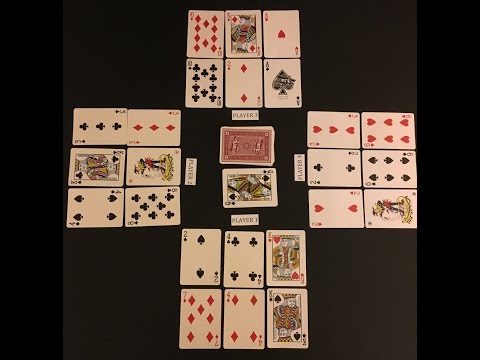
The desk’s view — Golf
Golf comes out of 20th century (documented in patience collections) and sits in the patience/solitaire-family family. Golf is a brisk patience documented in 20th-century patience collections and named for clearing the course of its thirty-five dealt cards. It plays in a few minutes and depends on planning the order of a run of cards.
The desk’s read: The patience family is the one branch of the canon played alone against the shuffle itself — the desk treats its literature as seriously as any duel's. In play: Thirty-five cards are dealt face up in seven columns of five, with sixteen cards as stock and one card starting the waste. It is a game for 1 player. On organised play the record is plain: No organised league circuit — played socially / in casinos. (Record: Wikipedia.)
Hachi-Hachi
Sport on Earth › Card Games › Hachi-Hachi
Card Games
Hachi-Hachi
Hachi-Hachi — a matching & collecting card game from Japan, 19th-20th centuries, typically for 3 players (forms for more) players.
History
Hachi-hachi, meaning eighty-eight, is a leading Japanese hanafuda game for three active players that became a national standard form in the 1890s. It was the prestige gambling game played with flower cards in Japan before koi-koi spread. Its scoring of field combinations and month bonuses gives it more weight than the two-player game.
How to play
Three active players receive seven cards each in the standard form, with cards laid on the field and a draw pile for the turn structure. As in other hanafuda games, a turn matches a hand card by month to the field and then matches a drawn card. Collected cards are scored by their card types and by special month combinations and field sets specific to hachi-hachi. Players who cannot or do not compete in a hand sit out under the game’s participation rules. Points are settled after each hand and the highest total after the set session wins.
Leagues & organised play
No organised league circuit — played socially / in casinos
Video
No verified video yet.
The site lists a video only when it has been probed playable (YouTube oEmbed) and identity-checked against the game; none has passed both checks for Hachi-Hachi yet.
The desk’s view — Hachi-Hachi
Hachi-Hachi comes out of Japan, 19th-20th centuries and sits in the matching & collecting family. Hachi-hachi, meaning eighty-eight, is a leading Japanese hanafuda game for three active players that became a national standard form in the 1890s. It was the prestige gambling game played with flower cards in Japan before koi-koi spread.
The desk’s read: The matching and collecting games are where most players first learn a deck — the desk keeps them with the same care as the grand games, because the canon starts here too. In play: Three active players receive seven cards each in the standard form, with cards laid on the field and a draw pile for the turn structure. It is a game for 3 players (forms for more). On organised play the record is plain: No organised league circuit — played socially / in casinos. (Record: Wikipedia.)
Hand and Foot
Sport on Earth › Card Games › Hand and Foot
Card Games
Hand and Foot
Hand and Foot — a rummy card game from United States, 1950s-1970s (from Canasta), typically for 4 players in 2 partnerships (variants for 2-6) players.
History
Hand and foot is a North American canasta relative that developed in the United States in the decades after the canasta craze. It takes its name from the two eleven-card holdings each player receives, the hand and the foot. It became a durable club and family game, especially in American retirement and community circles.
How to play
Each player receives an eleven card hand and an eleven card foot set face down, and play uses five or six decks with jokers. Turns are draw two cards, meld rank sets for the partnership and discard one card. When a player melds out of the hand, the foot is picked up and played next. Clean and dirty books of seven cards score bonuses, with clean books worth more. A partnership may go out only after completing the required books, and scores accumulate over a set number of rounds.
Leagues & organised play
No organised league circuit — played socially / in casinos
Video

The desk’s view — Hand and Foot
Hand and Foot comes out of United States, 1950s-1970s (from Canasta) and sits in the rummy family. Hand and foot is a North American canasta relative that developed in the United States in the decades after the canasta craze. It takes its name from the two eleven-card holdings each player receives, the hand and the foot.
The desk’s read: Rummy's family secret is that it is a game about information: every discard is a sentence your opponents get to read. In play: Each player receives an eleven card hand and an eleven card foot set face down, and play uses five or six decks with jokers. It is a game for 4 players in 2 partnerships (variants for 2-6). On organised play the record is plain: No organised league circuit — played socially / in casinos. (Record: Wikipedia.)
Hearts
Sport on Earth › Card Games › Hearts
Card Games
Hearts
Hearts — a trick-taking card game from United States, 1880s (from Spanish Reversis, c.1750), typically for 4 players (variants for 3-6) players.
History
Hearts probably descends from the Spanish avoidance game Reversis, popular around 1750. It was first recorded in the United States in the 1880s, and the Black Lady form added the queen of spades as a major penalty card in 1909. Shooting the moon appeared in British play in the late 1930s and the passing game became the modern standard.
How to play
Each player receives 13 cards and passes three cards to another player before play. The holder of the two of clubs leads, and players must follow suit if they can, with hearts not led until broken. Each heart taken in a trick scores one penalty point and the queen of spades scores thirteen. A player who takes all penalty cards shoots the moon and scores zero while others score twenty-six. When someone passes one hundred points the lowest score wins.
Leagues & organised play
No organised league circuit — played socially / in casinos
Video
The desk’s view — Hearts
Hearts comes out of United States, 1880s (from Spanish Reversis, c.1750) and sits in the trick-taking family. Hearts probably descends from the Spanish avoidance game Reversis, popular around 1750. It was first recorded in the United States in the 1880s, and the Black Lady form added the queen of spades as a major penalty card in 1909.
The desk’s read: Trick-taking is the oldest competitive grammar in the card canon, and the desk holds its games to the standard the family set for itself centuries ago: follow suit, mind the trump, count what has gone. In play: Each player receives 13 cards and passes three cards to another player before play. The holder of the two of clubs leads, and players must follow suit if they can, with hearts not led until broken. It is a game for 4 players (variants for 3-6). On organised play the record is plain: No organised league circuit — played socially / in casinos. (Record: Wikipedia.)
Hokm
Sport on Earth › Card Games › Hokm
Card Games
Hokm
Hokm — a trick-taking card game from Iran / Persia, 19th-20th centuries, typically for 4 players in 2 partnerships players.
History
Hokm, meaning rule or ruling in Persian, is Iran’s best known partnership trick game and is widely played across the Iranian diaspora. It is usually linked to the wider whist family carried into Persia and reshaped locally. The hakem, the player who rules trump, is the centre of the game.
How to play
The hakem is chosen by drawing cards and receives the first five cards, from which trump, the hokm, is named. Each player eventually receives thirteen cards in batches. Tricks must follow suit if possible and the highest trump or card of the suit led wins. A side that takes seven tricks wins the hand, and taking all seven scores double as hokm-koti in many forms. First partnership to seven hands wins the match.
Leagues & organised play
No organised league circuit — played socially / in casinos
Video

The desk’s view — Hokm
Hokm comes out of Iran / Persia, 19th-20th centuries and sits in the trick-taking family. Hokm, meaning rule or ruling in Persian, is Iran's best known partnership trick game and is widely played across the Iranian diaspora. It is usually linked to the wider whist family carried into Persia and reshaped locally.
The desk’s read: Trick-taking is the oldest competitive grammar in the card canon, and the desk holds its games to the standard the family set for itself centuries ago: follow suit, mind the trump, count what has gone. In play: The hakem is chosen by drawing cards and receives the first five cards, from which trump, the hokm, is named. Each player eventually receives thirteen cards in batches. It is a game for 4 players in 2 partnerships. On organised play the record is plain: No organised league circuit — played socially / in casinos. (Record: Wikipedia.)
Hungarian Tarock
Sport on Earth › Card Games › Hungarian Tarock
Card Games
Hungarian Tarock
Hungarian Tarock — a trick-taking card game from Hungary, 19th century, typically for 4 players players.
History
Hungarian Tarock, often called Paskievics tarock after a 19th-century description, is the Hungarian member of the tarock family. It developed as the 78 card game was reduced to a 42 card pack suited to four players. It remains the classic serious card game of Hungarian clubs, distinct from the simpler ulti.
How to play
Each player receives nine cards with two three-card talons. The highest bidder becomes declarer, calls a tarock partner card or plays solo under the contract, and exchanges with a talon. Announcements such as trull, four kings and pagat ultimo add bonus aims to the trick play. Tricks follow suit or trump in the permanent tarock suit. The declaring side must take more than half the card points plus any announced bonuses it claims.
Leagues & organised play
No organised league circuit — played socially / in casinos
Video

The desk’s view — Hungarian Tarock
Hungarian Tarock comes out of Hungary, 19th century and sits in the trick-taking family. Hungarian Tarock, often called Paskievics tarock after a 19th-century description, is the Hungarian member of the tarock family. It developed as the 78 card game was reduced to a 42 card pack suited to four players.
The desk’s read: Trick-taking is the oldest competitive grammar in the card canon, and the desk holds its games to the standard the family set for itself centuries ago: follow suit, mind the trump, count what has gone. In play: Each player receives nine cards with two three-card talons. The highest bidder becomes declarer, calls a tarock partner card or plays solo under the contract, and exchanges with a talon. It is a game for 4 players. On organised play the record is plain: No organised league circuit — played socially / in casinos. (Record: Wikipedia / Pagat.com.)
Indian Rummy
Sport on Earth › Card Games › Indian Rummy
Card Games
Indian Rummy
Indian Rummy — a rummy card game from India, 20th century, typically for 2-6 players players.
History
Indian rummy is the thirteen-card form of rummy that became India’s dominant card game in the 20th century, played at festivals, in clubs and now widely online. It is usually linked to the wider rummy family reaching India through gin and local melding games. Indian courts have treated rummy as a game of skill in rulings that shaped its club and tournament play.
How to play
Each player receives thirteen cards, with one or two decks plus jokers, and a wild card rank is turned. A valid declaration needs at least two sequences, one of them a pure sequence without a joker, with remaining cards in sets or sequences. Turns are draw from stock or discard pile and discard one card. A player declares by discarding to the finish slot and showing a valid arrangement. Points are scored from opponents’ unmelded cards, capped per hand, and the lowest total or last surviving player wins the pool game.
Leagues & organised play
No organised league circuit — played socially / in casinos
Video

The desk’s view — Indian Rummy
Indian Rummy comes out of India, 20th century and sits in the rummy family. Indian rummy is the thirteen-card form of rummy that became India's dominant card game in the 20th century, played at festivals, in clubs and now widely online. It is usually linked to the wider rummy family reaching India through gin and local melding games.
The desk’s read: Rummy's family secret is that it is a game about information: every discard is a sentence your opponents get to read. In play: Each player receives thirteen cards, with one or two decks plus jokers, and a wild card rank is turned. A valid declaration needs at least two sequences, one of them a pure sequence without a joker, with remaining cards in sets or sequences. It is a game for 2-6 players. On organised play the record is plain: No organised league circuit — played socially / in casinos. (Record: Wikipedia.)
Jass
Sport on Earth › Card Games › Jass
Card Games
Jass
Jass — a trick-taking card game from Switzerland (of Dutch origin), 18th-19th centuries, typically for 4 players in 2 partnerships (many forms for 2-6) players.
History
Jass games originated in the Netherlands and reached Switzerland in the 18th century, where they became the dominant card games of the country. Swiss cards are called Jass cards and the verb jassen simply means playing with them. Schieber, the partnership form, is regarded as Switzerland’s national game.
How to play
In schieber each player receives nine cards from a 36 card pack and the forehand side chooses trump or pushes the choice to partner. The trump jack, called buur, and trump nine, called nell, rank as the two highest trumps. Tricks follow suit where possible and declarations called weis score for sequences and sets. Card points, weis and the last trick are totalled for each side. First partnership to the agreed total, commonly one thousand or twenty-five hundred, wins.
Leagues & organised play
No organised league circuit — played socially / in casinos
Video

The desk’s view — Jass
Jass comes out of Switzerland (of Dutch origin), 18th-19th centuries and sits in the trick-taking family. Jass games originated in the Netherlands and reached Switzerland in the 18th century, where they became the dominant card games of the country. Swiss cards are called Jass cards and the verb jassen simply means playing with them.
The desk’s read: Trick-taking is the oldest competitive grammar in the card canon, and the desk holds its games to the standard the family set for itself centuries ago: follow suit, mind the trump, count what has gone. In play: In schieber each player receives nine cards from a 36 card pack and the forehand side chooses trump or pushes the choice to partner. It is a game for 4 players in 2 partnerships (many forms for 2-6). On organised play the record is plain: No organised league circuit — played socially / in casinos. (Record: Wikipedia / Pagat.com.)
Kalooki
Sport on Earth › Card Games › Kalooki
Card Games
Kalooki
Kalooki — a rummy card game from Jamaica / Britain, 20th century, typically for 2-6 players players.
History
Kalooki is a contract form of rummy that became the national social game of Jamaica and is also strongly established in Britain. It belongs to the family of rummy games carried around the Caribbean and back to Britain by Jamaican communities. Its series of contracts with rising meld requirements gives it a campaign structure unusual in rummy.
How to play
Players play a series of deals, each with a set contract of sets and runs that must be laid down together as a first meld. Each turn is draw, meld or lay off where allowed, and discard, with jokers wild in most forms. A player who goes out scores the value of cards left in every opponent’s hand. Going out without having melded, called a kalooki, scores double in many forms. The highest total after the full set of contracts wins.
Leagues & organised play
No organised league circuit — played socially / in casinos
Video

The desk’s view — Kalooki
Kalooki comes out of Jamaica / Britain, 20th century and sits in the rummy family. Kalooki is a contract form of rummy that became the national social game of Jamaica and is also strongly established in Britain. It belongs to the family of rummy games carried around the Caribbean and back to Britain by Jamaican communities.
The desk’s read: Rummy's family secret is that it is a game about information: every discard is a sentence your opponents get to read. In play: Players play a series of deals, each with a set contract of sets and runs that must be laid down together as a first meld. It is a game for 2-6 players. On organised play the record is plain: No organised league circuit — played socially / in casinos. (Record: Wikipedia / Pagat.com.)
Klaverjas
Sport on Earth › Card Games › Klaverjas
Card Games
Klaverjas
Klaverjas — a trick-taking card game from Netherlands, early 20th century (from older Jass games), typically for 4 players in 2 partnerships players.
History
Klaverjas is the Dutch national form of the jass family, regularised in the early 20th century from older Dutch games such as klaverjassen. It spread through the Netherlands and to South Africa, Suriname and Dutch communities abroad. Rotterdam and Amsterdam rules differ chiefly on when a player must trump.
How to play
Each player receives eight cards from a 32 card pack and a trump suit is chosen by bidding or by turning a card, depending on the form. The trump jack and trump nine are the highest trumps, and players must follow suit and in stricter rules overtake or trump. Sequences and sets declared as roem add bonus points to tricks. The declaring side must score more than half the total of trick and roem points or loses everything to the opponents. First partnership to the agreed total wins.
Leagues & organised play
No organised league circuit — played socially / in casinos
Video
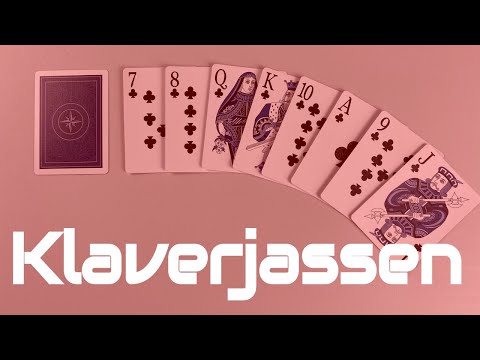
The desk’s view — Klaverjas
Klaverjas comes out of Netherlands, early 20th century (from older Jass games) and sits in the trick-taking family. Klaverjas is the Dutch national form of the jass family, regularised in the early 20th century from older Dutch games such as klaverjassen. It spread through the Netherlands and to South Africa, Suriname and Dutch communities abroad.
The desk’s read: Trick-taking is the oldest competitive grammar in the card canon, and the desk holds its games to the standard the family set for itself centuries ago: follow suit, mind the trump, count what has gone. In play: Each player receives eight cards from a 32 card pack and a trump suit is chosen by bidding or by turning a card, depending on the form. It is a game for 4 players in 2 partnerships. On organised play the record is plain: No organised league circuit — played socially / in casinos. (Record: Wikipedia.)
Klondike
Sport on Earth › Card Games › Klondike
Card Games
Klondike
Klondike — a patience/solitaire-family card game from Canada / United States, late 19th century (Klondike gold rush era), typically for 1 player players.
History
Klondike is the patience game most people simply call solitaire, associated by tradition with prospectors of the Klondike gold rush of the late 1890s. It was described in early patience collections and became the standard American patience. Microsoft’s inclusion of Klondike in Windows 3.0 in 1990 made it probably the most played computer game of its era.
How to play
Seven tableau piles are dealt with one more face-up card on each pile than the last, and the rest forms a stock. Foundations are built up in suit from ace to king. Tableau cards are built down in alternating colours, and sequences can be moved together, with only a king filling an empty space. Stock cards are turned one or three at a time to a waste pile whose top card is playable. The game is won when all cards reach the foundations.
Leagues & organised play
No organised league circuit — played socially / in casinos
Video

The desk’s view — Klondike
Klondike comes out of Canada / United States, late 19th century (Klondike gold rush era) and sits in the patience/solitaire-family family. Klondike is the patience game most people simply call solitaire, associated by tradition with prospectors of the Klondike gold rush of the late 1890s. It was described in early patience collections and became the standard American patience.
The desk’s read: The patience family is the one branch of the canon played alone against the shuffle itself — the desk treats its literature as seriously as any duel's. In play: Seven tableau piles are dealt with one more face-up card on each pile than the last, and the rest forms a stock. Foundations are built up in suit from ace to king. It is a game for 1 player. On organised play the record is plain: No organised league circuit — played socially / in casinos. (Record: Wikipedia.)
Koi-Koi
Sport on Earth › Card Games › Koi-Koi
Card Games
Koi-Koi
Koi-Koi — a matching & collecting card game from Japan, 20th century (widely known c.1950), typically for 2 players players.
History
Koi-koi is played with hanafuda, the Japanese flower cards that developed from Portuguese cards brought to Japan in the 16th century. The game itself is much younger, becoming widely known around 1950 with rules first printed in a book in 1958. Nintendo, founded in 1889 to make hanafuda, still calls it the most famous way to play the cards.
How to play
Each player receives eight cards and eight cards start face up on the field, with the rest as a draw pile. On a turn a player matches a hand card to a field card of the same month, then turns a draw card and matches again if possible, collecting all matched cards. Collected cards form scoring combinations called yaku, such as sets of bright, animal, ribbon or plain cards. On completing a yaku a player may stop and score, or call koi-koi to play on for more points at the risk of the opponent scoring. The higher score after the agreed rounds wins.
Leagues & organised play
No organised league circuit — played socially / in casinos
Video

The desk’s view — Koi-Koi
Koi-Koi comes out of Japan, 20th century (widely known c.1950) and sits in the matching & collecting family. Koi-koi is played with hanafuda, the Japanese flower cards that developed from Portuguese cards brought to Japan in the 16th century. The game itself is much younger, becoming widely known around 1950 with rules first printed in a book in 1958.
The desk’s read: The matching and collecting games are where most players first learn a deck — the desk keeps them with the same care as the grand games, because the canon starts here too. In play: Each player receives eight cards and eight cards start face up on the field, with the rest as a draw pile. On a turn a player matches a hand card to a field card of the same month, then turns a draw card and matches again if possible, collecting all matched cards. It is a game for 2 players. On organised play the record is plain: No organised league circuit — played socially / in casinos. (Record: Wikipedia / Nintendo hanafuda histories.)
Königrufen
Sport on Earth › Card Games › Königrufen
Card Games
Königrufen
Königrufen — a trick-taking card game from Austria, 19th century, typically for 4 players players.
History
Konigrufen, meaning king-calling, is the leading Austrian tarock game and grew out of the tarock tradition that spread across the Habsburg lands. It took its modern shape in the 19th century as older tarock games simplified their packs and contracts. It remains widely played in Austria and in international tarock meetings with neighbouring countries.
How to play
Players use a 54 card tarock pack and receive twelve cards each with two talons of three cards. The declarer bids a contract and in the normal game calls a king, whose holder secretly becomes the partner. The declarer may exchange with a talon half, then tricks are played following suit or trumping. Card points in tricks, plus announced bonuses for special tarock holdings, decide the contract. The declaring side must take more than half the card points to win.
Leagues & organised play
No organised league circuit — played socially / in casinos
Video

The desk’s view — Königrufen
Königrufen comes out of Austria, 19th century and sits in the trick-taking family. Konigrufen, meaning king-calling, is the leading Austrian tarock game and grew out of the tarock tradition that spread across the Habsburg lands. It took its modern shape in the 19th century as older tarock games simplified their packs and contracts.
The desk’s read: Trick-taking is the oldest competitive grammar in the card canon, and the desk holds its games to the standard the family set for itself centuries ago: follow suit, mind the trump, count what has gone. In play: Players use a 54 card tarock pack and receive twelve cards each with two talons of three cards. The declarer bids a contract and in the normal game calls a king, whose holder secretly becomes the partner. It is a game for 4 players. On organised play the record is plain: No organised league circuit — played socially / in casinos. (Record: Wikipedia / Pagat.com.)