Sport on Earth › Card Games › Pack 2 of 3
Card Games — Pack 2 of 3
Packed edition (consolidation Nov 15, 2026): 60 entries on this page, each under its own heading — open a heading to read it. Packs: Pack 1 · Pack 2 · Pack 3.
Lansquenet
Sport on Earth › Card Games › Lansquenet
Card Games
Lansquenet
Lansquenet — a banking & casino card game from Germany / France, 17th century (from Landsknecht mercenaries), typically for Many bettors against a banker players.
History
Lansquenet takes its name from the German landsknecht mercenaries among whom it was a camp gambling game. It was described in France in the 17th century and became a fashionable banking game at European courts. Pushkin gave it a famous literary scene in The Queen of Spades, reflecting its standing in Russian society.
How to play
The banker deals two cards to form hands and a card for the banker, turning cards until a match settles each hand. Bettors stake on whether cards dealt to a hand will match its first card before matching the banker’s card. Matching cards end the hand and settle all bets on it. The banker wins ties in the bank’s favour under the traditional settlement. Play continues with new hands until the bank is taken or given up.
Leagues & organised play
No organised league circuit — played socially / in casinos
Video
No verified video yet.
The site lists a video only when it has been probed playable (YouTube oEmbed) and identity-checked against the game; none has passed both checks for Lansquenet yet.
The desk’s view — Lansquenet
Lansquenet comes out of Germany / France, 17th century (from Landsknecht mercenaries) and sits in the banking & casino family. Lansquenet takes its name from the German landsknecht mercenaries among whom it was a camp gambling game. It was described in France in the 17th century and became a fashionable banking game at European courts.
The desk’s read: The banking games are kept here as history and rules record — the desk documents them the way it documents any game with a long published past. In play: The banker deals two cards to form hands and a card for the banker, turning cards until a match settles each hand. Bettors stake on whether cards dealt to a hand will match its first card before matching the banker's card. It is a game for Many bettors against a banker. On organised play the record is plain: No organised league circuit — played socially / in casinos. (Record: Wikipedia.)
Liverpool Rummy
Sport on Earth › Card Games › Liverpool Rummy
Card Games
Liverpool Rummy
Liverpool Rummy — a rummy card game from United States, early 20th century, typically for 4-6 players (up to 8) players.
History
Liverpool rummy is an American contract rummy played since the early 20th century in a ladder of deals with rising requirements. It is a close relative of contract rummy and shares its structure of buys, where a player may take an unwanted discard out of turn. The name’s link to Liverpool, England is traditional rather than documented.
How to play
The game runs through seven deals with contracts such as two sets, then a set and a run, rising to three runs. Each turn is draw, meld if the contract can be met in full, lay off after melding, and discard. A player who wants a discard out of turn may buy it with an extra stock card if the player in turn does not take it. A round ends when a player goes out and others score the cards left in hand. The lowest total after all contracts wins.
Leagues & organised play
No organised league circuit — played socially / in casinos
Video

The desk’s view — Liverpool Rummy
Liverpool Rummy comes out of United States, early 20th century and sits in the rummy family. Liverpool rummy is an American contract rummy played since the early 20th century in a ladder of deals with rising requirements. It is a close relative of contract rummy and shares its structure of buys, where a player may take an unwanted discard out of turn.
The desk’s read: Rummy's family secret is that it is a game about information: every discard is a sentence your opponents get to read. In play: The game runs through seven deals with contracts such as two sets, then a set and a run, rising to three runs. Each turn is draw, meld if the contract can be met in full, lay off after melding, and discard. It is a game for 4-6 players (up to 8). On organised play the record is plain: No organised league circuit — played socially / in casinos. (Record: Wikipedia.)
Loo
Sport on Earth › Card Games › Loo
Card Games
Loo
Loo — a trick-taking card game from England, 17th century, typically for 3-8 players players.
History
Loo, short for lanterloo from French lanturlu, was described in England in the 17th century and became a popular round gambling game. Unlimited loo could ruin players quickly and was a byword for reckless play in 18th-century literature. Its pam, the jack of clubs, and its pool payments survive in later round games.
How to play
Each player receives three or five cards depending on the form, with a trump card turned and a pool built from stakes. Players may exchange, stay in or fold before tricks are played. Those who stay play tricks following suit, with the jack of clubs as pam ranking above all in five-card loo. Each trick won earns a third or fifth of the pool. A player who stays and wins no trick is looted and pays into the next pool.
Leagues & organised play
No organised league circuit — played socially / in casinos
Video
No verified video yet.
The site lists a video only when it has been probed playable (YouTube oEmbed) and identity-checked against the game; none has passed both checks for Loo yet.
The desk’s view — Loo
Loo comes out of England, 17th century and sits in the trick-taking family. Loo, short for lanterloo from French lanturlu, was described in England in the 17th century and became a popular round gambling game. Unlimited loo could ruin players quickly and was a byword for reckless play in 18th-century literature.
The desk’s read: Trick-taking is the oldest competitive grammar in the card canon, and the desk holds its games to the standard the family set for itself centuries ago: follow suit, mind the trump, count what has gone. In play: Each player receives three or five cards depending on the form, with a trump card turned and a pool built from stakes. Players may exchange, stay in or fold before tricks are played. It is a game for 3-8 players. On organised play the record is plain: No organised league circuit — played socially / in casinos. (Record: Wikipedia.)
Manille
Sport on Earth › Card Games › Manille
Card Games
Manille
Manille — a trick-taking card game from France, 19th century, typically for 4 players in 2 partnerships (also 2 or 3) players.
History
Manille takes its name from the Spanish and Catalan malilla, the nine that is its highest card. It spread across France in the early 20th century and was France’s national card game from about 1870 to 1940. Belote then overtook it, but manille remains popular in northern and south-western France and in Flanders.
How to play
Each player receives eight cards from a 32 card pack and trump is fixed by a turned card or chosen under local rules. The nine, called manille, and the ace, called manillon, head each suit. Players must follow suit and head the trick if they can. Tricks score card points, with manilles and aces worth most. The side first reaching the set total over a series of deals wins.
Leagues & organised play
No organised league circuit — played socially / in casinos
Video

The desk’s view — Manille
Manille comes out of France, 19th century and sits in the trick-taking family. Manille takes its name from the Spanish and Catalan malilla, the nine that is its highest card. It spread across France in the early 20th century and was France's national card game from about 1870 to 1940.
The desk’s read: Trick-taking is the oldest competitive grammar in the card canon, and the desk holds its games to the standard the family set for itself centuries ago: follow suit, mind the trump, count what has gone. In play: Each player receives eight cards from a 32 card pack and trump is fixed by a turned card or chosen under local rules. The nine, called manille, and the ace, called manillon, head each suit. It is a game for 4 players in 2 partnerships (also 2 or 3). On organised play the record is plain: No organised league circuit — played socially / in casinos. (Record: Pagat.com.)
Mau Mau
Sport on Earth › Card Games › Mau Mau
Card Games
Mau Mau
Mau Mau — a shedding card game from Germany, early-mid 20th century, typically for 2-6 players players.
History
Mau mau is the German member of the eights shedding family, spread across Europe after the Second World War. It is closely related to crazy eights and to the Dutch pesten and Polish makao. The call of mau when one card remains gives the game its name and its best known moment.
How to play
Players receive five or six cards and a card starts the discard pile. On a turn a player matches the top card by suit or value, with jacks acting as wish cards that name the next suit in the German game. Sevens make the next player draw two and eights skip a turn in the common rules. A player with one card left must call mau, and forgetting costs extra cards. The first player to play the last card, calling mau mau, wins the round.
Leagues & organised play
No organised league circuit — played socially / in casinos
Video

The desk’s view — Mau Mau
Mau Mau comes out of Germany, early-mid 20th century and sits in the shedding family. Mau mau is the German member of the eights shedding family, spread across Europe after the Second World War. It is closely related to crazy eights and to the Dutch pesten and Polish makao.
The desk’s read: Shedding games invert the usual ambition: the hand you want is no hand at all, and every card kept is a small failure of nerve or luck. In play: Players receive five or six cards and a card starts the discard pile. On a turn a player matches the top card by suit or value, with jacks acting as wish cards that name the next suit in the German game. It is a game for 2-6 players. On organised play the record is plain: No organised league circuit — played socially / in casinos. (Record: Wikipedia.)
Monte Bank
Sport on Earth › Card Games › Monte Bank
Card Games
Monte Bank
Monte Bank — a banking & casino card game from Mexico / Spain, 19th century form, typically for Many bettors against the bank players.
History
Monte bank, or Spanish monte, is a banking game that became notorious in Mexico and the American south-west in the 19th century. It was a standard game of frontier gambling halls alongside faro. Its simple layout and the dealer’s control of the monte made it a favourite of sharpers in western lore.
How to play
Bettors stake on cards laid out from the bottom and top of the pack in small monte layouts. The banker turns the pack and deals a gate card that decides which layout bets win. Bets on the layout matching the gate’s suit or position are paid, and others are taken by the bank. Layouts are replenished and betting repeats each turn. The bank settles all bets and play continues while bettors keep staking.
Leagues & organised play
No organised league circuit — played socially / in casinos
Video

The desk’s view — Monte Bank
Monte Bank comes out of Mexico / Spain, 19th century form and sits in the banking & casino family. Monte bank, or Spanish monte, is a banking game that became notorious in Mexico and the American south-west in the 19th century. It was a standard game of frontier gambling halls alongside faro.
The desk’s read: The banking games are kept here as history and rules record — the desk documents them the way it documents any game with a long published past. In play: Bettors stake on cards laid out from the bottom and top of the pack in small monte layouts. The banker turns the pack and deals a gate card that decides which layout bets win. It is a game for Many bettors against the bank. On organised play the record is plain: No organised league circuit — played socially / in casinos. (Record: Wikipedia.)
Mus
Sport on Earth › Card Games › Mus
Card Games
Mus
Mus — a poker & vying card game from Basque Country, Spain, first referenced 1745, typically for 4 players in 2 partnerships players.
History
Mus is a vying game most probably from the Basque Country, first referenced in a Basque dictionary of 1745. It became one of Spain’s most loved partnership games and travelled with Basque emigrants across the Americas. Basque communities worldwide hold national qualifiers for an annual World Mus Championship, now in its fifth decade of editions.
How to play
Each partnership receives four cards from a 40 card Spanish pack and may call mus to discard and redraw, or cut off the exchange. Four betting rounds follow in fixed order for grande, chica, pares and juego or punto, covering high cards, low cards, pairs and point totals. Partners communicate by a regulated code of facial signals, the senas. Each round is settled by showdown or by an uncalled bet, scoring stones called amarrakos. First partnership to the agreed number of stones, commonly thirty or forty, wins.
Leagues & organised play
World Mus Championship of Basque Collectivities — Basque federations run national qualifiers and an annual World Mus Championship bringing together teams from around thirteen countries.
Video

The desk’s view — Mus
Mus comes out of Basque Country, Spain, first referenced 1745 and sits in the poker & vying family. Mus is a vying game most probably from the Basque Country, first referenced in a Basque dictionary of 1745. It became one of Spain's most loved partnership games and travelled with Basque emigrants across the Americas.
The desk’s read: The vying games are the canon of the raised eyebrow — the desk covers them as games of record and history, and prints their rules tradition the way it prints any other sport's. In play: Each partnership receives four cards from a 40 card Spanish pack and may call mus to discard and redraw, or cut off the exchange. It is a game for 4 players in 2 partnerships. (Record: Wikipedia.)
Napoleon
Sport on Earth › Card Games › Napoleon
Card Games
Napoleon
Napoleon — a trick-taking card game from England, 19th century, typically for 5 players (variants for 3-7) players.
History
Napoleon, usually shortened to nap, is an English five-trick bidding game that rose with soldiers in the 19th century. It is a simplified relative of euchre in which the boldest bidder plays alone. Nap became a popular pub and family game in Britain and across the Commonwealth.
How to play
Each player receives five cards and players bid from two tricks up to napoleon, winning all five. The highest bidder names trump by leading and plays against all the others combined. Tricks follow suit if possible and the highest trump or card of the suit led wins. The bidder scores according to the bid if successful and loses the same value if beaten. Wellington and blucher bids raise the stakes above nap in extended forms.
Leagues & organised play
No organised league circuit — played socially / in casinos
Video
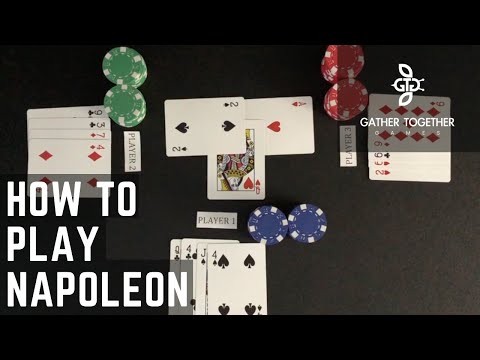
The desk’s view — Napoleon
Napoleon comes out of England, 19th century and sits in the trick-taking family. Napoleon, usually shortened to nap, is an English five-trick bidding game that rose with soldiers in the 19th century. It is a simplified relative of euchre in which the boldest bidder plays alone.
The desk’s read: Trick-taking is the oldest competitive grammar in the card canon, and the desk holds its games to the standard the family set for itself centuries ago: follow suit, mind the trump, count what has gone. In play: Each player receives five cards and players bid from two tricks up to napoleon, winning all five. The highest bidder names trump by leading and plays against all the others combined. It is a game for 5 players (variants for 3-7). On organised play the record is plain: No organised league circuit — played socially / in casinos. (Record: Wikipedia.)
Noddy
Sport on Earth › Card Games › Noddy
Card Games
Noddy
Noddy — a other documented card game from England, 16th century, typically for 2-4 players players.
History
Noddy is an English scoring game documented in the 16th century and the recognised ancestor of cribbage. It was a tavern game of combinations played to fifteen and thirty-one long before pegging boards were added. Cribbage kept its fifteen, pair and run scoring and the jack called his nob from noddy.
How to play
Players receive a small hand, commonly three cards in later descriptions, with a card turned for trump and scoring combinations declared. Points are scored for fifteens, pairs, pairs royal, runs and flushes, and for the jack of trump. Cards are then played out toward totals of fifteen and thirty-one, scoring as they fall. Each point is recorded on a board or by counters in the traditional forms. First player to the target, commonly thirty-one or sixty-one in later forms, wins.
Leagues & organised play
No organised league circuit — played socially / in casinos
Video
No verified video yet.
The site lists a video only when it has been probed playable (YouTube oEmbed) and identity-checked against the game; none has passed both checks for Noddy yet.
The desk’s view — Noddy
Noddy comes out of England, 16th century and sits in the other documented family. Noddy is an English scoring game documented in the 16th century and the recognised ancestor of cribbage. It was a tavern game of combinations played to fifteen and thirty-one long before pegging boards were added.
The desk’s read: Some documented games refuse the family boxes; the desk prints them as they are rather than forcing the fit. In play: Players receive a small hand, commonly three cards in later descriptions, with a card turned for trump and scoring combinations declared. It is a game for 2-4 players. On organised play the record is plain: No organised league circuit — played socially / in casinos. (Record: Wikipedia.)
Oh Hell
Sport on Earth › Card Games › Oh Hell
Card Games
Oh Hell
Oh Hell — a trick-taking card game from United States / England, 1930s, typically for 3-7 players players.
History
Oh Hell appeared in print in the 1930s in both the United States and England, as a form of nomination whist. Its exact-bid scoring made it a durable family and club game under names such as oh pshaw, blob and blackout. It became a common filler and party game because the hand size changes every deal.
How to play
Players are dealt a changing number of cards, often rising from one to the maximum and back down, with a trump card turned. After seeing their hands, each player bids an exact number of tricks. Tricks are played following suit if possible. A player scores only for making the bid exactly, typically ten points plus the bid, and scores nothing for missing. The highest total after the final deal wins.
Leagues & organised play
No organised league circuit — played socially / in casinos
Video
The desk’s view — Oh Hell
Oh Hell comes out of United States / England, 1930s and sits in the trick-taking family. Oh Hell appeared in print in the 1930s in both the United States and England, as a form of nomination whist. Its exact-bid scoring made it a durable family and club game under names such as oh pshaw, blob and blackout.
The desk’s read: Trick-taking is the oldest competitive grammar in the card canon, and the desk holds its games to the standard the family set for itself centuries ago: follow suit, mind the trump, count what has gone. In play: Players are dealt a changing number of cards, often rising from one to the maximum and back down, with a trump card turned. It is a game for 3-7 players. On organised play the record is plain: No organised league circuit — played socially / in casinos. (Record: Wikipedia / Pagat.com.)
Old Maid
Sport on Earth › Card Games › Old Maid
Card Games
Old Maid
Old Maid — a children’s card game from Britain / United States, 19th century (documented), typically for 2-8 players players.
History
Old maid is a pairing and avoidance game documented in Britain and America in the 19th century as a children’s and family game. It is played in many countries under local names, often with a dedicated illustrated pack in place of one removed queen. The player left holding the odd card is the old maid and loses, which is the whole point of the game.
How to play
One queen is removed from the pack, or a special old maid card is used in a dedicated deck, and all cards are dealt. Players discard pairs of the same rank from their hands. In turn each player draws one card unseen from the hand of the player before them and discards any new pair formed. Hands shrink as pairs leave the game and the unmatched queen passes from player to player. The player left holding the lone queen at the end is the old maid and loses.
Leagues & organised play
No organised league circuit — played socially / in casinos
Video

The desk’s view — Old Maid
Old Maid comes out of Britain / United States, 19th century (documented) and sits in the children's family. Old maid is a pairing and avoidance game documented in Britain and America in the 19th century as a children's and family game. It is played in many countries under local names, often with a dedicated illustrated pack in place of one removed queen.
The desk’s read: The children's games in the canon are printed without condescension: simple rules, honestly recorded, and the first table most of us ever sat at. In play: One queen is removed from the pack, or a special old maid card is used in a dedicated deck, and all cards are dealt. Players discard pairs of the same rank from their hands. It is a game for 2-8 players. On organised play the record is plain: No organised league circuit — played socially / in casinos. (Record: Wikipedia.)
Omaha
Sport on Earth › Card Games › Omaha
Card Games
Omaha
Omaha — a poker & vying card game from United States, early 1980s (Las Vegas), typically for 2-10 players per table players.
History
Omaha emerged in American casinos in the early 1980s, adapted from a Greek form played in Detroit and spread through Las Vegas card rooms. The pot-limit form, PLO, became the second most popular poker variant worldwide, especially in Europe. Its four hole cards produce bigger draws and stronger final hands than hold’em.
How to play
Each player receives four private hole cards and five community cards are dealt in flop, turn and river stages. Betting rounds follow each stage, most often with pot-limit betting in PLO. Each player must use exactly two hole cards and three community cards to form a five card hand. Players left at showdown compare those hands for the pot, which may be split in the high-low form. The best hand, or last unfolded player, wins each share of the pot.
Leagues & organised play
World Series of Poker / World Poker Tour — The WSOP, founded in 1970, and the World Poker Tour run the leading live tournament circuits for poker variants.
Video

The desk’s view — Omaha
Omaha comes out of United States, early 1980s (Las Vegas) and sits in the poker & vying family. Omaha emerged in American casinos in the early 1980s, adapted from a Greek form played in Detroit and spread through Las Vegas card rooms. The pot-limit form, PLO, became the second most popular poker variant worldwide, especially in Europe.
The desk’s read: The vying games are the canon of the raised eyebrow — the desk covers them as games of record and history, and prints their rules tradition the way it prints any other sport's. In play: Each player receives four private hole cards and five community cards are dealt in flop, turn and river stages. Betting rounds follow each stage, most often with pot-limit betting in PLO. It is a game for 2-10 players per table. (Record: Wikipedia.)
Ombre
Sport on Earth › Card Games › Ombre
Card Games
Ombre
Ombre — a trick-taking card game from Spain, late 16th century, typically for 3 players players.
History
Ombre is a Spanish three-player game of the late 16th century and one of the earliest games with bidding and a trump chosen by the player. It spread across Europe as l’hombre and was a leading fashionable game of the 17th and 18th centuries. Its matadores and solo play against two defenders shaped many later trick games.
How to play
Each player receives nine cards from a 40 card Spanish pack and the soloist, called ombre, is chosen by bidding. The ombre exchanges with the stock, names trump, and plays alone against the other two. Tricks follow suit where possible, with the spadille, manille and basto as fixed top trumps called matadores. The ombre must win more tricks than either defender to take the game. Stakes or points are settled by the contract and any codille or puesta result.
Leagues & organised play
No organised league circuit — played socially / in casinos
Video
No verified video yet.
The site lists a video only when it has been probed playable (YouTube oEmbed) and identity-checked against the game; none has passed both checks for Ombre yet.
The desk’s view — Ombre
Ombre comes out of Spain, late 16th century and sits in the trick-taking family. Ombre is a Spanish three-player game of the late 16th century and one of the earliest games with bidding and a trump chosen by the player. It spread across Europe as l'hombre and was a leading fashionable game of the 17th and 18th centuries.
The desk’s read: Trick-taking is the oldest competitive grammar in the card canon, and the desk holds its games to the standard the family set for itself centuries ago: follow suit, mind the trump, count what has gone. In play: Each player receives nine cards from a 40 card Spanish pack and the soloist, called ombre, is chosen by bidding. The ombre exchanges with the stock, names trump, and plays alone against the other two. It is a game for 3 players. On organised play the record is plain: No organised league circuit — played socially / in casinos. (Record: Wikipedia.)
Pai Gow Poker
Sport on Earth › Card Games › Pai Gow Poker
Card Games
Pai Gow Poker
Pai Gow Poker — a poker & vying card game from United States (Los Angeles), 1985, typically for 1-6 players against the dealer players.
History
Pai gow poker was created in 1985 by Sam Torosian for his Los Angeles card club, adapting the Chinese domino game pai gow to playing cards. It spread through California clubs to Las Vegas and then casinos worldwide. A court case over its unpatented invention is a well known part of its short history.
How to play
Each player and the dealer receive seven cards and set them into a five card high hand and a two card low hand. The low hand must not outrank the high hand, or the play is a foul and loses automatically. The dealer sets hands by a fixed house way. Both hands are compared with the dealer’s hands, and winning both pays, losing both loses, and splitting one and one pushes. A joker acts as a bug, completing straights and flushes or standing as an ace.
Leagues & organised play
No organised league circuit — played socially / in casinos
Video

The desk’s view — Pai Gow Poker
Pai Gow Poker comes out of United States (Los Angeles), 1985 and sits in the poker & vying family. Pai gow poker was created in 1985 by Sam Torosian for his Los Angeles card club, adapting the Chinese domino game pai gow to playing cards. It spread through California clubs to Las Vegas and then casinos worldwide.
The desk’s read: The vying games are the canon of the raised eyebrow — the desk covers them as games of record and history, and prints their rules tradition the way it prints any other sport's. In play: Each player and the dealer receive seven cards and set them into a five card high hand and a two card low hand. The low hand must not outrank the high hand, or the play is a foul and loses automatically. It is a game for 1-6 players against the dealer. On organised play the record is plain: No organised league circuit — played socially / in casinos. (Record: Wikipedia.)
Pasur
Sport on Earth › Card Games › Pasur
Card Games
Pasur
Pasur — a fishing card game from Iran, 19th-20th centuries, typically for 2-4 players players.
History
Pasur is the dominant household fishing game of Iran and the Iranian diaspora, documented in its modern form over the last two centuries. It is closely related to cassino and to the Egyptian game basra. Special values for jacks, the seven of clubs and sur bonuses make it distinct from its relatives.
How to play
Each player receives four cards in batches and four cards start face up on the table. On a turn a player captures table cards whose values sum to eleven with a numbered card, while a jack sweeps all table cards except kings and queens, which only match themselves. Kings and queens can only capture a matching king or queen. Capturing all table cards except with a jack scores a sur bonus, subject to limits late in the hand. Most clubs, the seven of clubs, aces and the diamond ten carry the points that decide the game to sixty-two.
Leagues & organised play
No organised league circuit — played socially / in casinos
Video
No verified video yet.
The site lists a video only when it has been probed playable (YouTube oEmbed) and identity-checked against the game; none has passed both checks for Pasur yet.
The desk’s view — Pasur
Pasur comes out of Iran, 19th-20th centuries and sits in the fishing family. Pasur is the dominant household fishing game of Iran and the Iranian diaspora, documented in its modern form over the last two centuries. It is closely related to cassino and to the Egyptian game basra.
The desk’s read: Fishing games are the table-top's quiet strategists: the layout is public, the memory is the skill, and the sweep, when it comes, feels earned. In play: Each player receives four cards in batches and four cards start face up on the table. On a turn a player captures table cards whose values sum to eleven with a numbered card, while a jack sweeps all table cards except kings and queens, which only match themselves. It is a game for 2-4 players. On organised play the record is plain: No organised league circuit — played socially / in casinos. (Record: Wikipedia.)
Pinochle
Sport on Earth › Card Games › Pinochle
Card Games
Pinochle
Pinochle — a trick-taking card game from United States, late 19th century (from French Bezique), typically for 4 players in 2 partnerships (variants for 2-3) players.
History
Pinochle developed in the United States from the French melding game bezique, whose name in its binocle form gave the game its title. It became especially popular with German-American communities and in American clubs in the early 20th century. Partnership auction pinochle became the best known modern form.
How to play
A special 48 card pack of doubled nine to ace cards is dealt, usually twelve to each player. Players bid for the right to name trump, then lay down scoring melds such as marriages, runs and pinochles. Tricks are then played, following suit and heading the trick where rules require it, with aces and tens scoring in tricks. Meld and trick points are combined, and a bidder who misses the bid loses the bid value. First partnership to the agreed total, commonly fifteen hundred, wins.
Leagues & organised play
No organised league circuit — played socially / in casinos
Video

The desk’s view — Pinochle
Pinochle comes out of United States, late 19th century (from French Bezique) and sits in the trick-taking family. Pinochle developed in the United States from the French melding game bezique, whose name in its binocle form gave the game its title. It became especially popular with German-American communities and in American clubs in the early 20th century.
The desk’s read: Trick-taking is the oldest competitive grammar in the card canon, and the desk holds its games to the standard the family set for itself centuries ago: follow suit, mind the trump, count what has gone. In play: A special 48 card pack of doubled nine to ace cards is dealt, usually twelve to each player. Players bid for the right to name trump, then lay down scoring melds such as marriages, runs and pinochles. It is a game for 4 players in 2 partnerships (variants for 2-3). On organised play the record is plain: No organised league circuit — played socially / in casinos. (Record: Encyclopaedia Britannica / Pagat.com.)
Piquet
Sport on Earth › Card Games › Piquet
Card Games
Piquet
Piquet — a trick-taking card game from France, by 1535 (listed by Rabelais), typically for 2 players players.
History
Piquet was listed among games by Rabelais in 1535 and for centuries was regarded as the greatest two-player card game in France. It was the national court game of France and spread across Europe, remaining a serious game into the 20th century. The 32 card piquet pack used by skat, belote and many others takes its name from this game.
How to play
Each player receives twelve cards from the 32 card pack, with an eight card talon for exchanges led by the elder hand. Before tricks, players score for point, sequences and sets in a declaration phase where the better holding in each class alone scores. Carte blanche, a hand without court cards, scores an extra bonus. Tricks are then played, following suit if possible, with a point for each trick and bonuses for winning the majority or all tricks. Sixty points in a partie and a set score over several parties decide the winner.
Leagues & organised play
No organised league circuit — played socially / in casinos
Video

The desk’s view — Piquet
Piquet comes out of France, by 1535 (listed by Rabelais) and sits in the trick-taking family. Piquet was listed among games by Rabelais in 1535 and for centuries was regarded as the greatest two-player card game in France. It was the national court game of France and spread across Europe, remaining a serious game into the 20th century.
The desk’s read: Trick-taking is the oldest competitive grammar in the card canon, and the desk holds its games to the standard the family set for itself centuries ago: follow suit, mind the trump, count what has gone. In play: Each player receives twelve cards from the 32 card pack, with an eight card talon for exchanges led by the elder hand. Before tricks, players score for point, sequences and sets in a declaration phase where the better holding in each class alone scores. It is a game for 2 players. On organised play the record is plain: No organised league circuit — played socially / in casinos. (Record: Encyclopaedia Britannica / Wikipedia.)
Pitch
Sport on Earth › Card Games › Pitch
Card Games
Pitch
Pitch — a trick-taking card game from United States, mid-19th century (from English All Fours), typically for 3-5 players, or 4 in partnerships players.
History
Pitch grew out of the English game All Fours, recorded by Charles Cotton in 1674, as the American form called blind all fours. Auction pitch, with bidding for the right to name trump, developed in the mid-19th century. It remained a staple American social game and produced variants such as Pedro and Cinch.
How to play
Players are dealt six cards and bid for the right to pitch the first card and set trump, or pass. Points are scored for high trump, low trump, the jack of trump and game, the most card points in tricks. Play follows suit where possible across six tricks. A bidder who fails to make the bid is set back the amount bid. First player or side to the agreed total, often seven or eleven, wins.
Leagues & organised play
No organised league circuit — played socially / in casinos
Video

The desk’s view — Pitch
Pitch comes out of United States, mid-19th century (from English All Fours) and sits in the trick-taking family. Pitch grew out of the English game All Fours, recorded by Charles Cotton in 1674, as the American form called blind all fours. Auction pitch, with bidding for the right to name trump, developed in the mid-19th century.
The desk’s read: Trick-taking is the oldest competitive grammar in the card canon, and the desk holds its games to the standard the family set for itself centuries ago: follow suit, mind the trump, count what has gone. In play: Players are dealt six cards and bid for the right to pitch the first card and set trump, or pass. Points are scored for high trump, low trump, the jack of trump and game, the most card points in tricks. It is a game for 3-5 players, or 4 in partnerships. On organised play the record is plain: No organised league circuit — played socially / in casinos. (Record: Pagat.com.)
Pochen
Sport on Earth › Card Games › Pochen
Card Games
Pochen
Pochen — a poker & vying card game from Germany, 15th-16th centuries (documented), typically for 3-6 players players.
History
Pochen, also called pochspiel, is a German vying and combination game documented from the late Middle Ages and named for knocking on the table to declare a hand. It combines a board with pools for sequences and sets, vying rounds and a final trick phase. Through French poque it is one of the recognised ancestors of poker.
How to play
Players stake into compartments of a poch board and receive a small hand of cards, usually five. Rounds of melding score from the pools for pairs, sequences and the poch combination of ace and court cards. A vying round follows in which players bet, pass or fold on their best card of a suit. Cards are then played out in a climbing or trick phase for the final pool. Winnings are taken pool by pool, so several players can profit from one deal.
Leagues & organised play
No organised league circuit — played socially / in casinos
Video
No verified video yet.
The site lists a video only when it has been probed playable (YouTube oEmbed) and identity-checked against the game; none has passed both checks for Pochen yet.
The desk’s view — Pochen
Pochen comes out of Germany, 15th-16th centuries (documented) and sits in the poker & vying family. Pochen, also called pochspiel, is a German vying and combination game documented from the late Middle Ages and named for knocking on the table to declare a hand. It combines a board with pools for sequences and sets, vying rounds and a final trick phase.
The desk’s read: The vying games are the canon of the raised eyebrow — the desk covers them as games of record and history, and prints their rules tradition the way it prints any other sport's. In play: Players stake into compartments of a poch board and receive a small hand of cards, usually five. Rounds of melding score from the pools for pairs, sequences and the poch combination of ace and court cards. It is a game for 3-6 players. On organised play the record is plain: No organised league circuit — played socially / in casinos. (Record: Wikipedia.)
Poker
Sport on Earth › Card Games › Poker
Card Games
Poker
Poker — a poker & vying card game from United States (New Orleans), early 19th century, typically for 2-10 players per table players.
History
Poker took shape in New Orleans in the early 1800s from the French game poque and German pochen, themselves kin to older vying games such as primero. It spread up the Mississippi on riverboats and across the frontier, moving from a 20 card game to the full 52 card pack. The World Series of Poker from 1970 and televised hole-card coverage after 2003 turned a gambling pastime into a global tournament sport.
How to play
Players bet into a common pot in rounds, calling, raising or folding as hands are dealt in the variant being played. Hands are ranked from high card through pairs and straights to a straight flush. A player who folds gives up any claim to the pot, while players who stay to showdown compare hands. Bluffing, betting with a weak hand to drive others out, is a core part of play. The best shown hand, or the last player left after all others fold, wins the pot.
Leagues & organised play
World Series of Poker / World Poker Tour — The WSOP, founded in 1970, and the World Poker Tour run the leading live tournament circuits for poker variants.
Video

The desk’s view — Poker
Poker comes out of United States (New Orleans), early 19th century and sits in the poker & vying family. Poker took shape in New Orleans in the early 1800s from the French game poque and German pochen, themselves kin to older vying games such as primero. It spread up the Mississippi on riverboats and across the frontier, moving from a 20 card game to the full 52 card pack.
The desk’s read: The vying games are the canon of the raised eyebrow — the desk covers them as games of record and history, and prints their rules tradition the way it prints any other sport's. In play: Players bet into a common pot in rounds, calling, raising or folding as hands are dealt in the variant being played. Hands are ranked from high card through pairs and straights to a straight flush. It is a game for 2-10 players per table. (Record: Encyclopaedia Britannica.)
Pontoon
Sport on Earth › Card Games › Pontoon
Card Games
Pontoon
Pontoon — a banking & casino card game from Britain, 19th-20th centuries (from Vingt-et-Un), typically for 2 or more players against a banker players.
History
Pontoon is the British family and casino descendant of vingt-et-un, long played in Britain in homes and in the armed forces. Its name is a popular corruption of vingt-et-un shaped by soldiers’ pronunciation. British casinos adopted a formal version, while the home game keeps its twist, stick and buy vocabulary.
How to play
Each player stakes and receives two cards face down against the banker’s cards. A two-card twenty-one is a pontoon, the best hand. Players may stick, twist for a free card, or buy a card for an added stake, aiming to beat the banker without passing twenty-one. Five-card tricks and the lowest totals under special rules can also beat ordinary hands. The banker settles with each player in turn and the bank passes to a player who scores a pontoon in many home forms.
Leagues & organised play
No organised league circuit — played socially / in casinos
Video
The desk’s view — Pontoon
Pontoon comes out of Britain, 19th-20th centuries (from Vingt-et-Un) and sits in the banking & casino family. Pontoon is the British family and casino descendant of vingt-et-un, long played in Britain in homes and in the armed forces. Its name is a popular corruption of vingt-et-un shaped by soldiers' pronunciation.
The desk’s read: The banking games are kept here as history and rules record — the desk documents them the way it documents any game with a long published past. In play: Each player stakes and receives two cards face down against the banker's cards. A two-card twenty-one is a pontoon, the best hand. It is a game for 2 or more players against a banker. On organised play the record is plain: No organised league circuit — played socially / in casinos. (Record: Wikipedia.)
Preferans
Sport on Earth › Card Games › Preferans
Card Games
Preferans
Preferans — a trick-taking card game from Russia, 1830s (from Austrian Preference), typically for 3 players players.
History
Preferans is the Russian form of the Austrian game preference, established in Russia in the 1830s. It was for a century the card game of the Russian educated classes and appears throughout Russian literature. Durak later displaced it as Russia’s most popular game, but preferans retains a devoted serious following.
How to play
Each player receives ten cards with two cards in the talon, and an auction decides the declarer. The declarer takes the talon, discards two cards and names a trump contract, a misere or a pass-all game. Tricks follow suit if possible, and the declarer must reach the contracted number of tricks while defenders aim for their own quotas. Scores are kept in a bullet of pool, mountain and whist points under an elaborate settlement system. The game ends after the pool is completed and scores are settled.
Leagues & organised play
No organised league circuit — played socially / in casinos
Video

The desk’s view — Preferans
Preferans comes out of Russia, 1830s (from Austrian Preference) and sits in the trick-taking family. Preferans is the Russian form of the Austrian game preference, established in Russia in the 1830s. It was for a century the card game of the Russian educated classes and appears throughout Russian literature.
The desk’s read: Trick-taking is the oldest competitive grammar in the card canon, and the desk holds its games to the standard the family set for itself centuries ago: follow suit, mind the trump, count what has gone. In play: Each player receives ten cards with two cards in the talon, and an auction decides the declarer. The declarer takes the talon, discards two cards and names a trump contract, a misere or a pass-all game. It is a game for 3 players. On organised play the record is plain: No organised league circuit — played socially / in casinos. (Record: Wikipedia.)
President
Sport on Earth › Card Games › President
Card Games
President
President — a shedding card game from France / United States, 20th century (from Daifugo family), typically for 4-7 players players.
History
President belongs to the climbing family that includes the Japanese game daifugo and the French game trouduc from which its class titles are drawn. It spread widely in France, Quebec and American schools and colleges in the later 20th century. The exchange of cards between president and scum between rounds keeps the social ranking alive across a session.
How to play
The whole pack is dealt and the first player leads a single card or a set of equal cards. Each following player must play the same number of cards of a higher rank, or pass, with twos highest and special clearing cards in many forms. A round of play ends when all others pass, and the last player leads the next climb. The first player out becomes president and the last becomes scum or beggar for the next hand. Between hands the scum gives the president the best cards and receives cards back, and play continues.
Leagues & organised play
No organised league circuit — played socially / in casinos
Video

The desk’s view — President
President comes out of France / United States, 20th century (from Daifugo family) and sits in the shedding family. President belongs to the climbing family that includes the Japanese game daifugo and the French game trouduc from which its class titles are drawn. It spread widely in France, Quebec and American schools and colleges in the later 20th century.
The desk’s read: Shedding games invert the usual ambition: the hand you want is no hand at all, and every card kept is a small failure of nerve or luck. In play: The whole pack is dealt and the first player leads a single card or a set of equal cards. Each following player must play the same number of cards of a higher rank, or pass, with twos highest and special clearing cards in many forms. It is a game for 4-7 players. On organised play the record is plain: No organised league circuit — played socially / in casinos. (Record: Wikipedia.)
Primero
Sport on Earth › Card Games › Primero
Card Games
Primero
Primero — a poker & vying card game from Spain / Italy, 16th century, typically for 2-6 players players.
History
Primero was a leading gambling game of Renaissance Spain and Italy and is often called the mother of poker. It is documented in the 16th century, including a mention by Cardano, and was fashionable at the Tudor and Stuart courts in England. Its betting on partly hidden hands and the value of a flush anticipate later vying games.
How to play
Each player receives four cards, with some cards hidden and some exposed in the original forms. Players bet, raise or fold in vying rounds over the strength of combinations such as a flush, a point total and sets. A player may knock or challenge to end the betting and force a comparison. Hands are valued by agreed combination rankings and card points in a chosen suit. The best shown hand, or the last player remaining, wins the pot.
Leagues & organised play
No organised league circuit — played socially / in casinos
Video

The desk’s view — Primero
Primero comes out of Spain / Italy, 16th century and sits in the poker & vying family. Primero was a leading gambling game of Renaissance Spain and Italy and is often called the mother of poker. It is documented in the 16th century, including a mention by Cardano, and was fashionable at the Tudor and Stuart courts in England.
The desk’s read: The vying games are the canon of the raised eyebrow — the desk covers them as games of record and history, and prints their rules tradition the way it prints any other sport's. In play: Each player receives four cards, with some cards hidden and some exposed in the original forms. Players bet, raise or fold in vying rounds over the strength of combinations such as a flush, a point total and sets. It is a game for 2-6 players. On organised play the record is plain: No organised league circuit — played socially / in casinos. (Record: Wikipedia.)
Pyramid
Sport on Earth › Card Games › Pyramid
Card Games
Pyramid
Pyramid — a patience/solitaire-family card game from 20th century (documented in patience collections), typically for 1 player players.
History
Pyramid is a pairing patience in which twenty-eight cards are laid out in a triangle, described in 20th-century patience collections. It is one of the best known discard-pair patiences rather than a building game. Its low win rate against a full clear makes even uncovering the pyramid’s peak a result.
How to play
Twenty-eight cards are dealt in a pyramid of seven rows, each card overlapped by two below it, with the rest as stock and waste. A card is free when no card overlaps it. Free cards and the top stock or waste card are removed in pairs totalling thirteen, with kings removed alone. Jacks count eleven and queens twelve in the pairing values. The game is won by clearing the whole pyramid, and scored by how much of it is uncovered when play blocks.
Leagues & organised play
No organised league circuit — played socially / in casinos
Video

The desk’s view — Pyramid
Pyramid comes out of 20th century (documented in patience collections) and sits in the patience/solitaire-family family. Pyramid is a pairing patience in which twenty-eight cards are laid out in a triangle, described in 20th-century patience collections. It is one of the best known discard-pair patiences rather than a building game.
The desk’s read: The patience family is the one branch of the canon played alone against the shuffle itself — the desk treats its literature as seriously as any duel's. In play: Twenty-eight cards are dealt in a pyramid of seven rows, each card overlapped by two below it, with the rest as stock and waste. It is a game for 1 player. On organised play the record is plain: No organised league circuit — played socially / in casinos. (Record: Wikipedia.)
Red Dog
Sport on Earth › Card Games › Red Dog
Card Games
Red Dog
Red Dog — a banking & casino card game from United States, 19th-20th centuries, typically for Many bettors against the bank players.
History
Red dog is an American banking game also called acey-deucey in its wider family, played in frontier and later casino settings. United States casinos offered it in a simplified three-card form through much of the 20th century. It is one of the simplest casino card games because the whole result turns on one drawn card.
How to play
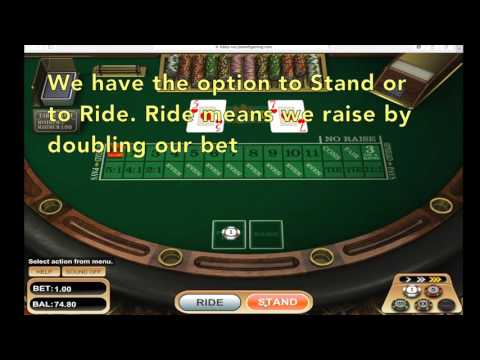
Each bettor stakes and the dealer deals two cards face up. If the cards are consecutive they are returned as a push, and if they form a pair a third equal card pays eleven to one while any other third card pushes. Otherwise bettors may raise the stake before a third card is drawn. The bet wins if the third card ranks strictly between the first two. Payouts grow as the spread between the first two cards narrows.
Leagues & organised play
No organised league circuit — played socially / in casinos
Video
The desk’s view — Red Dog
Red Dog comes out of United States, 19th-20th centuries and sits in the banking & casino family. Red dog is an American banking game also called acey-deucey in its wider family, played in frontier and later casino settings. United States casinos offered it in a simplified three-card form through much of the 20th century.
The desk’s read: The banking games are kept here as history and rules record — the desk documents them the way it documents any game with a long published past. In play: Each bettor stakes and the dealer deals two cards face up. If the cards are consecutive they are returned as a push, and if they form a pair a third equal card pays eleven to one while any other third card pushes. It is a game for Many bettors against the bank. On organised play the record is plain: No organised league circuit — played socially / in casinos. (Record: Wikipedia.)
Rook
Sport on Earth › Card Games › Rook
Card Games
Rook
Rook — a trick-taking card game from United States, 1906, typically for 4 players in 2 partnerships (variants for 2-6) players.
History
Rook was introduced by the Parker Brothers company in 1906 with a special 57 card pack of numbered coloured cards. It was marketed to households that preferred a game without a standard playing-card pack. Kentucky rook became a strong regional form and the game remains a family partnership standard in parts of the United States.
How to play
Each player receives nine cards from the rook pack with five cards in a kitty, and the rook card ranks as the lowest trump. Players bid for the kitty and the winner exchanges with it and names trump. Tricks follow suit if possible and numbered cards carry counter points from five to fourteen. The bidding side must reach its bid in counters and trick bonuses or be set back. First partnership to five hundred points wins.
Leagues & organised play
No organised league circuit — played socially / in casinos
Video

The desk’s view — Rook
Rook comes out of United States, 1906 and sits in the trick-taking family. Rook was introduced by the Parker Brothers company in 1906 with a special 57 card pack of numbered coloured cards. It was marketed to households that preferred a game without a standard playing-card pack.
The desk’s read: Trick-taking is the oldest competitive grammar in the card canon, and the desk holds its games to the standard the family set for itself centuries ago: follow suit, mind the trump, count what has gone. In play: Each player receives nine cards from the rook pack with five cards in a kitty, and the rook card ranks as the lowest trump. It is a game for 4 players in 2 partnerships (variants for 2-6). On organised play the record is plain: No organised league circuit — played socially / in casinos. (Record: Wikipedia.)
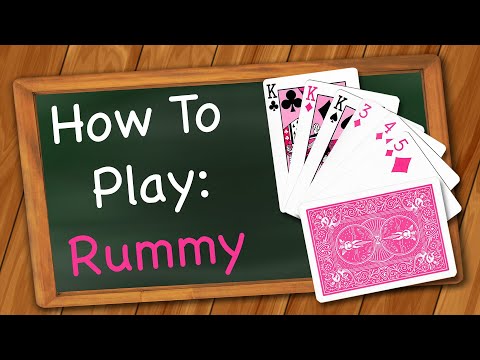
Rummy
Sport on Earth › Card Games › Rummy
Card Games
Rummy
Rummy — a rummy card game from United States, early 20th century (from Conquian), typically for 2-6 players players.
History
Straight rummy grew in the United States in the early 20th century from the Mexican game conquian, with a possible older link to Chinese melding games debated by historians. It became the generic family name for draw-and-discard melding games worldwide. From it came gin, canasta, kalooki and hundreds of regional descendants.
How to play
Each player receives seven cards, or ten with two players, and a discard pile is started beside the stock. On a turn a player draws one card, may lay down sets and runs or lay off on melds, and discards one card. The aim is to meld all cards and go out, usually with a final discard. Cards left in opponents’ hands score penalty points to the player who went out. First player to the agreed total over several hands wins.
Leagues & organised play
No organised league circuit — played socially / in casinos
Video
The desk’s view — Rummy
Rummy comes out of United States, early 20th century (from Conquian) and sits in the rummy family. Straight rummy grew in the United States in the early 20th century from the Mexican game conquian, with a possible older link to Chinese melding games debated by historians. It became the generic family name for draw-and-discard melding games worldwide.
The desk’s read: Rummy's family secret is that it is a game about information: every discard is a sentence your opponents get to read. In play: Each player receives seven cards, or ten with two players, and a discard pile is started beside the stock. On a turn a player draws one card, may lay down sets and runs or lay off on melds, and discards one card. It is a game for 2-6 players. On organised play the record is plain: No organised league circuit — played socially / in casinos. (Record: Wikipedia / David Parlett.)
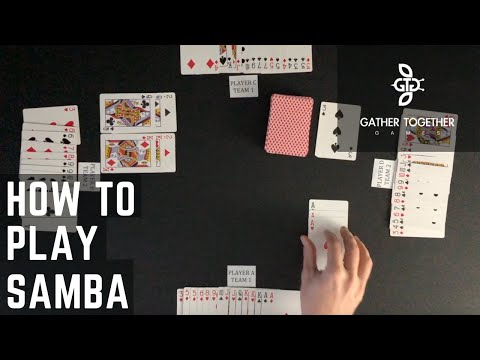
Samba
Sport on Earth › Card Games › Samba
Card Games
Samba
Samba — a rummy card game from United States, 1950s (from Canasta), typically for 4-6 players in partnerships or individually players.
History
Samba is a canasta variant that flourished in the United States during the canasta craze of the early 1950s. It added sequences, called sambas, to canasta’s rank melds and used three decks. Samba and its sister game bolivia were the deluxe forms sold in boxed triple-deck sets of the period.
How to play
Players use three decks with jokers, one hundred and sixty-two cards, and each receives fifteen cards. Turns follow canasta: draw, meld and discard, with jokers and twos wild. Melds may be of the same rank as in canasta or sequences of seven cards in one suit, called sambas, scoring a high bonus. A side needs two canastas or equivalent qualifying melds, including the samba option, before going out. Scores are totalled as in canasta and the first side to ten thousand points wins.
Leagues & organised play
No organised league circuit — played socially / in casinos
Video
The desk’s view — Samba
Samba comes out of United States, 1950s (from Canasta) and sits in the rummy family. Samba is a canasta variant that flourished in the United States during the canasta craze of the early 1950s. It added sequences, called sambas, to canasta's rank melds and used three decks.
The desk’s read: Rummy's family secret is that it is a game about information: every discard is a sentence your opponents get to read. In play: Players use three decks with jokers, one hundred and sixty-two cards, and each receives fifteen cards. Turns follow canasta: draw, meld and discard, with jokers and twos wild. It is a game for 4-6 players in partnerships or individually. On organised play the record is plain: No organised league circuit — played socially / in casinos. (Record: Wikipedia.)
Scala 40
Sport on Earth › Card Games › Scala 40
Card Games
Scala 40
Scala 40 — a rummy card game from Italy, early 20th century, typically for 2-6 players players.
History
Scala 40, forty ladder, is an Italian rummy that became established in Italy in the early 20th century. It is a close relative of the melding games that also produced ramino in Italy. Its name comes from the forty points needed for a first meld when a player opens from hand alone.
How to play
Each player receives thirteen cards from two decks with jokers and a discard pile is started. Turns are draw, meld sets and runs or lay off, and discard. A first meld must reach forty points in card values unless the player uses the discard pile route allowed by local rules. A player goes out by melding all cards, with a bonus for going out in one turn without having melded before. Cards left in hand score against their holders and the lowest total over the match wins.
Leagues & organised play
No organised league circuit — played socially / in casinos
Video

The desk’s view — Scala 40
Scala 40 comes out of Italy, early 20th century and sits in the rummy family. Scala 40, forty ladder, is an Italian rummy that became established in Italy in the early 20th century. It is a close relative of the melding games that also produced ramino in Italy.
The desk’s read: Rummy's family secret is that it is a game about information: every discard is a sentence your opponents get to read. In play: Each player receives thirteen cards from two decks with jokers and a discard pile is started. Turns are draw, meld sets and runs or lay off, and discard. It is a game for 2-6 players. On organised play the record is plain: No organised league circuit — played socially / in casinos. (Record: Wikipedia.)
Schafkopf
Sport on Earth › Card Games › Schafkopf
Card Games
Schafkopf
Schafkopf — a trick-taking card game from Bavaria, Germany, late 18th century, typically for 4 players players.
History
Schafkopf emerged in Germany in the late 18th century and its earliest written reference dates to 1803. It became the defining card game of Bavaria and an emblem of Bavarian culture. From the Schafkopf family also came doppelkopf, skat in part, and the American game sheepshead carried by emigrants.
How to play
Each player receives eight cards from a 32 card pack, with obers, unters and hearts normally forming the trump order. A player may call a partner by naming a missing ace, or bid solo and wendel contracts against the other three. Tricks are played following suit, and card points in tricks decide most games. The calling or solo side must take at least sixty-one of the one hundred and twenty card points. Schneider and schwarz bonuses raise the score for one-sided results.
Leagues & organised play
No organised league circuit — played socially / in casinos
Video

The desk’s view — Schafkopf
Schafkopf comes out of Bavaria, Germany, late 18th century and sits in the trick-taking family. Schafkopf emerged in Germany in the late 18th century and its earliest written reference dates to 1803. It became the defining card game of Bavaria and an emblem of Bavarian culture.
The desk’s read: Trick-taking is the oldest competitive grammar in the card canon, and the desk holds its games to the standard the family set for itself centuries ago: follow suit, mind the trump, count what has gone. In play: Each player receives eight cards from a 32 card pack, with obers, unters and hearts normally forming the trump order. A player may call a partner by naming a missing ace, or bid solo and wendel contracts against the other three. It is a game for 4 players. On organised play the record is plain: No organised league circuit — played socially / in casinos. (Record: Wikipedia.)
Schnapsen
Sport on Earth › Card Games › Schnapsen
Card Games
Schnapsen
Schnapsen — a trick-taking card game from Austria, recorded 1718 as Mariagen-Spiel, typically for 2 players (Sixty-Six forms for 2-4) players.
History
Schnapsen descends from the marriage game first recorded in 1718 and is the national two-player game of Austria, also played across central Europe. The closely related sixty-six is played in Germany and beyond. Its closed hand, where a player claims sixty-six before the cards are out, gives it unusual tension for a small game.
How to play
Each player receives five cards from a 20 card pack and a trump card is turned with the stock beside it. Players play tricks without having to follow suit until the stock is closed or exhausted. A king and queen marriage of a suit scores twenty, or forty in trump, when led or declared. Aces and tens carry most trick points, and the first to claim sixty-six points wins the hand. Game points vary with the margin and whether the loser won any trick.
Leagues & organised play
No organised league circuit — played socially / in casinos
Video

The desk’s view — Schnapsen
Schnapsen comes out of Austria, recorded 1718 as Mariagen-Spiel and sits in the trick-taking family. Schnapsen descends from the marriage game first recorded in 1718 and is the national two-player game of Austria, also played across central Europe. The closely related sixty-six is played in Germany and beyond.
The desk’s read: Trick-taking is the oldest competitive grammar in the card canon, and the desk holds its games to the standard the family set for itself centuries ago: follow suit, mind the trump, count what has gone. In play: Each player receives five cards from a 20 card pack and a trump card is turned with the stock beside it. Players play tricks without having to follow suit until the stock is closed or exhausted. It is a game for 2 players (Sixty-Six forms for 2-4). On organised play the record is plain: No organised league circuit — played socially / in casinos. (Record: Wikipedia.)
Scopa
Sport on Earth › Card Games › Scopa
Card Games
Scopa
Scopa — a fishing card game from Italy, documented 17th-18th centuries, typically for 2 or 4 players (also 3 or 6) players.
History
Scopa is one of Italy’s three national card games and was already widespread across Italy in the 18th century, especially in Naples. Its name means broom, for sweeping all the cards from the table in one capture. Italian emigrants carried it to Argentina and Brazil, where forms such as scopa di quindici remain popular.
How to play
Players use a 40 card Italian pack, receive three cards each, and four cards start face up on the table. On a turn a player captures a table card of equal value or cards summing to the played card’s value, or trails a card if no capture is possible. Capturing every table card scores a scopa point, except on the last card of a hand. Points are also scored for most cards, most coins, the seven of coins called settebello and the best prime values. First player or side to eleven or the agreed total wins.
Leagues & organised play
No organised league circuit — played socially / in casinos
Video

The desk’s view — Scopa
Scopa comes out of Italy, documented 17th-18th centuries and sits in the fishing family. Scopa is one of Italy's three national card games and was already widespread across Italy in the 18th century, especially in Naples. Its name means broom, for sweeping all the cards from the table in one capture.
The desk’s read: Fishing games are the table-top's quiet strategists: the layout is public, the memory is the skill, and the sweep, when it comes, feels earned. In play: Players use a 40 card Italian pack, receive three cards each, and four cards start face up on the table. On a turn a player captures a table card of equal value or cards summing to the played card's value, or trails a card if no capture is possible. It is a game for 2 or 4 players (also 3 or 6). On organised play the record is plain: No organised league circuit — played socially / in casinos. (Record: Wikipedia.)
Scopone
Sport on Earth › Card Games › Scopone
Card Games
Scopone
Scopone — a fishing card game from Italy, 18th-19th centuries, typically for 4 players in 2 partnerships players.
History
Scopone is the partnership, full-hand form of scopa, played in Italy since at least the 19th century in its documented modern form. With nine or ten cards in hand it allows long planned captures and is considered the thinking player’s scopa. The form scopone scientifico, with ten cards, is the version most written about.
How to play
Each player receives nine cards, or ten in scopone scientifico, from a 40 card pack, with four cards or none starting on the table depending on the form. Turns follow scopa: capture by equal value or by sums, or trail a card. Partnership captures are pooled and a capture of all table cards scores a scopa. Scoring follows scopa for cards, coins, settebello and prime, with no scopa on the final play. The partnership reaching eleven or the agreed winning total first wins.
Leagues & organised play
No organised league circuit — played socially / in casinos
Video

The desk’s view — Scopone
Scopone comes out of Italy, 18th-19th centuries and sits in the fishing family. Scopone is the partnership, full-hand form of scopa, played in Italy since at least the 19th century in its documented modern form. With nine or ten cards in hand it allows long planned captures and is considered the thinking player's scopa.
The desk’s read: Fishing games are the table-top's quiet strategists: the layout is public, the memory is the skill, and the sweep, when it comes, feels earned. In play: Each player receives nine cards, or ten in scopone scientifico, from a 40 card pack, with four cards or none starting on the table depending on the form. It is a game for 4 players in 2 partnerships. On organised play the record is plain: No organised league circuit — played socially / in casinos. (Record: Wikipedia.)
Seep
Sport on Earth › Card Games › Seep
Card Games
Seep
Seep — a fishing card game from India, 20th century (documented), typically for 4 players in 2 partnerships players.
History
Seep, also called sweep or sip, is a fishing game played in India and Pakistan and in South Asian communities abroad. It adapts the cassino and scopa idea of building to capture by sums to a full 52 card pack. Its houses, fixed built values that only their builder may capture, give the game its strategy.
How to play
The first player receives twelve cards to try to form a house, and other players then receive twelve each with four cards on the table. A house is a built pile with a fixed capture value from nine to thirteen that cannot be broken. On a turn a player may capture table cards matching a card in hand, build or add to a house, or trail a card. Captured cards score by face value with court cards and aces high in value. The side with the higher card-point total after the pack ends wins the hand.
Leagues & organised play
No organised league circuit — played socially / in casinos
Video

The desk’s view — Seep
Seep comes out of India, 20th century (documented) and sits in the fishing family. Seep, also called sweep or sip, is a fishing game played in India and Pakistan and in South Asian communities abroad. It adapts the cassino and scopa idea of building to capture by sums to a full 52 card pack.
The desk’s read: Fishing games are the table-top's quiet strategists: the layout is public, the memory is the skill, and the sweep, when it comes, feels earned. In play: The first player receives twelve cards to try to form a house, and other players then receive twelve each with four cards on the table. It is a game for 4 players in 2 partnerships. On organised play the record is plain: No organised league circuit — played socially / in casinos. (Record: Wikipedia / Pagat.com.)
Seven-Card Stud
Sport on Earth › Card Games › Seven-Card Stud
Card Games
Seven-Card Stud
Seven-Card Stud — a poker & vying card game from United States, mid-19th century, typically for 2-8 players per table players.
History
Seven-card stud developed in the United States in the mid-19th century from earlier stud forms and was for decades the leading poker game in American home games and eastern casinos. It was a founding game of the World Series of Poker schedule. Hold’em later overtook it in popularity, but stud remains a core mixed-game discipline.
How to play
Each player receives two cards face down and one face up, followed by betting, then three more up cards with betting after each, and a final down card. The player with the best showing up cards acts first in most rounds. At showdown each player makes the best five card hand from their own seven cards. There are no shared community cards, so memory of folded up cards matters. The best shown hand wins the pot.
Leagues & organised play
World Series of Poker / World Poker Tour — The WSOP, founded in 1970, and the World Poker Tour run the leading live tournament circuits for poker variants.
Video

The desk’s view — Seven-Card Stud
Seven-Card Stud comes out of United States, mid-19th century and sits in the poker & vying family. Seven-card stud developed in the United States in the mid-19th century from earlier stud forms and was for decades the leading poker game in American home games and eastern casinos. It was a founding game of the World Series of Poker schedule.
The desk’s read: The vying games are the canon of the raised eyebrow — the desk covers them as games of record and history, and prints their rules tradition the way it prints any other sport's. In play: Each player receives two cards face down and one face up, followed by betting, then three more up cards with betting after each, and a final down card. It is a game for 2-8 players per table. (Record: Wikipedia.)
Sheepshead
Sport on Earth › Card Games › Sheepshead
Card Games
Sheepshead
Sheepshead — a trick-taking card game from United States (Wisconsin), 19th century, from German Schafkopf, typically for 5 players (variants for 2-7) players.
History
Sheepshead is the American descendant of German schafkopf, carried to the United States by German immigrants in the 19th century. It settled most deeply in Wisconsin, where it remains a strong regional and tavern game. Its picking and burying and its secret partner by the jack of diamonds are its best known local marks.
How to play
Five players receive six cards from a 32 card pack with two cards in the blind, and queens, jacks and diamonds are permanent trumps. Players in turn may pick the blind to become picker, exchange two cards as a bury, and usually call the jack of diamonds holder as secret partner. Tricks follow suit where possible and fail cards score their points to whoever wins them. The picker’s side must take at least sixty-one card points. Scores are paid or settled by the result and any leaster or crack variations agreed locally.
Leagues & organised play
No organised league circuit — played socially / in casinos
Video

The desk’s view — Sheepshead
Sheepshead comes out of United States (Wisconsin), 19th century, from German Schafkopf and sits in the trick-taking family. Sheepshead is the American descendant of German schafkopf, carried to the United States by German immigrants in the 19th century. It settled most deeply in Wisconsin, where it remains a strong regional and tavern game.
The desk’s read: Trick-taking is the oldest competitive grammar in the card canon, and the desk holds its games to the standard the family set for itself centuries ago: follow suit, mind the trump, count what has gone. In play: Five players receive six cards from a 32 card pack with two cards in the blind, and queens, jacks and diamonds are permanent trumps. It is a game for 5 players (variants for 2-7). On organised play the record is plain: No organised league circuit — played socially / in casinos. (Record: Wikipedia / Pagat.com.)
Shithead
Sport on Earth › Card Games › Shithead
Card Games
Shithead
Shithead — a shedding card game from Britain / Scandinavia, late 20th century (documented), typically for 2-6 players players.
History
Shithead, also called palace and known in Finland as paskahousu, is a folk shedding game documented in Britain and Scandinavia in the late 20th century. It spread by word of mouth through schools, travellers and pubs rather than through printed rules. Its face-up and face-down final cards produce its well known endgame of blind luck.
How to play
Each player receives three face-down cards, three face-up cards on top of them and a hand of three or more cards, swapping to improve the face-up set. Players shed onto a pile in ascending order, matching or beating the top card, with special cards such as twos, tens and transparent sevens under local rules. A player who cannot beat the pile picks it up, and the hand must be emptied before the face-up cards are played. Face-down cards are played blind, one at a time, to finish. The last player holding cards loses and takes the game’s unflattering title.
Leagues & organised play
No organised league circuit — played socially / in casinos
Video

The desk’s view — Shithead
Shithead comes out of Britain / Scandinavia, late 20th century (documented) and sits in the shedding family. Shithead, also called palace and known in Finland as paskahousu, is a folk shedding game documented in Britain and Scandinavia in the late 20th century. It spread by word of mouth through schools, travellers and pubs rather than through printed rules.
The desk’s read: Shedding games invert the usual ambition: the hand you want is no hand at all, and every card kept is a small failure of nerve or luck. In play: Each player receives three face-down cards, three face-up cards on top of them and a hand of three or more cards, swapping to improve the face-up set. It is a game for 2-6 players. On organised play the record is plain: No organised league circuit — played socially / in casinos. (Record: Wikipedia.)
Sixty-Six
Sport on Earth › Card Games › Sixty-Six
Card Games
Sixty-Six
Sixty-Six — a trick-taking card game from Germany, 17th century, typically for 2 to 4 players players.
History
Sixty-Six, also known as 66 or Paderbörnern after the city of Paderborn, is a fast ace-ten point-trick game of the marriage type, played with 24 cards in which aces rank high and tens second. It has been described as one of the best two-handed card games ever devised, and its marriage bonuses and card-point scoring are the pattern from which the Austrian game of Schnapsen was later developed.
How to play
Six cards each are dealt from a 24-card pack (9, 10, Jack, Queen, King, Ace of each suit) and the top card of the stock is turned up for trump. Players play tricks, following suit if they can; the highest trump, or the highest card of the suit led, wins the trick. Card points are counted for captured Aces (11), tens (10), Kings (4), Queens (3) and Jacks (2), with bonuses of 20 for declaring a marriage of King and Queen of a suit, or 40 in trumps. The first player to reach 66 card points claims the win; play continues over several deals to an agreed total.
Leagues & organised play
No organised league circuit — played socially.
Video

The desk’s view — Sixty-Six
Sixty-Six comes out of Germany, 17th century and sits in the trick-taking family. Sixty-Six, also known as 66 or Paderbörnern after the city of Paderborn, is a fast ace-ten point-trick game of the marriage type, played with 24 cards in which aces rank high and tens second. It has been described as one of the best two-handed card games ever devised, and its marriage bonuses and card-point scoring are the pattern from which the Austrian game of Schnapsen was later developed.
The desk’s read: Trick-taking is the oldest competitive grammar in the card canon, and the desk holds its games to the standard the family set for itself centuries ago: follow suit, mind the trump, count what has gone. In play: Six cards each are dealt from a 24-card pack (9, 10, Jack, Queen, King, Ace of each suit) and the top card of the stock is turned up for trump. It is a game for 2 to 4 players. On organised play the record is plain: No organised league circuit — played socially. (Record: Pagat.com / Wikipedia.)
Skat
Sport on Earth › Card Games › Skat
Card Games
Skat
Skat — a trick-taking card game from Altenburg, Germany, early 19th century (c.1810-1813), typically for 3 players (4 with a sitting-out dealer) players.
History
Skat was developed between about 1810 and 1813 in Altenburg, Thuringia, by members of a local tarock club combining older games. It spread across Germany and with emigrants overseas, becoming Germany’s national card game. Rules were standardised from the first Skat congress in 1886 and the German and international orders were unified in 1998.
How to play
Three active players receive ten cards each with two cards left face down as the skat. An auction decides the soloist, who then names a suit, grand or null game and may exchange with the skat. The soloist plays alone against the other two, following suit in tricks, and card points in tricks decide most contracts. The soloist must reach the value needed for the declared game to win. Scores accumulate over a set list of deals.
Leagues & organised play
International Skat Players Association (ISPA) — ISPA, with the German Skat Association, governs the unified International Skat Order and organises world and national championships.
Video

The desk’s view — Skat
Skat comes out of Altenburg, Germany, early 19th century (c.1810-1813) and sits in the trick-taking family. Skat was developed between about 1810 and 1813 in Altenburg, Thuringia, by members of a local tarock club combining older games. It spread across Germany and with emigrants overseas, becoming Germany's national card game.
The desk’s read: Trick-taking is the oldest competitive grammar in the card canon, and the desk holds its games to the standard the family set for itself centuries ago: follow suit, mind the trump, count what has gone. In play: Three active players receive ten cards each with two cards left face down as the skat. An auction decides the soloist, who then names a suit, grand or null game and may exchange with the skat. It is a game for 3 players (4 with a sitting-out dealer). (Record: Wikipedia / International Skat Order.)
Slapjack
Sport on Earth › Card Games › Slapjack
Card Games
Slapjack
Slapjack — a children’s card game from United States, 19th-20th centuries (documented), typically for 2-8 players players.
History
Slapjack is an American reaction game documented as a children’s and party game, related to the older Egyptian ratscrew family of slapping games. It turns entirely on spotting a jack the moment it appears. Fast hands matter more than any card skill, which is its enduring appeal.
How to play
The whole pack is dealt face down and players turn cards one at a time onto a central pile. When a jack appears, the first player to slap it wins the whole pile and shuffles it into their cards. Slapping a card that is not a jack costs a penalty card burned under the pile in the common rules. A player who runs out of cards may return by slapping the next jack correctly, where house rules allow it. The player who collects the whole pack, or holds most cards at the agreed end, wins.
Leagues & organised play
No organised league circuit — played socially / in casinos
Video

The desk’s view — Slapjack
Slapjack comes out of United States, 19th-20th centuries (documented) and sits in the children's family. Slapjack is an American reaction game documented as a children's and party game, related to the older Egyptian ratscrew family of slapping games. It turns entirely on spotting a jack the moment it appears.
The desk’s read: The children's games in the canon are printed without condescension: simple rules, honestly recorded, and the first table most of us ever sat at. In play: The whole pack is dealt face down and players turn cards one at a time onto a central pile. When a jack appears, the first player to slap it wins the whole pile and shuffles it into their cards. It is a game for 2-8 players. On organised play the record is plain: No organised league circuit — played socially / in casinos. (Record: Wikipedia.)
Snap
Sport on Earth › Card Games › Snap
Card Games
Snap
Snap — a children’s card game from Britain, 19th century (documented), typically for 2 or more players players.
History
Snap is a matching and reaction game documented in Victorian Britain as a children’s party game. Dedicated snap packs with pictures later replaced ordinary cards in many homes. Its shout and slap at a matching pair made it a standard noisy family game across the English-speaking world.
How to play
The whole pack is dealt and players keep their cards face down in a pile. In turn each player turns the top card onto a central pile without looking in advance. When two consecutive cards match in rank, the first player to call snap and cover the pile wins all its cards. A mistaken call is penalised under house rules, commonly by paying cards to opponents. A player out of cards is eliminated or re-enters by winning a snap, by agreement. The player who collects the whole pack wins.
Leagues & organised play
No organised league circuit — played socially / in casinos
Video

The desk’s view — Snap
Snap comes out of Britain, 19th century (documented) and sits in the children's family. Snap is a matching and reaction game documented in Victorian Britain as a children's party game. Dedicated snap packs with pictures later replaced ordinary cards in many homes.
The desk’s read: The children's games in the canon are printed without condescension: simple rules, honestly recorded, and the first table most of us ever sat at. In play: The whole pack is dealt and players keep their cards face down in a pile. In turn each player turns the top card onto a central pile without looking in advance. It is a game for 2 or more players. On organised play the record is plain: No organised league circuit — played socially / in casinos. (Record: Wikipedia.)
Solo Whist
Sport on Earth › Card Games › Solo Whist
Card Games
Solo Whist
Solo Whist — a trick-taking card game from England, 19th century (from Boston whist), typically for 4 players players.
History
Solo whist developed in England in the 19th century from boston whist as a flexible game of changing partnerships and solo bids. It was a leading British club and family game before contract bridge displaced it. Its menu of bids, from prop and cop to solo and abundance, is its lasting mark.
How to play
Four players receive thirteen cards each and trump is fixed by turning the dealer’s last card. Players bid contracts ranging from a temporary partnership to solo, misere and abundance in or out of trump. The successful bidder plays the declared contract against the others or with a called partner. Tricks follow suit, and the contract side must reach its stated trick target. Payments or points are settled by the bid level and the result.
Leagues & organised play
No organised league circuit — played socially / in casinos
Video
No verified video yet.
The site lists a video only when it has been probed playable (YouTube oEmbed) and identity-checked against the game; none has passed both checks for Solo Whist yet.
The desk’s view — Solo Whist
Solo Whist comes out of England, 19th century (from Boston whist) and sits in the trick-taking family. Solo whist developed in England in the 19th century from boston whist as a flexible game of changing partnerships and solo bids. It was a leading British club and family game before contract bridge displaced it.
The desk’s read: Trick-taking is the oldest competitive grammar in the card canon, and the desk holds its games to the standard the family set for itself centuries ago: follow suit, mind the trump, count what has gone. In play: Four players receive thirteen cards each and trump is fixed by turning the dealer's last card. Players bid contracts ranging from a temporary partnership to solo, misere and abundance in or out of trump. It is a game for 4 players. On organised play the record is plain: No organised league circuit — played socially / in casinos. (Record: Wikipedia.)
Spades
Sport on Earth › Card Games › Spades
Card Games
Spades
Spades — a partnership classics card game from United States, 1930s, typically for 4 players in 2 partnerships players.
History
Spades was devised in the United States in the late 1930s as a simpler member of the whist family with spades always trump. It spread widely during the Second World War through American soldiers. After the war veterans and students carried it into homes and colleges across the United States.
How to play
Each player receives 13 cards and each side bids the number of tricks it expects to win, with nil bids for taking none. Players play tricks following suit if possible, and spades cannot be led until the suit is broken. A partnership that makes its combined bid scores ten points per bid trick plus one per overtrick, while failing loses ten per bid trick. Nil succeeds or fails separately for a large bonus or penalty. First partnership to five hundred points wins.
Leagues & organised play
National Spades Players Association (NSPA) — The NSPA runs regional spades tournaments and a Tournament of Champions national championship circuit in the United States.
Video

The desk’s view — Spades
Spades comes out of United States, 1930s and sits in the partnership classics family. Spades was devised in the United States in the late 1930s as a simpler member of the whist family with spades always trump. It spread widely during the Second World War through American soldiers.
The desk’s read: The partnership classics ask the hardest thing cards can ask — that you play as half of a single mind, in silence, under rules that forbid the one conversation you want to have. In play: Each player receives 13 cards and each side bids the number of tricks it expects to win, with nil bids for taking none. Players play tricks following suit if possible, and spades cannot be led until the suit is broken. It is a game for 4 players in 2 partnerships. (Record: Wikipedia.)
Spider
Sport on Earth › Card Games › Spider
Card Games
Spider
Spider — a patience/solitaire-family card game from Documented 1917, standard form 1949, typically for 1 player players.
History
Spider is a two-deck patience first mentioned in a 1917 card collection and described in its standard form in 1949. Its name comes from the eight foundation stacks, matching a spider’s eight legs, that must be completed. It became a mass game through its inclusion in Microsoft Windows from 1998.
How to play
Two decks are dealt into ten tableau columns, fifty-four cards in all, with the top card of each column face up and fifty cards in reserve. Tableau cards are built down regardless of suit, but only same-suit sequences move together. When a full same-suit run from king to ace is built it is removed to a foundation. Empty columns accept any card, and dealing a new row from the reserve requires every column to be filled. The game is won when all eight suit runs have been removed.
Leagues & organised play
No organised league circuit — played socially / in casinos
Video

The desk’s view — Spider
Spider comes out of Documented 1917, standard form 1949 and sits in the patience/solitaire-family family. Spider is a two-deck patience first mentioned in a 1917 card collection and described in its standard form in 1949. Its name comes from the eight foundation stacks, matching a spider's eight legs, that must be completed.
The desk’s read: The patience family is the one branch of the canon played alone against the shuffle itself — the desk treats its literature as seriously as any duel's. In play: Two decks are dealt into ten tableau columns, fifty-four cards in all, with the top card of each column face up and fifty cards in reserve. It is a game for 1 player. On organised play the record is plain: No organised league circuit — played socially / in casinos. (Record: Wikipedia.)
Spit
Sport on Earth › Card Games › Spit
Card Games
Spit
Spit — a shedding card game from United States, 20th century, typically for 2 players players.
History
Spit is a two-player card game of the shedding family and a form of competitive patience: both players race in real time, with no turns, to play off their own layout onto shared piles. It is played until all of one player’s cards are gone, and its close variant Speed follows the same racing pattern.
How to play
Each player lays out five stock piles in front of them, the first with one card and each next pile one card more, with only the top card of each pile face up, and keeps the rest as a spit stock. One card from each spit stock starts two central spit piles. Both players simultaneously play cards from their layout onto either spit pile when the card is one rank higher or lower than the pile’s top card, regardless of suit, refilling face-up spots from beneath. When neither can play, both spit new cards onto the centre piles. The first player to shed every card wins the round.
Leagues & organised play
No organised league circuit — played socially.
Video

The desk’s view — Spit
Spit comes out of United States, 20th century and sits in the shedding family. Spit is a two-player card game of the shedding family and a form of competitive patience: both players race in real time, with no turns, to play off their own layout onto shared piles. It is played until all of one player's cards are gone, and its close variant Speed follows the same racing pattern.
The desk’s read: Shedding games invert the usual ambition: the hand you want is no hand at all, and every card kept is a small failure of nerve or luck. In play: Each player lays out five stock piles in front of them, the first with one card and each next pile one card more, with only the top card of each pile face up, and keeps the rest as a spit stock. It is a game for 2 players. On organised play the record is plain: No organised league circuit — played socially. (Record: Pagat.com / Wikipedia.)
Spite and Malice
Sport on Earth › Card Games › Spite and Malice
Card Games
Spite and Malice
Spite and Malice — a patience/solitaire-family card game from United States, 20th century, typically for 2 or more players players.
History
Spite and Malice, also known as Cat and Mouse, is a relatively modern American card game for two or more players. It is a reworking of the late 19th-century Continental game Crapette, also known as Russian Bank, and is a form of competitive solitaire that can be played with two or three standard decks.
How to play
Each player has a face-down goal pile (commonly 26 cards) and a hand of five, and the aim is to be first to play off the whole goal pile. Shared centre stacks are built upward in sequence from Ace to Queen, regardless of suit. On a turn a player may play the top card of their goal pile, cards from their hand, or cards from their own four discard piles onto the centre stacks or their discard piles, then refills their hand and ends the turn by discarding. Because a discard can block an opponent’s next move, the game earns its name.
Leagues & organised play
No organised league circuit — played socially.
Video

The desk’s view — Spite and Malice
Spite and Malice comes out of United States, 20th century and sits in the patience/solitaire-family family. Spite and Malice, also known as Cat and Mouse, is a relatively modern American card game for two or more players. It is a reworking of the late 19th-century Continental game Crapette, also known as Russian Bank, and is a form of competitive solitaire that can be played with two or three standard decks.
The desk’s read: The patience family is the one branch of the canon played alone against the shuffle itself — the desk treats its literature as seriously as any duel's. In play: Each player has a face-down goal pile (commonly 26 cards) and a hand of five, and the aim is to be first to play off the whole goal pile. It is a game for 2 or more players. On organised play the record is plain: No organised league circuit — played socially. (Record: Pagat.com / Wikipedia.)
Sueca
Sport on Earth › Card Games › Sueca
Card Games
Sueca
Sueca — a partnership classics card game from Portugal, 19th-20th centuries, typically for 4 players in 2 partnerships players.
History
Sueca, whose name simply means Swedish, is Portugal’s most popular partnership card game despite the unexplained name. It developed within the ace-ten family and became a fixture of Portuguese cafes and family life. A silent version with no table talk is a widely played variant.
How to play
Each player receives ten cards from a 40 card pack and the bottom card or a turned card fixes trump. The seven outranks court cards in each suit, in an ace then seven order. Players must follow suit if they can and the highest card of the suit led or highest trump wins each trick. Aces, sevens and court cards carry the card points, one hundred and twenty in all. The side taking more than sixty points wins the hand, with larger margins scoring more game points toward four.
Leagues & organised play
No organised league circuit — played socially / in casinos
Video

The desk’s view — Sueca
Sueca comes out of Portugal, 19th-20th centuries and sits in the partnership classics family. Sueca, whose name simply means Swedish, is Portugal's most popular partnership card game despite the unexplained name. It developed within the ace-ten family and became a fixture of Portuguese cafes and family life.
The desk’s read: The partnership classics ask the hardest thing cards can ask — that you play as half of a single mind, in silence, under rules that forbid the one conversation you want to have. In play: Each player receives ten cards from a 40 card pack and the bottom card or a turned card fixes trump. The seven outranks court cards in each suit, in an ace then seven order. It is a game for 4 players in 2 partnerships. On organised play the record is plain: No organised league circuit — played socially / in casinos. (Record: Wikipedia.)
Switch
Sport on Earth › Card Games › Switch
Card Games
Switch
Switch — a shedding card game from Britain / Ireland, 20th century, typically for 2-6 players players.
History
Switch, also called Irish switch and closely related to the game called blackjack in Britain and Ireland, is a home-grown form of the eights family. It became a standard British and Irish family and pub game in the 20th century. Its stack of action cards, runs and pick-ups, makes it livelier than basic crazy eights.
How to play
Players receive seven cards and a card starts the discard pile. A turn must match the top card by suit or rank, or play one of the trick cards such as an ace to change suit, a two to make the next player pick up, or an eight to skip. Runs of matching ranks may be played together in the common form. A player must announce last card when one remains. The first player to shed all cards wins the round and others score or pay by cards left.
Leagues & organised play
No organised league circuit — played socially / in casinos
Video
No verified video yet.
The site lists a video only when it has been probed playable (YouTube oEmbed) and identity-checked against the game; none has passed both checks for Switch yet.
The desk’s view — Switch
Switch comes out of Britain / Ireland, 20th century and sits in the shedding family. Switch, also called Irish switch and closely related to the game called blackjack in Britain and Ireland, is a home-grown form of the eights family. It became a standard British and Irish family and pub game in the 20th century.
The desk’s read: Shedding games invert the usual ambition: the hand you want is no hand at all, and every card kept is a small failure of nerve or luck. In play: Players receive seven cards and a card starts the discard pile. A turn must match the top card by suit or rank, or play one of the trick cards such as an ace to change suit, a two to make the next player pick up, or an eight to skip. It is a game for 2-6 players. On organised play the record is plain: No organised league circuit — played socially / in casinos. (Record: Wikipedia / Pagat.com.)
Tablanet
Sport on Earth › Card Games › Tablanet
Card Games
Tablanet
Tablanet — a fishing card game from Balkans (Serbia, Croatia, Macedonia), 20th century (documented), typically for 2-4 players (4 in partnerships) players.
History
Tablanet, also called tablic in Serbia, is the Balkan form of the fishing family, related to cassino and scopa. It is a standard cafe and family game in Serbia, Croatia, Bosnia and North Macedonia. Counting captured card values to a five hundred and one target is its local mark.
How to play
Each player receives six cards in batches and four cards start face up on the table. On a turn a player captures a card or a combination summing to a card in hand, or trails a card. Aces count as one or eleven and face cards match only their own rank. Clearing the table scores a tabla bonus except at the very end. Captured cards score their values and play continues to five hundred and one points.
Leagues & organised play
No organised league circuit — played socially / in casinos
Video
No verified video yet.
The site lists a video only when it has been probed playable (YouTube oEmbed) and identity-checked against the game; none has passed both checks for Tablanet yet.
The desk’s view — Tablanet
Tablanet comes out of Balkans (Serbia, Croatia, Macedonia), 20th century (documented) and sits in the fishing family. Tablanet, also called tablic in Serbia, is the Balkan form of the fishing family, related to cassino and scopa. It is a standard cafe and family game in Serbia, Croatia, Bosnia and North Macedonia.
The desk’s read: Fishing games are the table-top's quiet strategists: the layout is public, the memory is the skill, and the sweep, when it comes, feels earned. In play: Each player receives six cards in batches and four cards start face up on the table. On a turn a player captures a card or a combination summing to a card in hand, or trails a card. It is a game for 2-4 players (4 in partnerships). On organised play the record is plain: No organised league circuit — played socially / in casinos. (Record: Wikipedia.)
Tarneeb
Sport on Earth › Card Games › Tarneeb
Card Games
Tarneeb
Tarneeb — a trick-taking card game from Levant, Middle East, typically for 4 players in 2 partnerships players.
History
Tarneeb, also spelled Tarnib and called Hakam in the Arabian Peninsula, is a plain trick-taking card game played across the Middle East, most notably in the countries of the Levant, and in Tanzania. It may be considered a variation of Whist, or a version of Spades, and its name is the Arabic word for trump.
How to play
All 52 cards are dealt, 13 to each player, and the partnerships bid for the right to name trumps: bids run from 7 to 13 tricks, and the highest bidder names the trump suit — the tarneeb. Players must follow suit if they can; the highest trump, or the highest card of the suit led, wins each trick. The bidding side scores for making at least its bid and is set back for falling short, while the defenders score the tricks they take; play continues to an agreed winning total, commonly 41 points.
Leagues & organised play
No organised league circuit — played socially.
Video

The desk’s view — Tarneeb
Tarneeb comes out of Levant, Middle East and sits in the trick-taking family. Tarneeb, also spelled Tarnib and called Hakam in the Arabian Peninsula, is a plain trick-taking card game played across the Middle East, most notably in the countries of the Levant, and in Tanzania. It may be considered a variation of Whist, or a version of Spades, and its name is the Arabic word for trump.
The desk’s read: Trick-taking is the oldest competitive grammar in the card canon, and the desk holds its games to the standard the family set for itself centuries ago: follow suit, mind the trump, count what has gone. In play: All 52 cards are dealt, 13 to each player, and the partnerships bid for the right to name trumps: bids run from 7 to 13 tricks, and the highest bidder names the trump suit — the tarneeb. It is a game for 4 players in 2 partnerships. On organised play the record is plain: No organised league circuit — played socially. (Record: Pagat.com / Wikipedia.)
Teen Patti
Sport on Earth › Card Games › Teen Patti
Card Games
Teen Patti
Teen Patti — a poker & vying card game from India, modern era, typically for 3 to 6 players (typically) players.
History
Teen Patti, also called Flush or Flash, is a gambling card game that originated in India and is popular throughout South Asia. It developed from the English game of Three-Card Brag, with influences from poker, and became a fixture of social and festive play across the region.
How to play
Each player antes a boot amount and receives three face-down cards. Hands rank from a trio (three of a kind) down through a pure sequence (straight flush), a sequence (straight), a colour (flush) and a pair, to a high card. Players bet in turn, either blind — without looking at their cards, at a lower rate — or seen, and may ask for a showdown with the previous player. The last player remaining, or the player with the best hand at a final show, takes the pot.
Leagues & organised play
No organised league circuit — played socially.
Video

The desk’s view — Teen Patti
Teen Patti comes out of India, modern era and sits in the poker & vying family. Teen Patti, also called Flush or Flash, is a gambling card game that originated in India and is popular throughout South Asia. It developed from the English game of Three-Card Brag, with influences from poker, and became a fixture of social and festive play across the region.
The desk’s read: The vying games are the canon of the raised eyebrow — the desk covers them as games of record and history, and prints their rules tradition the way it prints any other sport's. In play: Each player antes a boot amount and receives three face-down cards. Hands rank from a trio (three of a kind) down through a pure sequence (straight flush), a sequence (straight), a colour (flush) and a pair, to a high card. It is a game for 3 to 6 players (typically). On organised play the record is plain: No organised league circuit — played socially. (Record: Pagat.com / Wikipedia.)
Texas Hold'em
Sport on Earth › Card Games › Texas Hold’em
Card Games
Texas Hold’em
Texas Hold’em — a poker & vying card game from Robstown, Texas, United States, early 20th century, typically for 2-10 players per table players.
History
Texas hold’em originated in Robstown, Texas in the early 1900s and was carried to Las Vegas by Texas road gamblers in the 1960s. It became the main event game of the World Series of Poker and then the dominant poker form worldwide. The 2003 victory of online qualifier Chris Moneymaker in the WSOP main event is credited with sparking the poker boom.
How to play
Each player receives two private hole cards and five community cards are dealt face up in stages, the flop, turn and river. Betting rounds follow the deal, the flop, the turn and the river, with players calling, raising or folding. Each player makes the best five card poker hand from any combination of hole and community cards. Players remaining at showdown compare hands for the pot. The highest ranking hand, or the last unfolded player, wins the pot.
Leagues & organised play
World Series of Poker / World Poker Tour — The WSOP, founded in 1970, and the World Poker Tour run the leading live tournament circuits for poker variants.
Video

The desk’s view — Texas Hold’em
Texas Hold'em comes out of Robstown, Texas, United States, early 20th century and sits in the poker & vying family. Texas hold'em originated in Robstown, Texas in the early 1900s and was carried to Las Vegas by Texas road gamblers in the 1960s. It became the main event game of the World Series of Poker and then the dominant poker form worldwide.
The desk’s read: The vying games are the canon of the raised eyebrow — the desk covers them as games of record and history, and prints their rules tradition the way it prints any other sport's. In play: Each player receives two private hole cards and five community cards are dealt face up in stages, the flop, turn and river. It is a game for 2-10 players per table. (Record: WSOP.com / Encyclopaedia Britannica.)
Three-Card Brag
Sport on Earth › Card Games › Three-Card Brag
Card Games
Three-Card Brag
Three-Card Brag — a poker & vying card game from England, 18th century, typically for 2 or more players players.
History
Brag is an English vying game of the 18th century and a direct ancestor of poker through its betting, bluffing and three-card hands. The later three-card form became a fixture of English fairs, pubs and family play. It survives today in British casinos and home games alongside its casino offshoot.
How to play
Each player stakes an ante and receives three cards face down. Players bet in turn, calling, raising or folding, and may play blind without looking at their cards for a reduced stake. Special hands include a prial of three of a kind, a running flush and a run, with three threes ranked highest. Players who stay compare hands when a call ends the betting. The best hand wins the pot, and a lone remaining player wins without showing.
Leagues & organised play
No organised league circuit — played socially / in casinos
Video

The desk’s view — Three-Card Brag
Three-Card Brag comes out of England, 18th century and sits in the poker & vying family. Brag is an English vying game of the 18th century and a direct ancestor of poker through its betting, bluffing and three-card hands. The later three-card form became a fixture of English fairs, pubs and family play.
The desk’s read: The vying games are the canon of the raised eyebrow — the desk covers them as games of record and history, and prints their rules tradition the way it prints any other sport's. In play: Each player stakes an ante and receives three cards face down. Players bet in turn, calling, raising or folding, and may play blind without looking at their cards for a reduced stake. It is a game for 2 or more players. On organised play the record is plain: No organised league circuit — played socially / in casinos. (Record: Wikipedia.)
Three-Card Poker
Sport on Earth › Card Games › Three-Card Poker
Card Games
Three-Card Poker
Three-Card Poker — a poker & vying card game from United States / Britain, 1994 (designed by Derek Webb), typically for 1 or more players against the dealer players.
History
Three-card poker was designed by Derek Webb in 1994 to combine fast casino play with a poker-style hand. It was first placed in Mississippi casinos and spread internationally in the late 1990s. Its pair plus side bet became as popular as the main game in many casinos.
How to play
Each player stakes an ante, and usually an optional pair plus bet, and receives three cards as does the dealer. The player looks at the hand and either folds, losing the ante, or makes a play bet equal to the ante. The dealer needs queen high or better to qualify, and hands are compared using three-card rankings headed by a straight flush. Winning hands are paid on ante and play bets, with bonuses for strong hands. The pair plus bet pays purely on the player’s hand regardless of the dealer.
Leagues & organised play
No organised league circuit — played socially / in casinos
Video

The desk’s view — Three-Card Poker
Three-Card Poker comes out of United States / Britain, 1994 (designed by Derek Webb) and sits in the poker & vying family. Three-card poker was designed by Derek Webb in 1994 to combine fast casino play with a poker-style hand. It was first placed in Mississippi casinos and spread internationally in the late 1990s.
The desk’s read: The vying games are the canon of the raised eyebrow — the desk covers them as games of record and history, and prints their rules tradition the way it prints any other sport's. In play: Each player stakes an ante, and usually an optional pair plus bet, and receives three cards as does the dealer. The player looks at the hand and either folds, losing the ante, or makes a play bet equal to the ante. It is a game for 1 or more players against the dealer. On organised play the record is plain: No organised league circuit — played socially / in casinos. (Record: Wikipedia.)
Tichu
Sport on Earth › Card Games › Tichu
Card Games
Tichu
Tichu — a shedding card game from Germany / Switzerland, 1991 (designed by Urs Hostettler, from Zheng Fen), typically for 4 players in 2 partnerships players.
History
Tichu is a partnership climbing game designed by Urs Hostettler and published in 1991, adapted from the Chinese game zheng fen. It became a cult modern classic in German-speaking Europe and is published internationally with its special cards. Organised play exists in clubs, but no federation circuit on the scale of bridge or skat is documented for it.
How to play
The whole pack plus four special cards, mah jong, dog, phoenix and dragon, is dealt to the partnerships. Players exchange cards with both partners and opponents, then shed in climbs of singles, pairs, sequences of pairs and other combinations, or pass. The phoenix is wild except as the lowest single, the dragon is the highest single but must be given away, and the dog hands the lead to a partner. A player may call tichu before playing a first card to bet on finishing first for a hundred point bonus or penalty. A partnership finishing first and second scores two hundred at once, otherwise tricks are scored by card values to a thousand.
Leagues & organised play
No organised league circuit — played socially / in casinos
Video

The desk’s view — Tichu
Tichu comes out of Germany / Switzerland, 1991 (designed by Urs Hostettler, from Zheng Fen) and sits in the shedding family. Tichu is a partnership climbing game designed by Urs Hostettler and published in 1991, adapted from the Chinese game zheng fen. It became a cult modern classic in German-speaking Europe and is published internationally with its special cards.
The desk’s read: Shedding games invert the usual ambition: the hand you want is no hand at all, and every card kept is a small failure of nerve or luck. In play: The whole pack plus four special cards, mah jong, dog, phoenix and dragon, is dealt to the partnerships. Players exchange cards with both partners and opponents, then shed in climbs of singles, pairs, sequences of pairs and other combinations, or pass. It is a game for 4 players in 2 partnerships. On organised play the record is plain: No organised league circuit — played socially / in casinos. (Record: Wikipedia.)
Tonk
Sport on Earth › Card Games › Tonk
Card Games
Tonk
Tonk — a rummy card game from United States, 1930s-1940s, typically for 2-4 players players.
History
Tonk is an American knock rummy that rose in the 1930s and 1940s and was strongly associated with jazz musicians and travelling players. It is a fast gambling form of rummy with a small five-card hand. A fifty-point opening hand, called tonk, pays double at once and gives the game its name.
How to play
Each player stakes and receives five cards, with a stock and discard pile in the centre. If a player is dealt fifty points in meld value the hand ends immediately as a tonk for double payment. Otherwise turns are draw and discard, and a player with a low unmatched total may drop or knock. Remaining players may match or beat the drop, with the lowest unmatched total winning the stakes. A player caught with a higher total than the dropper pays double in many forms.
Leagues & organised play
No organised league circuit — played socially / in casinos
Video

The desk’s view — Tonk
Tonk comes out of United States, 1930s-1940s and sits in the rummy family. Tonk is an American knock rummy that rose in the 1930s and 1940s and was strongly associated with jazz musicians and travelling players. It is a fast gambling form of rummy with a small five-card hand.
The desk’s read: Rummy's family secret is that it is a game about information: every discard is a sentence your opponents get to read. In play: Each player stakes and receives five cards, with a stock and discard pile in the centre. If a player is dealt fifty points in meld value the hand ends immediately as a tonk for double payment. It is a game for 2-4 players. On organised play the record is plain: No organised league circuit — played socially / in casinos. (Record: Wikipedia.)
Trente et Quarante
Sport on Earth › Card Games › Trente et Quarante
Card Games
Trente et Quarante
Trente et Quarante — a banking & casino card game from France, 17th century, typically for Many bettors against the bank players.
History
Trente et quarante, thirty and forty, was a leading French banking game of the 17th to 19th centuries and a mainstay of early Monte Carlo. It is also called rouge et noir from its main betting rows. The game was a favourite of fashionable society before roulette overtook it in casinos.
How to play
Bettors stake on red or black and on couleur or inverse before the deal. Two rows of cards are dealt, one for noir and one for rouge, each until its total passes thirty and lands between thirty-one and forty. Court cards count ten and aces one in the totals. The row with the lower total wins, and couleur bets win when the first card of the winning row matches its colour. A tie at thirty-one, the refait, gives the bank half the stakes or an insurance option.
Leagues & organised play
No organised league circuit — played socially / in casinos
Video
No verified video yet.
The site lists a video only when it has been probed playable (YouTube oEmbed) and identity-checked against the game; none has passed both checks for Trente et Quarante yet.
The desk’s view — Trente et Quarante
Trente et Quarante comes out of France, 17th century and sits in the banking & casino family. Trente et quarante, thirty and forty, was a leading French banking game of the 17th to 19th centuries and a mainstay of early Monte Carlo. It is also called rouge et noir from its main betting rows.
The desk’s read: The banking games are kept here as history and rules record — the desk documents them the way it documents any game with a long published past. In play: Bettors stake on red or black and on couleur or inverse before the deal. Two rows of cards are dealt, one for noir and one for rouge, each until its total passes thirty and lands between thirty-one and forty. It is a game for Many bettors against the bank. On organised play the record is plain: No organised league circuit — played socially / in casinos. (Record: Wikipedia.)
Tressette
Sport on Earth › Card Games › Tressette
Card Games
Tressette
Tressette — a trick-taking card game from Italy, early 18th century (recorded), typically for 4 players in 2 partnerships (also 3) players.
History
Tressette is one of Italy’s major national games, recorded from the early 18th century, with its lack of trump suggesting greater age. Its name refers to three sevens, once a strong opening holding before scoring was changed. It remains a serious partnership game in Italy with a rich vocabulary of conventional signals for the cards held.
How to play
Each player receives ten cards from a 40 card pack and there is no trump suit. Players must follow suit if they can, and the highest card of the suit led in the order three, two, ace, then court cards wins the trick. Partners may use recognised spoken or gestured signals about high cards in the suit led. Aces score one point and other scoring cards a third of a point, with an extra point for the last trick. First partnership to thirty-one or the agreed total wins.
Leagues & organised play
No organised league circuit — played socially / in casinos
Video

The desk’s view — Tressette
Tressette comes out of Italy, early 18th century (recorded) and sits in the trick-taking family. Tressette is one of Italy's major national games, recorded from the early 18th century, with its lack of trump suggesting greater age. Its name refers to three sevens, once a strong opening holding before scoring was changed.
The desk’s read: Trick-taking is the oldest competitive grammar in the card canon, and the desk holds its games to the standard the family set for itself centuries ago: follow suit, mind the trump, count what has gone. In play: Each player receives ten cards from a 40 card pack and there is no trump suit. Players must follow suit if they can, and the highest card of the suit led in the order three, two, ace, then court cards wins the trick. It is a game for 4 players in 2 partnerships (also 3). On organised play the record is plain: No organised league circuit — played socially / in casinos. (Record: Wikipedia.)
TriPeaks
Sport on Earth › Card Games › TriPeaks
Card Games
TriPeaks
TriPeaks — a patience/solitaire-family card game from United States, 1989 (designed by Robert Hogue), typically for 1 player players.
History
Tripeaks, also called tri peaks or triple peaks, was designed by Robert Hogue in 1989 for computer play. It was included in Microsoft’s entertainment packs and became one of the defining digital patiences. Its streak scoring rewards long runs of plays without drawing from the stock.
How to play
Eighteen cards are dealt face down in three overlapping pyramids and ten cards face up in a row beneath them, with a stock and waste beside. A face-up card one rank higher or lower than the waste card, regardless of suit, may be played onto the waste. Cards uncovered in the pyramids turn face up when both cards covering them are removed. When no card fits, the next stock card is turned to the waste. Clearing all three pyramids wins, with points for each card removed and bonuses for peaks and streaks.
Leagues & organised play
No organised league circuit — played socially / in casinos
Video

The desk’s view — TriPeaks
TriPeaks comes out of United States, 1989 (designed by Robert Hogue) and sits in the patience/solitaire-family family. Tripeaks, also called tri peaks or triple peaks, was designed by Robert Hogue in 1989 for computer play. It was included in Microsoft's entertainment packs and became one of the defining digital patiences.
The desk’s read: The patience family is the one branch of the canon played alone against the shuffle itself — the desk treats its literature as seriously as any duel's. In play: Eighteen cards are dealt face down in three overlapping pyramids and ten cards face up in a row beneath them, with a stock and waste beside. It is a game for 1 player. On organised play the record is plain: No organised league circuit — played socially / in casinos. (Record: Wikipedia.)