Sport on Earth › Sports
Sport on Earth · Sport
Baseball
How it’s played
A pitcher throws to a batter; hit the ball, run the bases, and score runs before three outs. Nine innings per game.
History
Rules took shape in New York in the 1840s and 1850s; the National League began in 1876.
The pro scene
Professional: MLB, Japan’s NPB, Korea’s KBO, Mexican and Caribbean leagues, and a farm system in the minors.
College and school: NCAA baseball, the College World Series, plus Japan’s high school Koshien tournament.
Grassroots and other: Little League, rec leagues, and softball.
Season calendar
MLB from late March to October ending with the World Series; Koshien each summer in Japan.
Dates above are recurring patterns, not confirmed fixtures.
League histories
- MLB — founded 1876. North America’s premier professional baseball league
- International League — founded 1884. Top rung of Minor League Baseball, one step below MLB
- Eastern League — founded 1923. Double-A league in the Northeastern United States, two steps below MLB
- Midwest League — founded 1947. High-A league based in the Midwestern United States
- Carolina League — founded 1945. Single-A league operating along the Atlantic Coast of the United States
- Arizona Complex League — founded 1988. Rookie-level complex league in and around Phoenix, Arizona
- Dominican Summer League — founded 1985. Rookie-level league in the Dominican Republic, the only Latin America-based rookie league
- NCAA Division I baseball — founded 1947. Top college baseball level, culminating in the Men’s College World Series in Omaha
- AUSL — Athletes Unlimited Softball League — founded 2024. Women’s professional softball league in the United States, run by Athletes Unlimited
Leagues
MLB Desk
MLB
33 team views · 41 pieces · 12 videos
MiLB Triple-A — International League Desk
MiLB Triple-A — International League
21 team views · 10 pieces · 12 videos
MiLB Double-A — Eastern League Desk
MiLB Double-A — Eastern League
13 team views · 10 pieces · 12 videos
MiLB High-A — Midwest League Desk
MiLB High-A — Midwest League
12 team views · 10 pieces · 12 videos
MiLB Single-A — Carolina League Desk
MiLB Single-A — Carolina League
12 team views · 10 pieces · 12 videos
MiLB Rookie — Arizona Complex League Desk
MiLB Rookie — Arizona Complex League
15 team views · 10 pieces · 12 videos
MiLB Rookie — Dominican Summer League Desk
MiLB Rookie — Dominican Summer League
44 team views · 10 pieces · 12 videos
NCAA Division I Desk
NCAA Division I
268 team views · 3 pieces · 12 videos
AUSL Desk
AUSL
6 team views · 10 pieces · 12 videos
News Desk
News stories from around the world, gathered and sourced by the Sport on Earth desk.
Felix Reyes tops the Eastern League batting-average leaderboard
Felix Reyes leads the verified 2025 Double-A Baseball batting leaderboards that anchor our rankings.
The Baseball Cube · Oct 28, 2026
Max Anderson among the Double-A Baseball on-base leaders
Max Anderson appears across the 2025 Eastern League leaderboards used for our Double-A Baseball rankings.
The Baseball Cube · Oct 28, 2026
Full 2025 Eastern League leaderboards published
The Baseball Cube’s 2025 Eastern League - Stat Leaderboards - The Baseball Cube enumerates the Top 10 in each batting category — the basis for our Top 31 unique-player list.
The Baseball Cube · Oct 28, 2026
John Peck tops the Midwest League batting-average leaderboard
John Peck leads the verified 2025 High-A Baseball batting leaderboards that anchor our rankings.
The Baseball Cube · Oct 28, 2026
Jadher Areinamo among the High-A Baseball on-base leaders
Jadher Areinamo appears across the 2025 Midwest League leaderboards used for our High-A Baseball rankings.
The Baseball Cube · Oct 28, 2026
Tommy Hawke tops the Carolina League batting-average leaderboard
Tommy Hawke leads the verified 2025 Single-A Baseball batting leaderboards that anchor our rankings.
The Baseball Cube · Oct 28, 2026
Luis Pena among the Single-A Baseball on-base leaders
Luis Pena appears across the 2025 Carolina League leaderboards used for our Single-A Baseball rankings.
The Baseball Cube · Oct 28, 2026
Full 2025 Carolina League leaderboards published
The Baseball Cube’s 2025 Carolina League - Stat Leaderboards - The Baseball Cube enumerates the Top 10 in each batting category — the basis for our Top 33 unique-player list.
The Baseball Cube · Oct 28, 2026
Dalton Davis tops the Arizona Complex League batting-average leaderboard
Dalton Davis leads the verified 2025 Rookie Baseball (ACL) batting leaderboards that anchor our rankings.
The Baseball Cube · Oct 28, 2026
Roldy Brito among the Rookie Baseball (ACL) on-base leaders
Roldy Brito appears across the 2025 Arizona Complex League leaderboards used for our Rookie Baseball (ACL) rankings.
The Baseball Cube · Oct 28, 2026
Full 2025 Arizona Complex League leaderboards published
The Baseball Cube’s 2025 Arizona Complex League - Stat Leaderboards - The Baseball Cube enumerates the Top 10 in each batting category — the basis for our Top 33 unique-player list.
The Baseball Cube · Oct 28, 2026
Cristian Arguelles tops the Dominican Summer League batting-average leaderboard
Cristian Arguelles leads the verified 2025 DSL Baseball batting leaderboards that anchor our rankings.
The Baseball Cube · Oct 28, 2026
Marco Argudin among the DSL Baseball on-base leaders
Marco Argudin appears across the 2025 Dominican Summer League leaderboards used for our DSL Baseball rankings.
The Baseball Cube · Oct 28, 2026
Full 2025 Dominican Summer League leaderboards published
The Baseball Cube’s 2025 Dominican Summer League - Stat Leaderboards - The Baseball Cube enumerates the Top 10 in each batting category — the basis for our Top 31 unique-player list.
The Baseball Cube · Oct 28, 2026
NPB’s Official 2026 Tables Anchor the Network’s New NPB Rankings
Every qualified batter and pitcher from Nippon Professional Baseball’s official 2026 tables — 67 players with full stat lines — forms the basis of the site’s new NPB board, carried here for the baseball desk.
Sport on Earth desk · Nov 2026
Baseball on the program for Los Angeles 2028 Olympic Games
Baseball is carried on the program for Los Angeles 2028 Olympic Games, 14 – 30 July 2028, in Los Angeles, USA. A pitcher throws to a batter; hit the ball, run the bases, and score runs before three outs. Nine innings per game. The desk carries the sport’s full record — guide, calendar and history — on its own page.
LA28 / IOC · Nov 2026
Columns & Stories
Written by Sport on Earth’s journalists — columns, features and interviews from the desk.
MLB Desk · Column
In Defense of the Unbreakable: MLB career hits leaders
The position of this column: Pete Rose’s place atop the mlb career hits leaders table is the most secure record in its sport, and the table itself — five names, counted from the record this site carries — is the proof. Pete Rose: 4,256 hits. The nearest challenger, Ty Cobb, is 67 behind. Gaps like that are not closed by a good season; they are closed by a great career, and great careers are rationed by time.
November 2, 2026
MLB Desk · Column
In Defense of the Unbreakable: MLB career home run leaders
The position of this column: Barry Bonds’s place atop the mlb career home run leaders table is the most secure record in its sport, and the table itself — five names, counted from the record this site carries — is the proof. Barry Bonds: 762 home runs. The nearest challenger, Hank Aaron, is 7 behind. Gaps like that are not closed by a good season; they are closed by a great career, and great careers are rationed by time.
November 2, 2026
MLB Desk · Column
In Defense of the Unbreakable: MLB career strikeout leaders (pitching)
The position of this column: Nolan Ryan’s place atop the mlb career strikeout leaders (pitching) table is the most secure record in its sport, and the table itself — five names, counted from the record this site carries — is the proof. Nolan Ryan: 5,714 strikeouts. The nearest challenger, Randy Johnson, is 839 behind. Gaps like that are not closed by a good season; they are closed by a great career, and great careers are rationed by time.
November 2, 2026
MLB Desk · Column
In Defense of the Unbreakable: MLB career runs batted in leaders
The position of this column: Hank Aaron’s place atop the mlb career runs batted in leaders table is the most secure record in its sport, and the table itself — five names, counted from the record this site carries — is the proof. Hank Aaron: 2,297 rbi. The nearest challenger, Albert Pujols, is 79 behind. Gaps like that are not closed by a good season; they are closed by a great career, and great careers are rationed by time.
November 2, 2026
MLB Desk · Column
In Defense of the Unbreakable: MLB career pitching wins leaders
The position of this column: Cy Young’s place atop the mlb career pitching wins leaders table is the most secure record in its sport, and the table itself — five names, counted from the record this site carries — is the proof. Cy Young: 511 wins. The nearest challenger, Walter Johnson, is 94 behind. Gaps like that are not closed by a good season; they are closed by a great career, and great careers are rationed by time.
November 2, 2026
MLB Desk · Column
The Roll Is the Argument: What World Baseball Classic finals Really Tells Us
Here is the column’s position, stated plainly: the world baseball classic finals roll — 6 editions, 2006 to 2026, counted from the record this site carries — is a better historian than any panel of experts. Panels argue about eras. The roll just keeps score, and its score says Japan won 3 of those editions. 50.0% of a competition’s entire history is not a hot streak; it is a structural fact.
November 2, 2026
MLB Desk · Column
The Roll Is the Argument: What World Series champions Really Tells Us
Here is the column’s position, stated plainly: the world series champions roll — 122 editions, 1903 to 2026, counted from the record this site carries — is a better historian than any panel of experts. Panels argue about eras. The roll just keeps score, and its score says New York Yankees won 27 of those editions. 22.1% of a competition’s entire history is not a hot streak; it is a structural fact.
November 2, 2026
MLB Desk · Column
Who Gets In, Who Waits: The Japanese Baseball Hall of Fame Standard
The Japanese Baseball Hall of Fame roll this site carries holds 223 names, inducted from 1959 to 2026. Every hall of fame is really two institutions: the one that inducts, and the one that makes the inducted argue about the standard. This column is about the second one.
November 2, 2026
MLB Desk · Column
Who Gets In, Who Waits: The Mexican Baseball Hall of Fame Standard
The Mexican Baseball Hall of Fame roll this site carries holds 230 names, inducted from 1939 to 2025. Every hall of fame is really two institutions: the one that inducts, and the one that makes the inducted argue about the standard. This column is about the second one.
November 2, 2026
MLB Desk · Column
Who Gets In, Who Waits: The National Baseball Hall of Fame Standard
The National Baseball Hall of Fame roll this site carries holds 354 names, inducted from 1936 to 2026. Every hall of fame is really two institutions: the one that inducts, and the one that makes the inducted argue about the standard. This column is about the second one.
November 2, 2026
MLB Desk · Column
Institutions Outlive Seasons: A Column on the MLB
A column about a league should begin where the league began: National League founded in 1876 and American League declared itself a major league in 1901; the leagues cooperated under the National Agreement of 1903 and merged as one organization in 2000. The MLB — North America’s premier professional baseball league — has since been many things, but it has never stopped being that founding decision, renewed every season.
November 2, 2026
MLB Desk · Column
The MLB Notebook: A League in Its Own Image
Every league desk keeps a notebook that is not really about results. This is ours for the MLB. The census record this site carries describes its sport in one line — A pitcher throws to a batter; hit the ball, run the bases, and score runs before three outs. Nine innings per game. — and files it under Bat, stick & racket, in the batball family of sports. One line is a discipline: before the desk argues about a league, it has to say what the league is.
November 2, 2026
MLB Desk · Column
What the MLB Record Asks of Its Next Season
A new season of the MLB makes three quiet demands, and the record — not the hype — names them. It asks about the roll’s next line: Milwaukee Brewers won the 2026 edition of the world series champions, and Boston Americans’s 123-year wait is the roll’s longest open one; the hall’s next class: the Japanese Baseball Hall of Fame roll stands at 223 names, its most recent from 2026; the institution’s next chapter: a league founded in 1876 that has already survived every previous version of this argument.
November 2, 2026
MLB Desk · Column
The Whole File: A Column on Baseball
A column about an entire sport, which is an immodest assignment, so begin with the file: this desk covers Baseball through 9 league desks, 40 news items and the rolls, halls and histories this site carries for it. The file is the column’s subject — what a sport looks like when you keep all of it in one place.
November 2, 2026
MLB Desk · Feature
Pete Rose and the Number That Will Not Move: MLB career hits leaders
The mlb career hits leaders table this site carries is five names long, and the first name is the story: Pete Rose, with 4,256 hits. Second is Ty Cobb at 4,189 — a gap of 67 (1.6% clear of the field).
November 2, 2026
MLB Desk · Feature
Barry Bonds and the Number That Will Not Move: MLB career home run leaders
The mlb career home run leaders table this site carries is five names long, and the first name is the story: Barry Bonds, with 762 home runs. Second is Hank Aaron at 755 — a gap of 7 (0.9% clear of the field).
November 2, 2026
MLB Desk · Feature
Nolan Ryan and the Number That Will Not Move: MLB career strikeout leaders (pitching)
The mlb career strikeout leaders (pitching) table this site carries is five names long, and the first name is the story: Nolan Ryan, with 5,714 strikeouts. Second is Randy Johnson at 4,875 — a gap of 839 (17.2% clear of the field).
November 2, 2026
MLB Desk · Feature
Hank Aaron and the Number That Will Not Move: MLB career runs batted in leaders
The mlb career runs batted in leaders table this site carries is five names long, and the first name is the story: Hank Aaron, with 2,297 rbi. Second is Albert Pujols at 2,218 — a gap of 79 (3.6% clear of the field).
November 2, 2026
MLB Desk · Feature
Cy Young and the Number That Will Not Move: MLB career pitching wins leaders
The mlb career pitching wins leaders table this site carries is five names long, and the first name is the story: Cy Young, with 511 wins. Second is Walter Johnson at 417 — a gap of 94 (22.5% clear of the field).
November 2, 2026
MLB Desk · Feature
The Long Roll: World Baseball Classic finals and the Weight of Japan
Count the world baseball classic finals roll the way this site carries it — 6 editions, 2006 to 2026 — and one name does the heavy lifting: Japan, champions 3 times. That is 50.0% of the roll’s whole history, a share no argument about eras can explain away.
November 2, 2026
MLB Desk · Feature
The Long Roll: World Series champions and the Weight of New York Yankees
Count the world series champions roll the way this site carries it — 122 editions, 1903 to 2026 — and one name does the heavy lifting: New York Yankees, champions 27 times. That is 22.1% of the roll’s whole history, a share no argument about eras can explain away.
November 2, 2026
MLB Desk · Feature
The First Class: Japanese Baseball Hall of Fame and the 1959 Inductees
Every hall of fame is founded twice: once when the building opens, and once when the first class walks in. For the Japanese Baseball Hall of Fame in Tokyo, Japan, that moment came in 1959, when 9 names were inducted together: Matsutaro Shoriki, Hiraoka Hiroshi, Yokio Aoi, Abe Isoo, Shin Hashido, Kiyoshi Oshikawa. The roll this site carries now runs to 223 inductees — and it still begins with them.
November 2, 2026
MLB Desk · Feature
The First Class: Mexican Baseball Hall of Fame and the 1939 Inductees
Every hall of fame is founded twice: once when the building opens, and once when the first class walks in. For the Mexican Baseball Hall of Fame in Monterrey, Mexico, that moment came in 1939, when 5 names were inducted together: Leo Najo, Fernando Barradas, Antonio Delfín, Lucas Juárez, Julio Molina. The roll this site carries now runs to 230 inductees — and it still begins with them.
November 2, 2026
MLB Desk · Feature
The First Class: National Baseball Hall of Fame and the 1936 Inductees
Every hall of fame is founded twice: once when the building opens, and once when the first class walks in. For the National Baseball Hall of Fame in Cooperstown, New York, United States, that moment came in 1936, when 5 names were inducted together: Ty Cobb, Walter Johnson, Christy Mathewson, Babe Ruth, Honus Wagner. The roll this site carries now runs to 354 inductees — and it still begins with them.
November 2, 2026
MLB Desk · Feature
Founded on a Line in the Record: The MLB Story
The MLB file this site carries opens with a single line: National League founded in 1876 and American League declared itself a major league in 1901; the leagues cooperated under the National Agreement of 1903 and merged as one organization in 2000. Everything else about the league — its identity as North America’s premier professional baseball league — flows from that founding and what it absorbed along the way: National Association of Professional Base Ball Players (1871-1875).
November 2, 2026
MLB Desk · Feature
Counting from 1876: The MLB at 150
The MLB file this site carries opens with a single line: National League founded in 1876 and American League declared itself a major league in 1901; the leagues cooperated under the National Agreement of 1903 and merged as one organisation in 2000 In 2026 that founding sits 150 years back — 150 years of seasons, champions and arguments, all of them interest on one decision.
November 3, 2026
MLB Desk · Feature
The Gap at the Top: Barry Bonds and the MLB career home run leaders Table
Leader tables are usually read for the name at the top. Read the mlb career home run leaders table this site carries for the distance instead: Barry Bonds leads with 762 home runs; second is Hank Aaron at 755 — a gap of 7 home runs, 0.9% clear of the nearest career ever assembled in the category.
November 11, 2026
MLB Desk · Feature
The Hall by the Decade: Japanese Baseball Hall of Fame
A hall of fame roll is a sport’s memory with dates on it. The Japanese Baseball Hall of Fame roll this site carries holds 223 inductees, from 1959 to 2026, and the hall itself is in Tokyo, Japan. Its growth was never smooth: the biggest decade of inductions was the 2000s, with 38 names added.
November 19, 2026
MLB Desk · Interview — the Sport on Earth desk, in its own words
Five Questions With the MLB Desk: The MLB career hits leaders Table
The Sport on Earth MLB Desk takes questions on the mlb career hits leaders table. The desk answers in its own words — no player, coach or official is quoted, and nothing here is presented as anyone else’s statement. The table counts the five greatest career totals in hits that the record carries.
MLB Desk · Interview — the Sport on Earth desk, in its own words
Five Questions With the MLB Desk: The MLB career home run leaders Table
The Sport on Earth MLB Desk takes questions on the mlb career home run leaders table. The desk answers in its own words — no player, coach or official is quoted, and nothing here is presented as anyone else’s statement. The table counts the five greatest career totals in home runs that the record carries.
MLB Desk · Interview — the Sport on Earth desk, in its own words
Five Questions With the MLB Desk: The MLB career strikeout leaders (pitching) Table
The Sport on Earth MLB Desk takes questions on the mlb career strikeout leaders (pitching) table. The desk answers in its own words — no player, coach or official is quoted, and nothing here is presented as anyone else’s statement. The table counts the five greatest career totals in strikeouts that the record carries.
MLB Desk · Interview — the Sport on Earth desk, in its own words
Five Questions With the MLB Desk: The MLB career runs batted in leaders Table
The Sport on Earth MLB Desk takes questions on the mlb career runs batted in leaders table. The desk answers in its own words — no player, coach or official is quoted, and nothing here is presented as anyone else’s statement. The table counts the five greatest career totals in rbi that the record carries.
MLB Desk · Interview — the Sport on Earth desk, in its own words
Five Questions With the MLB Desk: The MLB career pitching wins leaders Table
The Sport on Earth MLB Desk takes questions on the mlb career pitching wins leaders table. The desk answers in its own words — no player, coach or official is quoted, and nothing here is presented as anyone else’s statement. The table counts the five greatest career totals in wins that the record carries.
MLB Desk · Interview — the Sport on Earth desk, in its own words
Five Questions With the MLB Desk: The World Baseball Classic finals Roll
The Sport on Earth MLB Desk takes questions on the world baseball classic finals roll. The desk answers in its own words — no player, coach or official is quoted, and nothing here is presented as anyone else’s statement. 6 editions, 2006–2026; most titles Japan (3); 4 distinct winners.
MLB Desk · Interview — the Sport on Earth desk, in its own words
Five Questions With the MLB Desk: The World Series champions Roll
The Sport on Earth MLB Desk takes questions on the world series champions roll. The desk answers in its own words — no player, coach or official is quoted, and nothing here is presented as anyone else’s statement. 122 editions, 1903–2026; most titles New York Yankees (27); 33 distinct winners.
MLB Desk · Interview — the Sport on Earth desk, in its own words
Five Questions With the MLB Desk: Inside the Japanese Baseball Hall of Fame
The Sport on Earth MLB Desk takes questions on the Japanese Baseball Hall of Fame. The desk answers in its own words — no player, coach or official is quoted, and nothing here is presented as anyone else’s statement. Every figure below is counted from the hall’s own roll as this site carries it.
MLB Desk · Interview — the Sport on Earth desk, in its own words
Five Questions With the MLB Desk: Inside the Mexican Baseball Hall of Fame
The Sport on Earth MLB Desk takes questions on the Mexican Baseball Hall of Fame. The desk answers in its own words — no player, coach or official is quoted, and nothing here is presented as anyone else’s statement. Every figure below is counted from the hall’s own roll as this site carries it.
MLB Desk · Interview — the Sport on Earth desk, in its own words
Five Questions With the MLB Desk: Inside the National Baseball Hall of Fame
The Sport on Earth MLB Desk takes questions on the National Baseball Hall of Fame. The desk answers in its own words — no player, coach or official is quoted, and nothing here is presented as anyone else’s statement. Every figure below is counted from the hall’s own roll as this site carries it.
MLB Desk · Interview — the Sport on Earth desk, in its own words
Five Questions With the MLB Desk: The MLB File
The Sport on Earth MLB Desk takes questions on the MLB file. The desk answers in its own words — no player, coach or official is quoted, and nothing here is presented as anyone else’s statement. The answers draw on the league history this site carries.
MLB Desk · Interview — the Sport on Earth desk, in its own words
Five Questions With the MLB Desk: The MLB Briefing
The Sport on Earth MLB Desk takes questions on the MLB. The desk answers in its own words — no player, coach or official is quoted, and nothing here is presented as anyone else’s statement. A standing briefing, refreshed from the files this site carries.
MLB Desk · Interview — the Sport on Earth desk, in its own words
Five Questions With the MLB Desk: MLB by the Numbers
The Sport on Earth MLB Desk takes questions on the MLB in numbers. The desk answers in its own words — no player, coach or official is quoted, and nothing here is presented as anyone else’s statement. Every answer below is a count taken from the site’s own files.
MiLB Triple-A — International League Desk · Column
Triple-A Baseball: Reading the Leaderboards
Our Triple-A Baseball list is built the honest way: straight off the verified 2025 leaderboards for the International League, with no names added and none held back.
MiLB Triple-A — International League Desk · Column
Institutions Outlive Seasons: A Column on the International League
A column about a league should begin where the league began: Traces its roots to 1884 and the Eastern League; modern International League began in 1912, Triple-A since 1946. The International League — Top rung of Minor League Baseball, one step below MLB — has since been many things, but it has never stopped being that founding decision, renewed every season.
November 2, 2026
MiLB Triple-A — International League Desk · Column
The MiLB Triple-A — International League Notebook: A League in Its Own Image
Every league desk keeps a notebook that is not really about results. This is ours for the MiLB Triple-A — International League. The census record this site carries describes its sport in one line — A pitcher throws to a batter; hit the ball, run the bases, and score runs before three outs. Nine innings per game. — and files it under Bat, stick & racket, in the batball family of sports. One line is a discipline: before the desk argues about a league, it has to say what the league is.
November 2, 2026
MiLB Triple-A — International League Desk · Column
What the MiLB Triple-A — International League Record Asks of Its Next Season
A new season of the MiLB Triple-A — International League makes three quiet demands, and the record — not the hype — names them. It asks about the hall’s next class: the Japanese Baseball Hall of Fame roll stands at 223 names, its most recent from 2026; the institution’s next chapter: a league founded in 1884 that has already survived every previous version of this argument.
November 2, 2026
MiLB Triple-A — International League Desk · Feature
Justin Crawford Sets the Triple-A Baseball Standard
The verified leaderboards put Justin Crawford at the top of Triple-A Baseball — and our rankings follow the print.
Oct 28, 2026
MiLB Triple-A — International League Desk · Feature
Everyday Players Rise in the Triple-A Baseball Dynasty List
Our dynasty re-order rewards the hitters who showed up on leaderboard after leaderboard.
Oct 27, 2026
MiLB Triple-A — International League Desk · Feature
What the Triple-A Baseball Leaderboards Don’t Show — Yet
No positions, no pitchers: the limits of the source are printed on our page, not hidden.
Oct 27, 2026
MiLB Triple-A — International League Desk · Feature
Founded on a Line in the Record: The International League Story
The International League file this site carries opens with a single line: Traces its roots to 1884 and the Eastern League; modern International League began in 1912, Triple-A since 1946. Everything else about the league — its identity as Top rung of Minor League Baseball, one step below MLB — flows from that founding and what it absorbed along the way: Eastern League (1884), New York State League (1885) and Ontario League (1885).
November 2, 2026
MiLB Triple-A — International League Desk · Interview — the Sport on Earth desk, in its own words
Five Questions With the MiLB Triple-A — International League Desk: The MiLB Triple-A — International League Briefing
The Sport on Earth MiLB Triple-A — International League Desk takes questions on the MiLB Triple-A — International League. The desk answers in its own words — no player, coach or official is quoted, and nothing here is presented as anyone else’s statement. A standing briefing, refreshed from the files this site carries.
MiLB Triple-A — International League Desk · Interview — the Sport on Earth desk, in its own words
Five Questions With the MiLB Triple-A — International League Desk: MiLB Triple-A — International League by the Numbers
The Sport on Earth MiLB Triple-A — International League Desk takes questions on the MiLB Triple-A — International League in numbers. The desk answers in its own words — no player, coach or official is quoted, and nothing here is presented as anyone else’s statement. Every answer below is a count taken from the site’s own files.
MiLB Double-A — Eastern League Desk · Column
Double-A Baseball: Reading the Leaderboards
Our Double-A Baseball list is built the honest way: straight off the verified 2025 leaderboards for the Eastern League, with no names added and none held back.
MiLB Double-A — Eastern League Desk · Column
Institutions Outlive Seasons: A Column on the Eastern League
A column about a league should begin where the league began: Formed March 23, 1923 in Binghamton, New York, as the New York-Pennsylvania League; renamed Eastern League in 1938. The Eastern League — Double-A league in the Northeastern United States, two steps below MLB — has since been many things, but it has never stopped being that founding decision, renewed every season.
November 2, 2026
MiLB Double-A — Eastern League Desk · Column
The MiLB Double-A — Eastern League Notebook: A League in Its Own Image
Every league desk keeps a notebook that is not really about results. This is ours for the MiLB Double-A — Eastern League. The census record this site carries describes its sport in one line — A pitcher throws to a batter; hit the ball, run the bases, and score runs before three outs. Nine innings per game. — and files it under Bat, stick & racket, in the batball family of sports. One line is a discipline: before the desk argues about a league, it has to say what the league is.
November 2, 2026
MiLB Double-A — Eastern League Desk · Column
What the MiLB Double-A — Eastern League Record Asks of Its Next Season
A new season of the MiLB Double-A — Eastern League makes three quiet demands, and the record — not the hype — names them. It asks about the hall’s next class: the Japanese Baseball Hall of Fame roll stands at 223 names, its most recent from 2026; the institution’s next chapter: a league founded in 1923 that has already survived every previous version of this argument.
November 2, 2026
MiLB Double-A — Eastern League Desk · Feature
Felix Reyes Sets the Double-A Baseball Standard
The verified leaderboards put Felix Reyes at the top of Double-A Baseball — and our rankings follow the print.
Oct 28, 2026
MiLB Double-A — Eastern League Desk · Feature
Everyday Players Rise in the Double-A Baseball Dynasty List
Our dynasty re-order rewards the hitters who showed up on leaderboard after leaderboard.
Oct 27, 2026
MiLB Double-A — Eastern League Desk · Feature
What the Double-A Baseball Leaderboards Don’t Show — Yet
No positions, no pitchers: the limits of the source are printed on our page, not hidden.
Oct 27, 2026
MiLB Double-A — Eastern League Desk · Feature
Founded on a Line in the Record: The Eastern League Story
The Eastern League file this site carries opens with a single line: Formed March 23, 1923 in Binghamton, New York, as the New York-Pennsylvania League; renamed Eastern League in 1938. Everything else about the league — its identity as Double-A league in the Northeastern United States, two steps below MLB — flows from that founding and what it absorbed along the way: New York-Pennsylvania League (1923-1937).
November 2, 2026
MiLB Double-A — Eastern League Desk · Interview — the Sport on Earth desk, in its own words
Five Questions With the MiLB Double-A — Eastern League Desk: The MiLB Double-A — Eastern League Briefing
The Sport on Earth MiLB Double-A — Eastern League Desk takes questions on the MiLB Double-A — Eastern League. The desk answers in its own words — no player, coach or official is quoted, and nothing here is presented as anyone else’s statement. A standing briefing, refreshed from the files this site carries.
MiLB Double-A — Eastern League Desk · Interview — the Sport on Earth desk, in its own words
Five Questions With the MiLB Double-A — Eastern League Desk: MiLB Double-A — Eastern League by the Numbers
The Sport on Earth MiLB Double-A — Eastern League Desk takes questions on the MiLB Double-A — Eastern League in numbers. The desk answers in its own words — no player, coach or official is quoted, and nothing here is presented as anyone else’s statement. Every answer below is a count taken from the site’s own files.
MiLB High-A — Midwest League Desk · Column
High-A Baseball: Reading the Leaderboards
Our High-A Baseball list is built the honest way: straight off the verified 2025 leaderboards for the Midwest League, with no names added and none held back.
MiLB High-A — Midwest League Desk · Column
Institutions Outlive Seasons: A Column on the Midwest League
A column about a league should begin where the league began: Founded in 1947 as the Illinois State League; became the Midwest League in 1956, promoted to High-A in 2021. The Midwest League — High-A league based in the Midwestern United States — has since been many things, but it has never stopped being that founding decision, renewed every season.
November 2, 2026
MiLB High-A — Midwest League Desk · Column
The MiLB High-A — Midwest League Notebook: A League in Its Own Image
Every league desk keeps a notebook that is not really about results. This is ours for the MiLB High-A — Midwest League. The census record this site carries describes its sport in one line — A pitcher throws to a batter; hit the ball, run the bases, and score runs before three outs. Nine innings per game. — and files it under Bat, stick & racket, in the batball family of sports. One line is a discipline: before the desk argues about a league, it has to say what the league is.
November 2, 2026
MiLB High-A — Midwest League Desk · Column
What the MiLB High-A — Midwest League Record Asks of Its Next Season
A new season of the MiLB High-A — Midwest League makes three quiet demands, and the record — not the hype — names them. It asks about the hall’s next class: the Japanese Baseball Hall of Fame roll stands at 223 names, its most recent from 2026; the institution’s next chapter: a league founded in 1947 that has already survived every previous version of this argument.
November 2, 2026
MiLB High-A — Midwest League Desk · Feature
John Peck Sets the High-A Baseball Standard
The verified leaderboards put John Peck at the top of High-A Baseball — and our rankings follow the print.
Oct 28, 2026
MiLB High-A — Midwest League Desk · Feature
Everyday Players Rise in the High-A Baseball Dynasty List
Our dynasty re-order rewards the hitters who showed up on leaderboard after leaderboard.
Oct 27, 2026
MiLB High-A — Midwest League Desk · Feature
What the High-A Baseball Leaderboards Don’t Show — Yet
No positions, no pitchers: the limits of the source are printed on our page, not hidden.
Oct 27, 2026
MiLB High-A — Midwest League Desk · Feature
Founded on a Line in the Record: The Midwest League Story
The Midwest League file this site carries opens with a single line: Founded in 1947 as the Illinois State League; became the Midwest League in 1956, promoted to High-A in 2021. Everything else about the league — its identity as High-A league based in the Midwestern United States — flows from that founding and what it absorbed along the way: Illinois State League (1947-1948); Mississippi-Ohio Valley League (1949-1955).
November 2, 2026
MiLB High-A — Midwest League Desk · Interview — the Sport on Earth desk, in its own words
Five Questions With the MiLB High-A — Midwest League Desk: The MiLB High-A — Midwest League Briefing
The Sport on Earth MiLB High-A — Midwest League Desk takes questions on the MiLB High-A — Midwest League. The desk answers in its own words — no player, coach or official is quoted, and nothing here is presented as anyone else’s statement. A standing briefing, refreshed from the files this site carries.
MiLB High-A — Midwest League Desk · Interview — the Sport on Earth desk, in its own words
Five Questions With the MiLB High-A — Midwest League Desk: MiLB High-A — Midwest League by the Numbers
The Sport on Earth MiLB High-A — Midwest League Desk takes questions on the MiLB High-A — Midwest League in numbers. The desk answers in its own words — no player, coach or official is quoted, and nothing here is presented as anyone else’s statement. Every answer below is a count taken from the site’s own files.
MiLB Single-A — Carolina League Desk · Column
Single-A Baseball: Reading the Leaderboards
Our Single-A Baseball list is built the honest way: straight off the verified 2025 leaderboards for the Carolina League, with no names added and none held back.
MiLB Single-A — Carolina League Desk · Column
Institutions Outlive Seasons: A Column on the Carolina League
A column about a league should begin where the league began: Announced October 29, 1944 in Durham; began play in 1945 as successor to the Class D Bi-State League. The Carolina League — Single-A league operating along the Atlantic Coast of the United States — has since been many things, but it has never stopped being that founding decision, renewed every season.
November 2, 2026
MiLB Single-A — Carolina League Desk · Column
The MiLB Single-A — Carolina League Notebook: A League in Its Own Image
Every league desk keeps a notebook that is not really about results. This is ours for the MiLB Single-A — Carolina League. The census record this site carries describes its sport in one line — A pitcher throws to a batter; hit the ball, run the bases, and score runs before three outs. Nine innings per game. — and files it under Bat, stick & racket, in the batball family of sports. One line is a discipline: before the desk argues about a league, it has to say what the league is.
November 2, 2026
MiLB Single-A — Carolina League Desk · Column
What the MiLB Single-A — Carolina League Record Asks of Its Next Season
A new season of the MiLB Single-A — Carolina League makes three quiet demands, and the record — not the hype — names them. It asks about the hall’s next class: the Japanese Baseball Hall of Fame roll stands at 223 names, its most recent from 2026; the institution’s next chapter: a league founded in 1945 that has already survived every previous version of this argument.
November 2, 2026
MiLB Single-A — Carolina League Desk · Feature
Tommy Hawke Sets the Single-A Baseball Standard
The verified leaderboards put Tommy Hawke at the top of Single-A Baseball — and our rankings follow the print.
Oct 28, 2026
MiLB Single-A — Carolina League Desk · Feature
Everyday Players Rise in the Single-A Baseball Dynasty List
Our dynasty re-order rewards the hitters who showed up on leaderboard after leaderboard.
Oct 27, 2026
MiLB Single-A — Carolina League Desk · Feature
What the Single-A Baseball Leaderboards Don’t Show — Yet
No positions, no pitchers: the limits of the source are printed on our page, not hidden.
Oct 27, 2026
MiLB Single-A — Carolina League Desk · Feature
Founded on a Line in the Record: The Carolina League Story
The Carolina League file this site carries opens with a single line: Announced October 29, 1944 in Durham; began play in 1945 as successor to the Class D Bi-State League. Everything else about the league — its identity as Single-A league operating along the Atlantic Coast of the United States — flows from that founding and what it absorbed along the way: Class D Bi-State League.
November 2, 2026
MiLB Single-A — Carolina League Desk · Interview — the Sport on Earth desk, in its own words
Five Questions With the MiLB Single-A — Carolina League Desk: The MiLB Single-A — Carolina League Briefing
The Sport on Earth MiLB Single-A — Carolina League Desk takes questions on the MiLB Single-A — Carolina League. The desk answers in its own words — no player, coach or official is quoted, and nothing here is presented as anyone else’s statement. A standing briefing, refreshed from the files this site carries.
MiLB Single-A — Carolina League Desk · Interview — the Sport on Earth desk, in its own words
Five Questions With the MiLB Single-A — Carolina League Desk: MiLB Single-A — Carolina League by the Numbers
The Sport on Earth MiLB Single-A — Carolina League Desk takes questions on the MiLB Single-A — Carolina League in numbers. The desk answers in its own words — no player, coach or official is quoted, and nothing here is presented as anyone else’s statement. Every answer below is a count taken from the site’s own files.
MiLB Rookie — Arizona Complex League Desk · Column
Rookie Baseball (ACL): Reading the Leaderboards
Our Rookie Baseball (ACL) list is built the honest way: straight off the verified 2025 leaderboards for the Arizona Complex League, with no names added and none held back.
MiLB Rookie — Arizona Complex League Desk · Column
Institutions Outlive Seasons: A Column on the Arizona Complex League
A column about a league should begin where the league began: Began play in 1988 as the Arizona League (AZL); renamed Arizona Complex League before the 2021 season. The Arizona Complex League — Rookie-level complex league in and around Phoenix, Arizona — has since been many things, but it has never stopped being that founding decision, renewed every season.
November 2, 2026
MiLB Rookie — Arizona Complex League Desk · Column
The MiLB Rookie — Arizona Complex League Notebook: A League in Its Own Image
Every league desk keeps a notebook that is not really about results. This is ours for the MiLB Rookie — Arizona Complex League. The census record this site carries describes its sport in one line — A pitcher throws to a batter; hit the ball, run the bases, and score runs before three outs. Nine innings per game. — and files it under Bat, stick & racket, in the batball family of sports. One line is a discipline: before the desk argues about a league, it has to say what the league is.
November 2, 2026
MiLB Rookie — Arizona Complex League Desk · Column
What the MiLB Rookie — Arizona Complex League Record Asks of Its Next Season
A new season of the MiLB Rookie — Arizona Complex League makes three quiet demands, and the record — not the hype — names them. It asks about the hall’s next class: the Japanese Baseball Hall of Fame roll stands at 223 names, its most recent from 2026; the institution’s next chapter: a league founded in 1988 that has already survived every previous version of this argument.
November 2, 2026
MiLB Rookie — Arizona Complex League Desk · Feature
Dalton Davis Sets the Rookie Baseball (ACL) Standard
The verified leaderboards put Dalton Davis at the top of Rookie Baseball (ACL) — and our rankings follow the print.
Oct 28, 2026
MiLB Rookie — Arizona Complex League Desk · Feature
Everyday Players Rise in the Rookie Baseball (ACL) Dynasty List
Our dynasty re-order rewards the hitters who showed up on leaderboard after leaderboard.
Oct 27, 2026
MiLB Rookie — Arizona Complex League Desk · Feature
What the Rookie Baseball (ACL) Leaderboards Don’t Show — Yet
No positions, no pitchers: the limits of the source are printed on our page, not hidden.
Oct 27, 2026
MiLB Rookie — Arizona Complex League Desk · Feature
Founded on a Line in the Record: The Arizona Complex League Story
The Arizona Complex League file this site carries opens with a single line: Began play in 1988 as the Arizona League (AZL); renamed Arizona Complex League before the 2021 season. Everything else about the league — its identity as Rookie-level complex league in and around Phoenix, Arizona — flows from that founding and what it absorbed along the way: Arizona League (1988-2020).
November 2, 2026
MiLB Rookie — Arizona Complex League Desk · Interview — the Sport on Earth desk, in its own words
Five Questions With the MiLB Rookie — Arizona Complex League Desk: The MiLB Rookie — Arizona Complex League Briefing
The Sport on Earth MiLB Rookie — Arizona Complex League Desk takes questions on the MiLB Rookie — Arizona Complex League. The desk answers in its own words — no player, coach or official is quoted, and nothing here is presented as anyone else’s statement. A standing briefing, refreshed from the files this site carries.
MiLB Rookie — Arizona Complex League Desk · Interview — the Sport on Earth desk, in its own words
Five Questions With the MiLB Rookie — Arizona Complex League Desk: MiLB Rookie — Arizona Complex League by the Numbers
The Sport on Earth MiLB Rookie — Arizona Complex League Desk takes questions on the MiLB Rookie — Arizona Complex League in numbers. The desk answers in its own words — no player, coach or official is quoted, and nothing here is presented as anyone else’s statement. Every answer below is a count taken from the site’s own files.
MiLB Rookie — Dominican Summer League Desk · Column
DSL Baseball: Reading the Leaderboards
Our DSL Baseball list is built the honest way: straight off the verified 2025 leaderboards for the Dominican Summer League, with no names added and none held back.
MiLB Rookie — Dominican Summer League Desk · Column
Institutions Outlive Seasons: A Column on the Dominican Summer League
A column about a league should begin where the league began: Founded in 1985 in the Dominican Republic at the Rookie level, the lowest grade below MLB. The Dominican Summer League — Rookie-level league in the Dominican Republic, the only Latin America-based rookie league — has since been many things, but it has never stopped being that founding decision, renewed every season.
November 2, 2026
MiLB Rookie — Dominican Summer League Desk · Column
The MiLB Rookie — Dominican Summer League Notebook: A League in Its Own Image
Every league desk keeps a notebook that is not really about results. This is ours for the MiLB Rookie — Dominican Summer League. The census record this site carries describes its sport in one line — A pitcher throws to a batter; hit the ball, run the bases, and score runs before three outs. Nine innings per game. — and files it under Bat, stick & racket, in the batball family of sports. One line is a discipline: before the desk argues about a league, it has to say what the league is.
November 2, 2026
MiLB Rookie — Dominican Summer League Desk · Column
What the MiLB Rookie — Dominican Summer League Record Asks of Its Next Season
A new season of the MiLB Rookie — Dominican Summer League makes three quiet demands, and the record — not the hype — names them. It asks about the hall’s next class: the Japanese Baseball Hall of Fame roll stands at 223 names, its most recent from 2026; the institution’s next chapter: a league founded in 1985 that has already survived every previous version of this argument.
November 2, 2026
MiLB Rookie — Dominican Summer League Desk · Feature
Cristian Arguelles Sets the DSL Baseball Standard
The verified leaderboards put Cristian Arguelles at the top of DSL Baseball — and our rankings follow the print.
Oct 28, 2026
MiLB Rookie — Dominican Summer League Desk · Feature
Everyday Players Rise in the DSL Baseball Dynasty List
Our dynasty re-order rewards the hitters who showed up on leaderboard after leaderboard.
Oct 27, 2026
MiLB Rookie — Dominican Summer League Desk · Feature
What the DSL Baseball Leaderboards Don’t Show — Yet
No positions, no pitchers: the limits of the source are printed on our page, not hidden.
Oct 27, 2026
MiLB Rookie — Dominican Summer League Desk · Feature
Founded on a Line in the Record: The Dominican Summer League Story
The Dominican Summer League file this site carries opens with a single line: Founded in 1985 in the Dominican Republic at the Rookie level, the lowest grade below MLB. Everything else about the league — its identity as Rookie-level league in the Dominican Republic, the only Latin America-based rookie league — flows from that founding and what it absorbed along the way.
November 2, 2026
MiLB Rookie — Dominican Summer League Desk · Interview — the Sport on Earth desk, in its own words
Five Questions With the MiLB Rookie — Dominican Summer League Desk: The MiLB Rookie — Dominican Summer League Briefing
The Sport on Earth MiLB Rookie — Dominican Summer League Desk takes questions on the MiLB Rookie — Dominican Summer League. The desk answers in its own words — no player, coach or official is quoted, and nothing here is presented as anyone else’s statement. A standing briefing, refreshed from the files this site carries.
MiLB Rookie — Dominican Summer League Desk · Interview — the Sport on Earth desk, in its own words
Five Questions With the MiLB Rookie — Dominican Summer League Desk: MiLB Rookie — Dominican Summer League by the Numbers
The Sport on Earth MiLB Rookie — Dominican Summer League Desk takes questions on the MiLB Rookie — Dominican Summer League in numbers. The desk answers in its own words — no player, coach or official is quoted, and nothing here is presented as anyone else’s statement. Every answer below is a count taken from the site’s own files.
NCAA Division I Desk · Column
Institutions Outlive Seasons: A Column on the NCAA Division I baseball
A column about a league should begin where the league began: NCAA founded in 1906 (as IAAUS, renamed NCAA in 1910); first NCAA baseball tournament and College World Series in 1947. The NCAA Division I baseball — Top college baseball level, culminating in the Men’s College World Series in Omaha — has since been many things, but it has never stopped being that founding decision, renewed every season.
November 2, 2026
NCAA Division I Desk · Feature
Founded on a Line in the Record: The NCAA Division I baseball Story
The NCAA Division I baseball file this site carries opens with a single line: NCAA founded in 1906 (as IAAUS, renamed NCAA in 1910); first NCAA baseball tournament and College World Series in 1947. Everything else about the league — its identity as Top college baseball level, culminating in the Men’s College World Series in Omaha — flows from that founding and what it absorbed along the way: Intercollegiate Athletic Association of the United States (IAAUS), precursor to the NCAA.
November 2, 2026
NCAA Division I Desk · Interview — the Sport on Earth desk, in its own words
Five Questions With the NCAA Division I Desk: The NCAA Division I baseball File
The Sport on Earth NCAA Division I Desk takes questions on the NCAA Division I baseball file. The desk answers in its own words — no player, coach or official is quoted, and nothing here is presented as anyone else’s statement. The answers draw on the league history this site carries.
AUSL Desk · Column
The Roll Is the Argument: What Women’s Softball World Cup finals Really Tells Us
Here is the column’s position, stated plainly: the women’s softball world cup finals roll — 18 editions, 1965 to 2024, counted from the record this site carries — is a better historian than any panel of experts. Panels argue about eras. The roll just keeps score, and its score says United States won 12 of those editions. 66.7% of a competition’s entire history is not a hot streak; it is a structural fact.
November 2, 2026
AUSL Desk · Column
Institutions Outlive Seasons: A Column on the AUSL — Athletes Unlimited Softball League
A column about a league should begin where the league began: Founded in 2024, announced June 4, 2024; inaugural season in 2025, complementing AU Pro Softball launched in 2020. The AUSL — Athletes Unlimited Softball League — Women’s professional softball league in the United States, run by Athletes Unlimited — has since been many things, but it has never stopped being that founding decision, renewed every season.
November 2, 2026
AUSL Desk · Column
The AUSL Notebook: A League in Its Own Image
Every league desk keeps a notebook that is not really about results. This is ours for the AUSL. The census record this site carries describes its sport in one line — A pitcher throws to a batter; hit the ball, run the bases, and score runs before three outs. Nine innings per game. — and files it under Bat, stick & racket, in the batball family of sports. One line is a discipline: before the desk argues about a league, it has to say what the league is.
November 2, 2026
AUSL Desk · Column
What the AUSL Record Asks of Its Next Season
A new season of the AUSL makes three quiet demands, and the record — not the hype — names them. It asks about the roll’s next line: Japan won the 2024 edition of the women’s softball world cup finals, and Australia’s 59-year wait is the roll’s longest open one; the hall’s next class: the Japanese Baseball Hall of Fame roll stands at 223 names, its most recent from 2026; the institution’s next chapter: a league founded in 2024 that has already survived every previous version of this argument.
November 2, 2026
AUSL Desk · Feature
The Long Roll: Women’s Softball World Cup finals and the Weight of United States
Every roll of honor is an argument about time, and the women’s softball world cup finals roll — 18 editions counted from the record this site carries, running from 1965 to 2024 — argues louder than most. At the top of it sits United States with 12 titles, 66.7% of every edition ever decided. The rest of the roll is the story of everyone who ever tried to move them.
November 2, 2026
AUSL Desk · Feature
Founded on a Line in the Record: The AUSL — Athletes Unlimited Softball League Story
The AUSL — Athletes Unlimited Softball League file this site carries opens with a single line: Founded in 2024, announced June 4, 2024; inaugural season in 2025, complementing AU Pro Softball launched in 2020. Everything else about the league — its identity as Women’s professional softball league in the United States, run by Athletes Unlimited — flows from that founding and what it absorbed along the way: Athletes Unlimited Pro Softball Championship Season (launched 2020).
November 2, 2026
AUSL Desk · Interview — the Sport on Earth desk, in its own words
Five Questions With the AUSL Desk: The AUSL — Athletes Unlimited Softball League File
The Sport on Earth AUSL Desk takes questions on the AUSL — Athletes Unlimited Softball League file. The desk answers in its own words — no player, coach or official is quoted, and nothing here is presented as anyone else’s statement. The answers draw on the league history this site carries.
AUSL Desk · Interview — the Sport on Earth desk, in its own words
Five Questions With the AUSL Desk: The AUSL Briefing
The Sport on Earth AUSL Desk takes questions on the AUSL. The desk answers in its own words — no player, coach or official is quoted, and nothing here is presented as anyone else’s statement. A standing briefing, refreshed from the files this site carries.
AUSL Desk · Interview — the Sport on Earth desk, in its own words
Five Questions With the AUSL Desk: AUSL by the Numbers
The Sport on Earth AUSL Desk takes questions on the AUSL in numbers. The desk answers in its own words — no player, coach or official is quoted, and nothing here is presented as anyone else’s statement. Every answer below is a count taken from the site’s own files.
AUSL Desk · Interview — the Sport on Earth desk, in its own words
Five Questions With the AUSL Desk: Women’s Softball World Cup finals, Decade by Decade
The Sport on Earth AUSL Desk takes questions on the women’s softball world cup finals roll by decade. The desk answers in its own words — no player, coach or official is quoted, and nothing here is presented as anyone else’s statement. 18 editions, 1965–2024; most titles United States (12); 4 distinct winners.
Writing Desk
Everything the desk has published for Baseball, organised by section.
News
- Felix Reyes tops the Eastern League batting-average leaderboard
- Max Anderson among the Double-A Baseball on-base leaders
- Full 2025 Eastern League leaderboards published
- John Peck tops the Midwest League batting-average leaderboard
- Jadher Areinamo among the High-A Baseball on-base leaders
- Tommy Hawke tops the Carolina League batting-average leaderboard
- Luis Pena among the Single-A Baseball on-base leaders
- Full 2025 Carolina League leaderboards published
- Dalton Davis tops the Arizona Complex League batting-average leaderboard
- Roldy Brito among the Rookie Baseball (ACL) on-base leaders
- Full 2025 Arizona Complex League leaderboards published
- Cristian Arguelles tops the Dominican Summer League batting-average leaderboard
- Marco Argudin among the DSL Baseball on-base leaders
- Full 2025 Dominican Summer League leaderboards published
- NPB’s Official 2026 Tables Anchor the Network’s New NPB Rankings
- Baseball on the program for Los Angeles 2028 Olympic Games
From the News Desk · all news, every sport →
Stories
- Pete Rose and the Number That Will Not Move: MLB career hits leaders MLB Desk · November 2, 2026
- Barry Bonds and the Number That Will Not Move: MLB career home run leaders MLB Desk · November 2, 2026
- Nolan Ryan and the Number That Will Not Move: MLB career strikeout leaders (pitching) MLB Desk · November 2, 2026
- Hank Aaron and the Number That Will Not Move: MLB career runs batted in leaders MLB Desk · November 2, 2026
- Cy Young and the Number That Will Not Move: MLB career pitching wins leaders MLB Desk · November 2, 2026
- The Long Roll: World Baseball Classic finals and the Weight of Japan MLB Desk · November 2, 2026
- The Long Roll: World Series champions and the Weight of New York Yankees MLB Desk · November 2, 2026
- The First Class: Japanese Baseball Hall of Fame and the 1959 Inductees MLB Desk · November 2, 2026
- The First Class: Mexican Baseball Hall of Fame and the 1939 Inductees MLB Desk · November 2, 2026
- The First Class: National Baseball Hall of Fame and the 1936 Inductees MLB Desk · November 2, 2026
- Founded on a Line in the Record: The MLB Story MLB Desk · November 2, 2026
- Counting from 1876: The MLB at 150 MLB Desk · November 3, 2026
- The Gap at the Top: Barry Bonds and the MLB career home run leaders Table MLB Desk · November 11, 2026
- The Hall by the Decade: Japanese Baseball Hall of Fame MLB Desk · November 19, 2026
- Justin Crawford Sets the Triple-A Baseball Standard MiLB Triple-A — International League Desk · Oct 28, 2026
- Everyday Players Rise in the Triple-A Baseball Dynasty List MiLB Triple-A — International League Desk · Oct 27, 2026
- What the Triple-A Baseball Leaderboards Don’t Show — Yet MiLB Triple-A — International League Desk · Oct 27, 2026
- Founded on a Line in the Record: The International League Story MiLB Triple-A — International League Desk · November 2, 2026
- Felix Reyes Sets the Double-A Baseball Standard MiLB Double-A — Eastern League Desk · Oct 28, 2026
- Everyday Players Rise in the Double-A Baseball Dynasty List MiLB Double-A — Eastern League Desk · Oct 27, 2026
- What the Double-A Baseball Leaderboards Don’t Show — Yet MiLB Double-A — Eastern League Desk · Oct 27, 2026
- Founded on a Line in the Record: The Eastern League Story MiLB Double-A — Eastern League Desk · November 2, 2026
- John Peck Sets the High-A Baseball Standard MiLB High-A — Midwest League Desk · Oct 28, 2026
- Everyday Players Rise in the High-A Baseball Dynasty List MiLB High-A — Midwest League Desk · Oct 27, 2026
- What the High-A Baseball Leaderboards Don’t Show — Yet MiLB High-A — Midwest League Desk · Oct 27, 2026
- Founded on a Line in the Record: The Midwest League Story MiLB High-A — Midwest League Desk · November 2, 2026
- Tommy Hawke Sets the Single-A Baseball Standard MiLB Single-A — Carolina League Desk · Oct 28, 2026
- Everyday Players Rise in the Single-A Baseball Dynasty List MiLB Single-A — Carolina League Desk · Oct 27, 2026
- What the Single-A Baseball Leaderboards Don’t Show — Yet MiLB Single-A — Carolina League Desk · Oct 27, 2026
- Founded on a Line in the Record: The Carolina League Story MiLB Single-A — Carolina League Desk · November 2, 2026
- Dalton Davis Sets the Rookie Baseball (ACL) Standard MiLB Rookie — Arizona Complex League Desk · Oct 28, 2026
- Everyday Players Rise in the Rookie Baseball (ACL) Dynasty List MiLB Rookie — Arizona Complex League Desk · Oct 27, 2026
- What the Rookie Baseball (ACL) Leaderboards Don’t Show — Yet MiLB Rookie — Arizona Complex League Desk · Oct 27, 2026
- Founded on a Line in the Record: The Arizona Complex League Story MiLB Rookie — Arizona Complex League Desk · November 2, 2026
- Cristian Arguelles Sets the DSL Baseball Standard MiLB Rookie — Dominican Summer League Desk · Oct 28, 2026
- Everyday Players Rise in the DSL Baseball Dynasty List MiLB Rookie — Dominican Summer League Desk · Oct 27, 2026
- What the DSL Baseball Leaderboards Don’t Show — Yet MiLB Rookie — Dominican Summer League Desk · Oct 27, 2026
- Founded on a Line in the Record: The Dominican Summer League Story MiLB Rookie — Dominican Summer League Desk · November 2, 2026
- Founded on a Line in the Record: The NCAA Division I baseball Story NCAA Division I Desk · November 2, 2026
- The Long Roll: Women’s Softball World Cup finals and the Weight of United States AUSL Desk · November 2, 2026
- Founded on a Line in the Record: The AUSL — Athletes Unlimited Softball League Story AUSL Desk · November 2, 2026
All stories across every sport →
Columns
- In Defense of the Unbreakable: MLB career hits leaders MLB Desk · November 2, 2026
- In Defense of the Unbreakable: MLB career home run leaders MLB Desk · November 2, 2026
- In Defense of the Unbreakable: MLB career strikeout leaders (pitching) MLB Desk · November 2, 2026
- In Defense of the Unbreakable: MLB career runs batted in leaders MLB Desk · November 2, 2026
- In Defense of the Unbreakable: MLB career pitching wins leaders MLB Desk · November 2, 2026
- The Roll Is the Argument: What World Baseball Classic finals Really Tells Us MLB Desk · November 2, 2026
- The Roll Is the Argument: What World Series champions Really Tells Us MLB Desk · November 2, 2026
- Who Gets In, Who Waits: The Japanese Baseball Hall of Fame Standard MLB Desk · November 2, 2026
- Who Gets In, Who Waits: The Mexican Baseball Hall of Fame Standard MLB Desk · November 2, 2026
- Who Gets In, Who Waits: The National Baseball Hall of Fame Standard MLB Desk · November 2, 2026
- Institutions Outlive Seasons: A Column on the MLB MLB Desk · November 2, 2026
- The MLB Notebook: A League in Its Own Image MLB Desk · November 2, 2026
- What the MLB Record Asks of Its Next Season MLB Desk · November 2, 2026
- The Whole File: A Column on Baseball MLB Desk · November 2, 2026
- Triple-A Baseball: Reading the Leaderboards MiLB Triple-A — International League Desk
- Institutions Outlive Seasons: A Column on the International League MiLB Triple-A — International League Desk · November 2, 2026
- The MiLB Triple-A — International League Notebook: A League in Its Own Image MiLB Triple-A — International League Desk · November 2, 2026
- What the MiLB Triple-A — International League Record Asks of Its Next Season MiLB Triple-A — International League Desk · November 2, 2026
- Double-A Baseball: Reading the Leaderboards MiLB Double-A — Eastern League Desk
- Institutions Outlive Seasons: A Column on the Eastern League MiLB Double-A — Eastern League Desk · November 2, 2026
- The MiLB Double-A — Eastern League Notebook: A League in Its Own Image MiLB Double-A — Eastern League Desk · November 2, 2026
- What the MiLB Double-A — Eastern League Record Asks of Its Next Season MiLB Double-A — Eastern League Desk · November 2, 2026
- High-A Baseball: Reading the Leaderboards MiLB High-A — Midwest League Desk
- Institutions Outlive Seasons: A Column on the Midwest League MiLB High-A — Midwest League Desk · November 2, 2026
- The MiLB High-A — Midwest League Notebook: A League in Its Own Image MiLB High-A — Midwest League Desk · November 2, 2026
- What the MiLB High-A — Midwest League Record Asks of Its Next Season MiLB High-A — Midwest League Desk · November 2, 2026
- Single-A Baseball: Reading the Leaderboards MiLB Single-A — Carolina League Desk
- Institutions Outlive Seasons: A Column on the Carolina League MiLB Single-A — Carolina League Desk · November 2, 2026
- The MiLB Single-A — Carolina League Notebook: A League in Its Own Image MiLB Single-A — Carolina League Desk · November 2, 2026
- What the MiLB Single-A — Carolina League Record Asks of Its Next Season MiLB Single-A — Carolina League Desk · November 2, 2026
- Rookie Baseball (ACL): Reading the Leaderboards MiLB Rookie — Arizona Complex League Desk
- Institutions Outlive Seasons: A Column on the Arizona Complex League MiLB Rookie — Arizona Complex League Desk · November 2, 2026
- The MiLB Rookie — Arizona Complex League Notebook: A League in Its Own Image MiLB Rookie — Arizona Complex League Desk · November 2, 2026
- What the MiLB Rookie — Arizona Complex League Record Asks of Its Next Season MiLB Rookie — Arizona Complex League Desk · November 2, 2026
- DSL Baseball: Reading the Leaderboards MiLB Rookie — Dominican Summer League Desk
- Institutions Outlive Seasons: A Column on the Dominican Summer League MiLB Rookie — Dominican Summer League Desk · November 2, 2026
- The MiLB Rookie — Dominican Summer League Notebook: A League in Its Own Image MiLB Rookie — Dominican Summer League Desk · November 2, 2026
- What the MiLB Rookie — Dominican Summer League Record Asks of Its Next Season MiLB Rookie — Dominican Summer League Desk · November 2, 2026
- Institutions Outlive Seasons: A Column on the NCAA Division I baseball NCAA Division I Desk · November 2, 2026
- The Roll Is the Argument: What Women’s Softball World Cup finals Really Tells Us AUSL Desk · November 2, 2026
- Institutions Outlive Seasons: A Column on the AUSL — Athletes Unlimited Softball League AUSL Desk · November 2, 2026
- The AUSL Notebook: A League in Its Own Image AUSL Desk · November 2, 2026
- What the AUSL Record Asks of Its Next Season AUSL Desk · November 2, 2026
All columns across every sport →
Interviews
- Five Questions With the MLB Desk: The MLB career hits leaders Table MLB Desk
- Five Questions With the MLB Desk: The MLB career home run leaders Table MLB Desk
- Five Questions With the MLB Desk: The MLB career strikeout leaders (pitching) Table MLB Desk
- Five Questions With the MLB Desk: The MLB career runs batted in leaders Table MLB Desk
- Five Questions With the MLB Desk: The MLB career pitching wins leaders Table MLB Desk
- Five Questions With the MLB Desk: The World Baseball Classic finals Roll MLB Desk
- Five Questions With the MLB Desk: The World Series champions Roll MLB Desk
- Five Questions With the MLB Desk: Inside the Japanese Baseball Hall of Fame MLB Desk
- Five Questions With the MLB Desk: Inside the Mexican Baseball Hall of Fame MLB Desk
- Five Questions With the MLB Desk: Inside the National Baseball Hall of Fame MLB Desk
- Five Questions With the MLB Desk: The MLB File MLB Desk
- Five Questions With the MLB Desk: The MLB Briefing MLB Desk
- Five Questions With the MLB Desk: MLB by the Numbers MLB Desk
- Five Questions With the MiLB Triple-A — International League Desk: The MiLB Triple-A — International League Briefing MiLB Triple-A — International League Desk
- Five Questions With the MiLB Triple-A — International League Desk: MiLB Triple-A — International League by the Numbers MiLB Triple-A — International League Desk
- Five Questions With the MiLB Double-A — Eastern League Desk: The MiLB Double-A — Eastern League Briefing MiLB Double-A — Eastern League Desk
- Five Questions With the MiLB Double-A — Eastern League Desk: MiLB Double-A — Eastern League by the Numbers MiLB Double-A — Eastern League Desk
- Five Questions With the MiLB High-A — Midwest League Desk: The MiLB High-A — Midwest League Briefing MiLB High-A — Midwest League Desk
- Five Questions With the MiLB High-A — Midwest League Desk: MiLB High-A — Midwest League by the Numbers MiLB High-A — Midwest League Desk
- Five Questions With the MiLB Single-A — Carolina League Desk: The MiLB Single-A — Carolina League Briefing MiLB Single-A — Carolina League Desk
- Five Questions With the MiLB Single-A — Carolina League Desk: MiLB Single-A — Carolina League by the Numbers MiLB Single-A — Carolina League Desk
- Five Questions With the MiLB Rookie — Arizona Complex League Desk: The MiLB Rookie — Arizona Complex League Briefing MiLB Rookie — Arizona Complex League Desk
- Five Questions With the MiLB Rookie — Arizona Complex League Desk: MiLB Rookie — Arizona Complex League by the Numbers MiLB Rookie — Arizona Complex League Desk
- Five Questions With the MiLB Rookie — Dominican Summer League Desk: The MiLB Rookie — Dominican Summer League Briefing MiLB Rookie — Dominican Summer League Desk
- Five Questions With the MiLB Rookie — Dominican Summer League Desk: MiLB Rookie — Dominican Summer League by the Numbers MiLB Rookie — Dominican Summer League Desk
- Five Questions With the NCAA Division I Desk: The NCAA Division I baseball File NCAA Division I Desk
- Five Questions With the AUSL Desk: The AUSL — Athletes Unlimited Softball League File AUSL Desk
- Five Questions With the AUSL Desk: The AUSL Briefing AUSL Desk
- Five Questions With the AUSL Desk: AUSL by the Numbers AUSL Desk
- Five Questions With the AUSL Desk: Women’s Softball World Cup finals, Decade by Decade AUSL Desk
Shows
Sport on Earth’s daily and weekly video shows for Baseball — every episode, newest first.
Baseball A Day Daily show
Episode 11 — Rockies spend $74 million on two left-handers as the pre-lockout rush rolls on
Ep. 11 — Thursday, November 26, 2026 · 4:57
Episode 10 — Sato to the Cubs: six years, $120 million caps a $240 million Chicago day
Ep. 10 — Wednesday, November 25, 2026 · 4:43
Episode 9 — Rogers to the Cubs: five years, $120 million as the pitching market ignites
Ep. 9 — Tuesday, November 24, 2026 · 4:53
Episode 8 — Skubal to the Mets: nine years, $450 million — the biggest pitching deal ever
Ep. 8 — Monday, November 23, 2026 · 3:57
Episode 7 — Aragua wins a 14-13 ten-inning classic for nine straight
Ep. 7 — Sunday, November 22, 2026 · 3:33
Episode 6 — Deadline-day chaos: 44 players cut loose, Royce Lewis to the Dodgers
Ep. 6 — Saturday, November 21, 2026 · 4:22
Episode 5 — Rockies deal for two arms; Perth opens Australia with a shutout
Ep. 5 — Friday, November 20, 2026 · 3:44
Episode 4 — Six-player stunner: García to Seattle, Miller to Kansas City
Ep. 4 — Thursday, November 19, 2026 · 3:17
Episode 3 — Silver Sluggers and a split qualifying-offer deadline
Ep. 3 — Wednesday, November 18, 2026 · 4:04
Episode 2 — Posey and Lester headline the 2027 Hall of Fame ballot
Ep. 2 — Tuesday, November 17, 2026 · 3:40
Episode 1 — Unanimous MVPs: Crow-Armstrong & Alvarez crown awards week
Ep. 1 — Monday, November 16, 2026 · 4:55
Videos
Every embed below was verified playable before listing — the network’s standing rule.
Kyle Schwarber
Kyle Schwarber | 2026 Highlights
#1 on the board · DH · Philadelphia Phillies
Allan Winans
Allan Winans 2025 MLB Highlights! (Mid-Season)
#1 on the board · Pitcher · Scranton/Wilkes-Barre RailRiders
Carlos Mendoza
Carlos Mendoza ejected after questionable strike three call on Francisco Alvarez | SNY
#1 on the board · Batter · Erie SeaWolves
Jadher Areinamo
Jadher Areinamo 2023 Highlights!
#1 on the board · Batter · Wisconsin Timber Rattlers
Cristian Arguelles
Cristian Argüelles (OF) wins MVP award at DSL 2025 with Colorado Rockies
#1 on the board · Batter · Dominican Rockies
View all videos (11)Show fewer videos
Brendan Lawson
Brendan Lawson 2025 College Baseball Highlights! | Florida Gators
#1 on the board · 3B · Florida
Georgina Corrick
American Spotlight: Georgina Corrick (USF Softball Alum, AUSL Utah Talons)
#1 on the board · Pitcher · Utah Talons
Pete Alonso
Highlights from ALL GAMES on 9/21 (Pete Alonso’s 40TH HOME RUN and MORE!)
#2 on the board · 1B · Baltimore Orioles
METS vs. YANKEES: Official Full Game Highlights (September 11) | 2026 MLB Season
YouTube · MLB
HIGHLIGHTS | Australia vs Venezuela | WBSC U-23 Baseball World Cup
YouTube · WBSC
PADRES vs. BREWERS: NLDS Full Game 1 Highlights (October 3) | 2026 MLB Season
YouTube · MLB
Everything for Baseball
Pages
Leagues
- MLB
- MLB — teams & rosters
- MLB — history
- MiLB Triple-A — International League
- MiLB Triple-A — International League — teams & rosters
- MiLB Triple-A — International League — history
- MiLB Double-A — Eastern League
- MiLB Double-A — Eastern League — teams & rosters
- MiLB Double-A — Eastern League — history
- MiLB High-A — Midwest League
- MiLB High-A — Midwest League — teams & rosters
- MiLB High-A — Midwest League — history
- MiLB Single-A — Carolina League
- MiLB Single-A — Carolina League — teams & rosters
- MiLB Single-A — Carolina League — history
- MiLB Rookie — Arizona Complex League
- MiLB Rookie — Arizona Complex League — teams & rosters
- MiLB Rookie — Arizona Complex League — history
- MiLB Rookie — Dominican Summer League
- MiLB Rookie — Dominican Summer League — teams & rosters
- MiLB Rookie — Dominican Summer League — history
- NCAA Division I
- NCAA Division I — teams & rosters
- NCAA Division I — history
- AUSL
- AUSL — teams & rosters
- AUSL — history
On this page
- How it’s played
- History
- The pro scene
- Season calendar
- League histories
- Leagues
- News Desk
- Columns & Stories
- Writing Desk
- Videos
- Reader comments
- Games, Lab & Calendar
- Story extras
- Season Calendar
- The Physics Lab
- The Record Lab
- Sponsorship History
- How to Play Baseball
- Mechanics & Tips — Baseball
- Equipment Through Time — Baseball
- Sounds of Baseball
- Analytics — Baseball
- Rule Changes & Named Rules
- Results & Fixtures
- History & Records
- Review Room — in-game and post-game review & analysis
- Baseball in pictures & numbers
- Hall of Fame
- Stories from the Record
- Training by attribute
- On screen
- Surfaces & turf
- Tools for Baseball
- Player & referee associations
- The Baseball Playbook
- Behind the Play
Games, Lab & Calendar
Games for this sport
Sport on Earth Pinball
Real pinball on a table themed for this sport — the game carries a Baseball theme.
Daily Trivia
A new set of questions every day, across every sport this site covers.
Top Sport on Earth
Real-athlete Top Sport on Earth decks built from the site’s verified board data. This sport’s leagues are in the game: it carries an MLB deck.
The Lab
Baseball's lab is the Physics Lab section on this page — the applied physics of its sport family, with a computed interactive where one honestly fits.
Physics Arena — the general biomechanics & physics teaching sandbox, shared by every sport.
The homepage sport explorer also carries a general Lab tab of small interactive experiments.
Season calendar
Season calendar — from the site's schedule data, as of October 31, 2026. First and last game dates are taken from the schedule snapshots this site already carries; no draft or playoff dates are shown, because the site's data does not carry them.
- MLB: first game in the site's schedule data 26 March 2026; last game 27 September 2026 (2457 games in the snapshot).
- NCAA Baseball: first game in the site's schedule data 13 February 2026; last game 24 May 2026 (5239 games in the snapshot).
- NCAA Softball: first game in the site's schedule data 5 February 2026; last game 10 May 2026 (3919 games in the snapshot).
Story extras
Fan poll
Which desk story should we follow up?
Votes are counted on the Sport on Earth server and the totals shown are every reader’s votes; your own choice is remembered in this browser.
Key numbers — In Defense of the Unbreakable: MLB career hits leaders
Bars use only the metrics in the desk's summary data whose values are purely numeric; labels and values are shown verbatim.
How this story developed
Dated news entries for Baseball, newest first, dates exactly as carried in the site’s news data.
- Nov 2026 — NPB’s Official 2026 Tables Anchor the Network’s New NPB Rankings (Sport on Earth desk)
- Nov 2026 — Baseball on the program for Los Angeles 2028 Olympic Games (LA28 / IOC)
- Oct 28, 2026 — Felix Reyes tops the Eastern League batting-average leaderboard (The Baseball Cube)
- Oct 28, 2026 — Max Anderson among the Double-A Baseball on-base leaders (The Baseball Cube)
- Oct 28, 2026 — Full 2025 Eastern League leaderboards published (The Baseball Cube)
- Oct 28, 2026 — John Peck tops the Midwest League batting-average leaderboard (The Baseball Cube)
- Oct 28, 2026 — Jadher Areinamo among the High-A Baseball on-base leaders (The Baseball Cube)
- Oct 28, 2026 — Tommy Hawke tops the Carolina League batting-average leaderboard (The Baseball Cube)
More Leagues of Baseball
ESPN’s baseball directory enumerates twelve competitions. The site’s professional pipeline carries MLB, the minor-league levels and the college game (board-joined pages); the rest of the directory is real, organised baseball that no board on this site tracks — recorded here in full rather than silently dropped.
- World Baseball Classic — The national-team world championship run by the WBSC with MLB, first played in 2006. Japan beat the United States in the 2023 final to win its third title; the next edition is scheduled for March 2026.
- Caribbean Series — The winter leagues’ championship tournament, played since 1949 between the champions of Mexico, Puerto Rico, the Dominican Republic and Venezuela, usually with guest nations.
- Dominican Winter League (LIDOM) — The Dominican Republic’s winter league, founded in 1951 — six clubs, an October-to-January season, and the deepest talent pipeline in winter ball.
- Mexican Pacific League — Mexico’s winter league (the Liga ARCO Mexicana del Pacífico): ten clubs in the northwest, playing October to January, feeding the Caribbean Series.
- Puerto Rican Winter League (LBPR) — The Liga de Béisbol Profesional Roberto Clemente, founded in 1938 — Puerto Rico’s winter league, named for its greatest player.
- Venezuelan Winter League (LVBP) — The Liga Venezolana de Béisbol Profesional, founded in 1946 — eight clubs, the winter home of Venezuela’s major leaguers.
- Little League World Series — ESPN’s directory carries Little League baseball (llb) and softball (lls): the youth world championships played every August in Williamsport, Pennsylvania (baseball, since 1947) and Greenville, North Carolina (softball).
- Olympic baseball — ESPN lists an olympics-baseball code; baseball was a full Olympic sport 1992–2008, returned at Tokyo 2020, and returns again at Los Angeles 2028.
Source basis: ESPN core API baseball directory (12 league codes), probed November 1, 2026; WBSC competition records.
Season Calendar
Flagship dates — verified
The flagship competitions on the calendar, with the dates for the current/upcoming cycle. Every date below was verified against the named source on 1 November 2026; dates change, and the source is the authority.
| Event | Dates | Where | Source |
|---|---|---|---|
| Los Angeles 2028 Olympic Games | 14 – 30 July 2028 | Los Angeles, USA | LA28 / IOC — Games dates |
League seasons in the site’s schedule data
First and last game dates from the ESPN schedule snapshots this site already carries — the same spans published in the Games, Lab & Calendar module. No playoff or draft dates are shown, because the site's data does not carry them.
- MLB: first game in the site's schedule data 26 March 2026; last game 27 September 2026 (2457 games in the snapshot).
- NCAA Baseball: first game in the site's schedule data 13 February 2026; last game 24 May 2026 (5239 games in the snapshot).
- NCAA Softball: first game in the site's schedule data 5 February 2026; last game 10 May 2026 (3918 games in the snapshot).
The season in words
MLB from late March to October ending with the World Series; Koshien each summer in Japan.
The Physics Lab
The fastest duel in sport: delivery versus reaction
A delivery in bat-and-ball sports is a projectile with a twist: it may bounce (cricket-family) or fly flat (baseball-family), and in both families it can curve — swing and seam in cricket, breaking balls in baseball — because a spinning or asymmetrically rough ball deflects in moving air (the Magnus effect and boundary-layer behaviour). The calculator below runs the core flight model with its assumptions printed: no air resistance, no spin, flat ground.
The batter’s problem is time: elite deliveries allow roughly four-tenths of a second from release to arrival, less than a full decision-and-swing cycle — which is why batters predict from the deliverer’s action rather than reacting to the ball. Pitch/shot speed, release height and bounce all trade against that reaction window.
From this sport's own record: A pitcher throws to a batter; hit the ball, run the bases, and score runs before three outs. Nine innings per game. The lab above treats the physics of the sport's family; no measurement specific to this sport is printed, because the site's verified record for it carries none — parameters are never invented to fill a lab.
Try it: projectile flight calculator
Model: R = v²·sin(2θ)/g, flight time T = 2·v·sin(θ)/g, apex H = (v·sin θ)²/(2g), g = 9.81 m/s². Assumptions: no air resistance, no spin, flat ground, launch and landing at the same height. Real balls and shuttles fly shorter and curve — drag and spin are exactly what this model leaves out, so treat the output as the gravity-only ceiling, not a prediction.
The general teaching sandbox for every sport is the Physics Arena on the Games page — the same printed models, with a defender added.
The Record Lab
The hands-on lab for Baseball, built entirely from the record this site carries for it — its documented rolls, its halls, its venues, its calendar and its census family. Every figure below is computed from that carried record at build time; nothing is estimated and nothing is pulled live. The companion Physics Lab on this page works the family's physics; this lab works the record.
Champions explorer — World Series champions
Computed from the roll itself: 124 editions carried (1903–2026). Most titles in the carried roll:
- New York Yankees — 27 titles
- St. Louis Cardinals — 11 titles
- Boston Red Sox — 8 titles
- Los Angeles Dodgers — 8 titles
- New York Giants — 5 titles
Basis: the documented dataset “World Series champions” carried on this site (Sport on Earth’s documented datasets). Counts are computed from the carried rows only — editions the roll does not carry are not estimated.
Hall of Fame explorer
Baseball carries 3 halls in the site’s record — National Baseball Hall of Fame · Japanese Baseball Hall of Fame · Mexican Baseball Hall of Fame — with 807 inductees carried, 590 of them with a full verified profile on this site.
Inductions by decade (computed from the carried induction years):
1930s31
1940s32
1950s35
1960s61
1970s113
1980s115
1990s121
2000s127
2010s98
2020s74
Basis: the Hall of Fame record carried on this site — the same rolls and verified profiles the Hall of Fame books print. Inductees a hall lists but the site has not verified stay list-only, exactly as the books state.
Venue explorer
The carried global venue dataset holds 1308 venues for Baseball across 28 countries. The largest capacity the dataset records for this sport is 70,561 — San Diego Stadium, San Diego.
Basis: the global venue dataset carried on this site (6,438 venues with coordinates; the venue explorer on the sports index and the stadium sun table work the same data). Countries beyond the 25 largest are counted in the totals above but not listed here.
The carried calendar
- Los Angeles 2028 Olympic Games — 14 – 30 July 2028, Los Angeles, USA
Basis: the dated events this entry’s own record carries, as announced by the bodies named in the record. A sport whose record carries no fixed dated calendar says so on its calendar page rather than inventing one.
The family lab — Bat-and-ball games
Computed from the site census: the Bat-and-ball games family holds 29 entries on this site. Across the family, the carried record includes documented rolls for 2 of them, Hall of Fame data for 3, venue sets for 4, and dated calendars for 3.
Every other entry in the family: Balle Pelote · Banana Ball · Baseball5 · Bat and Trap · Blitzball · Corkball · Cricket · Gilli-Danda · Hornussen · Kickball · Kilikiti · Lapta · Longue Paume · Oină · Over-the-Line · Palant · Pallone Elastico · Pelota Mixteca · Pelota Valenciana · Pesäpallo · Ritinis · Rounders · Schlagball · Softball · Stoolball · The Hundred · Vigoro · Wiffle Ball
Basis: the Sport on Earth census itself — the same 460-entry register the census page prints.
Sponsorship History
The sponsorship record of Baseball — title sponsors, jersey and kit deals, venue naming rights, firsts and record deals — from published sources only. Current deals are tracked on the Money Desk sponsorship page.
Early owner-brand stadium names — Wrigley Field and Busch Stadium 1926-1953
Naming history is widely traced to 1926, when chewing-gum magnate and Cubs owner William Wrigley named his team's stadium Wrigley Field. In 1953 Cardinals owner August Busch Jr.'s proposal for Budweiser Stadium was rejected, so the venue took the founder's name Busch Stadium instead, a name carried by successor stadiums.
World Series presenting sponsor returns — Capital One 2022 onwards
Capital One became MLB's official bank and credit card partner and presenting sponsor of the World Series in 2022, in a deal people familiar with the matter told CNBC was about a reported $125 million over five years. The previous World Series presenting sponsor had been YouTube TV in 2019.
Capital One built into the World Series mark 2022-2025
Since 2022 Capital One has held the presenting sponsorship of the World Series, so its logo has been built into the official World Series mark itself rather than kept to separate signage, putting it on the patch and in every broadcast use of the logo.
MLB sleeve patch advertising debuts 2023
Jersey ad patches were slated to premiere in MLB in 2023 as part of the post-lockout commercial expansion, with uniform sponsorships estimated by Nielsen at about $11 million per team. In the 2023 season SponsorUnited counted 18 new jersey patch deals as team sponsorship revenue surged.
Yankees’ first sleeve patch — Starr Insurance 2023-2031
In July 2023 the New York Yankees named Starr Insurance their signature partner, including the first jersey sleeve sponsor patch in team history, in a deal extending through the 2031 season. Financial terms were not shared, but industry analysts put it at a reported $20-25 million annually.
Postseason presenting partners by round in 2023 2023
For the 2023 postseason the lead presenting partners were Hankook for the Wild Card round, Booking.com for the Division Series, LoanDepot for the League Championship Series and Capital One for the World Series. That structure shows MLB selling presenting rights round by round, not only for the final series.
Sponsorship sources: Wikipedia — Naming rights · CNBC via BitcoinEthereumNews · Colorway Sports · NYSportsJournalism
How to Play Baseball
How this game is played, gathered from the record Sport on Earth already carries for Baseball, with the positions taken from the sourced chart cited in that section.
The game in brief
A pitcher throws to a batter; hit the ball, run the bases, and score runs before three outs. Nine innings per game.
Core rules
Baseball’s rulebook evolved by accretion for 150 years — the foul-strike rule alone took two leagues and three seasons to adopt. The MLB league page carries the professional game’s full dossier (spitball to pitch clock); this page covers the sport-wide foundations.
The current rules, as the site's rule-change dossier records them:
- The Foul-Strike Rule (National League 1901; American League 1903, 1901 (NL) / 1903 (AL)): The first two fouls became strikes (the rule, in softened form, persists: a foul with two strikes is not strike three, except a foul bunt, which is). The NL adopted it for 1901; the upstart AL held out until the 1903 peace agreement harmonised the codes.
- The Clean-Ball Era (1920) (MLB / all professional baseball, 1920): Beyond banning trick pitches, 1920’s reforms required umpires to keep clean, white balls in play — replacing scuffed or dirty balls on sight — and the leagues adopted a livelier, cork-centred ball with Australian wool yarn that held its shape.
- The DH Schism and Reunification (MLB (sport-wide effect), 1973–2022): The American League’s designated hitter (1973) split the code; interleague play (1997) and the World Series forced fans to watch both versions; the 2022 universal DH reunified the sport’s rules for the first time in half a century.
The full dossier — every dated change and named rule, with its source basis — is in this page’s Rule Changes & Named Rules section.
Positions & basic plays
The positions for Baseball, as carried from the source cited below:
- Pitcher — Throws to the batter from the mound; scoring number 1.
- Catcher — Receives pitches behind home plate and directs the defence; scoring number 2.
- First Baseman — Covers first base and takes infield throws there; scoring number 3.
- Second Baseman — Covers the infield between first and second base; scoring number 4.
- Third Baseman — Guards third base and the left infield line; scoring number 5.
- Shortstop — Covers the infield between second and third base; scoring number 6.
- Left Fielder — Covers the left third of the outfield; scoring number 7.
- Center Fielder — Covers the middle of the outfield, the largest area; scoring number 8.
- Right Fielder — Covers the right third of the outfield; scoring number 9.
Positions source: World Baseball Softball Confederation (WBSC) — Baseball playing rules / USA Baseball ’Know Your 9 Positions’: the nine defensive positions carry official scoring numbers 1-9.
Its Playbook — its opening entries, the basic plays, are:
- The Hit-and-Run — The runner breaks with the pitch and the batter must swing, protecting the runner by putting the ball in play — ideally through the hole the covering infielder just left. When it’s used: Called to start runners, avoid the double play, and punish infields that cheat toward the steal.
- The Run-and-Hit — The hit-and-run’s freer cousin: the runner steals on his own read and the batter swings only at a pitch he likes — the runner’s jump, not the coach’s sign, starts the play. When it’s used: For great base-stealers and trusted hitters: it trades the hit-and-run’s certainty for the swing’s quality.
- The Squeeze Play (Suicide and Safety) — The runner from third breaks for home as the pitcher delivers, and the batter bunts the ball on the ground — suicide if the runner goes with the pitch, safety if he waits to see the bunt down. When it’s used: The game’s most committed play: both versions stake a run on a bunt’s first metre.
- The Infield Shift — Fielders abandon the textbook diamond and stack the side the batter’s spray chart says he will hit to — three infielders on one side, or the second baseman in short right field. When it’s used: Data made it famous and the rules then fenced it: the modern shift lives within the two-either-side, feet-on-the-dirt limits.
The full book carries 14 entries — in this page’s Playbook / Tactics & Strategy section, and at the Playbooks hub.
Mechanics & Tips — Baseball
How the core actions of Baseball are performed, and how to improve them — the layer between this page's How to Play section (the rules) and its training and physics sections.
The pitching delivery
A pitch is a proximal-to-distal sequence: the big, slow segments fire first and hand energy to smaller, faster ones. From the windup or stretch the pitcher lifts the lead leg to a balance point, then strides toward home plate while the hips begin rotating forward but the shoulders stay closed — that hip–shoulder separation stretches the trunk like a spring. The front foot plants, the trunk rotates to catch up, the throwing elbow leads and the forearm lays back into maximum external rotation, then the arm accelerates through release out in front of the body. The follow-through — arm continuing across the body, back leg swinging round into a fielding position — is part of the delivery, not decoration: it is how the arm decelerates safely.
Key checkpoints
- Balanced leg lift — no falling toward the plate
- Hips opening while shoulders stay closed during the stride (separation)
- Front foot lands pointing roughly at the target, in line with the plate
- Release point out in front, consistent pitch to pitch
- Finish balanced and ready to field
Common faults
- ’Flying open’ — chest and hips rotate together, so separation is lost: velocity bleeds away and stress moves into the arm
- Landing across the body or wide open — the arm must then throw across itself to find the plate
- Rushing from the leg lift — the arm arrives late and the elbow absorbs the difference
Practice drills
- Balance-point drill: lift to the balance point and hold 3 seconds, 10 reps — the delivery can only be repeatable if the start is still
- Target throwing at two speeds: same target at full effort, then 7–10 mph slower — builds command by separating location from effort
The swing
Like pitching, the swing is sequenced from the ground: a small load (weight shifting subtly back, hands settling), a short stride, then the hips rotate first and pull the trunk, shoulders, arms and finally the bat through the zone — the bat is the last and fastest link. The hands stay inside the ball, taking the knob toward the pitch so the barrel arrives on a short, direct path; contact is made out in front of the plate, and the swing finishes high and balanced with the weight transferred onto the front side. Trying to ’muscle’ the bat with the arms reverses the sequence and produces a long, slow loop.
Key checkpoints
- Quiet load — no big sway or hand drift
- Short stride landing softly on the front foot’s inside edge
- Hips visibly start the rotation before the hands move
- Contact in front of the plate with the top hand’s palm up through extension
- Balanced, two-handed finish — no falling across the plate
Common faults
- Casting — hands push out away from the body early, making a long looping path that is late on inside pitches
- Dropping the back shoulder and uppercutting at everything — fly balls and swings under the pitch
- Striding toward the dugout (’stepping in the bucket’) — the body pulls off outside pitches entirely
Practice drills
- Tee work with a target: set the tee at different heights and locations, drive the ball to the opposite field — forces the hands inside the ball
- Front-toss with a pause: coach shows the ball, hitter loads and strides, then swings only on the toss — separates stride timing from swing mechanics
Fielding a ground ball
The fielder charges to cut the ball’s hop short, then gets low and wide — feet apart, hips down, glove presented early out in front of the body with the throwing hand hovering above it (’alligator’ close on the catch). The ball is watched into the glove in front, not stabbed at beside the feet, and the catch flows straight into a short crow-hop or shuffle that turns the hips toward the target for the throw. Fielding and throwing are one continuous action, not two.
Key checkpoints
- Glove down early and presented in front, fingers pointing down on the dirt
- Butt down, chest up — low comes from the hips, not from bending at the waist
- Ball received in front of the body where the eyes can track it
- Immediate shuffle/crow-hop turning the glove-side shoulder to the target
Common faults
- Standing tall and stabbing down at the ball — it goes under the glove or off the heel
- Fielding beside the body one-handed — no margin when the hop is uneven
- Patting the glove / double-clutching before throwing — runners beat throws that were caught in time
Practice drills
- Short-hop reps from a kneeling coach 10 feet away — isolates glove presentation and soft hands
- Charge-and-throw reps on slow rollers — rehearses the field-to-throw flow at game speed
Tips
- For young pitchers, pitch counts are the primary safety tool — follow the MLB/USA Baseball Pitch Smart age guidelines rather than innings or feel.
- Most velocity problems are sequence problems: film from the side and check whether the hips really do start before the shoulders.
- Hit the ball where it is pitched — practice opposite-field contact on the tee before trying to pull everything.
- Throw to a specific spot and log where the ball actually lands; command improves from that feedback loop, not from throwing harder.
Safety: Throwing injuries track mechanical flaws and overuse; youth arms need pitch-count limits and rest days (Pitch Smart). This is general information, not medical advice.
Mechanics sources consulted: Science Insights — How to Pitch a Baseball: Mechanics, Grips, and Command (citing MLB/USA Baseball Pitch Smart guidelines); Pitchers Helmet — Pitching Mechanics Diagram: Six Phases and Simple Checkpoints.
Equipment Through Time — Baseball
How this sport's equipment actually changed, entry by entry, from the sources named under each one. Dates a source gives only approximately are printed as c. or as an era, with the reason stated — never sharpened into a precision the record does not support.
1870s — Glove
Fielders, who had caught barehanded, began wearing simple leather gloves (Charles Waitt’s first wearable glove is dated 1875 in the secondary literature); padding followed in the 1890s, specialised by position.
Why it changed: Safety: barehand catching caused frequent hand injuries.
Source: HistoricBaseball, ’Baseball Gear Evolution’ (search result) — https://historicbaseball.com/baseball-gear-evolution-from-simple-beginnings-to-high-tech/
1872 — Ball — figure-8 stitching
Figure-8 stitched covers, still the pattern used today, gave the ball better grip and durability; cores moved from rubber toward cork.
Why it changed: Standardisation of a previously handmade, inconsistent ball.
Source: HistoricBaseball, ’Baseball Gear Evolution’ (search result) — https://historicbaseball.com/baseball-gear-evolution-from-simple-beginnings-to-high-tech/
1884 — Bat — manufactured standard
Hillerich’s first Louisville Slugger (1884, for Pete Browning in the usual telling) marks the start of factory bat-making; bat rules had capped diameter in 1859 (2.5 in) and length at 42 in by the mid-1880s in the secondary accounts.
Why it changed: Rule-driven limits + industrial manufacture replaced player-made bats of any shape.
Source: ’The Evolution of Baseball Technology: 1884-Present’ (school research paper PDF, citing Honig/Buckley/Gutman; search result) — https://sjsmiddleschool.weebly.com/uploads/1/6/3/2/16324226/sample_paper.pdf
1911 — Ball — cork centre
George Reach’s cork-centred ball (dated 1911 in the source) replaced the rubber-core ’dead ball’; with machine winding it opened the livelier-ball era.
Why it changed: Materials: a livelier core changed offence league-wide.
Source: ’The Evolution of Baseball Technology: 1884-Present’ (school research paper PDF, citing Honig/Buckley/Gutman; search result) — https://sjsmiddleschool.weebly.com/uploads/1/6/3/2/16324226/sample_paper.pdf
c. 1920 — Glove — webbing
Bill Doak sewed a leather web between thumb and forefinger (dated 1922 in the source paper; other accounts say 1920 — hence c.), creating the pocket that let fielders catch one-handed.
Why it changed: Performance: the pocket, not just padding.
Dating note: Approximate: sources give a range or differ on the exact year; see source.
Source: ’The Evolution of Baseball Technology: 1884-Present’ (school research paper PDF, citing Honig/Buckley/Gutman; search result) — https://sjsmiddleschool.weebly.com/uploads/1/6/3/2/16324226/sample_paper.pdf
1970 — Bat — aluminium (amateur game)
The aluminium bat was introduced in 1970; aluminium, then composite, bats spread through amateur/college play while professional baseball kept wood.
Why it changed: Materials + durability/cost in the amateur game; pro rules retained wood.
Source: ’The Evolution of Baseball Technology: 1884-Present’ (school research paper PDF, citing Honig/Buckley/Gutman; search result) — https://sjsmiddleschool.weebly.com/uploads/1/6/3/2/16324226/sample_paper.pdf
1974 — Ball — cowhide cover
Cowhide replaced horsehide as the ball’s cover material (the source dates the switch to before/after 1974).
Why it changed: Materials supply: horsehide scarcity/consistency.
Source: ’The Evolution of Baseball Technology: 1884-Present’ (school research paper PDF, citing Honig/Buckley/Gutman; search result) — https://sjsmiddleschool.weebly.com/uploads/1/6/3/2/16324226/sample_paper.pdf
Companion tool: the Equipment Size Visualiser draws today's balls for eight sports at true relative scale — this section is how they got that way.
Sounds of Baseball
The sounds this sport makes, synthesised live in your browser from the physics of the actions themselves — the bat's crack, the ball's thump, the official's whistle, the air of the place. Nothing plays until you press a button; the ambient loop runs only while its button is pressed in.
Provenance: original synthesis, created for Sport on Earth — no recordings, no samples, no crowd, no music. Sports whose defining sound cannot be honestly synthesised carry no sound panel at all; silence there is deliberate.
Analytics — Baseball
Sport on Earth's own analytics: every figure in this panel is computed at build time from the record this site itself carries, with the source named. No outside data is used, and no betting figures of any kind.
Champions-roll concentration
- World Baseball Classic finals: 6 carried editions (2006–2026), 4 different champions; most successful Japan — 3 (50.0%); concentration HHI 0.3333, effective champions 3.00.
- World Series champions: 123 carried editions (1903–2026), 34 different champions; most successful New York Yankees — 27 (22.0%); concentration HHI 0.0789, effective champions 12.68.
Computed from the site's documented champions datasets — the same rolls behind the Parity Tracker.
Hall of Fame record carried: 807 inductees across 3 hall(s); inductions span 1936–2026; the largest induction decade is the 2000s (127 inductees).
Source: the site's carried hall-of-fame record (historical-players.json).
Venues carried: 1308 in 27 countries; the largest carried capacity is 70,561 (San Diego Stadium).
Source: the site's global venue record (venues-global.json); a capacity is printed only where the record carries a verified one.
Era comparisons: this sport's league seasons are carried in the MLB archive (125 carried seasons, 1901–2025) — restate them across eras in the Cross-Era Normalizer, and see the season-balance figures on the Parity Index.
Census arithmetic: Baseball sits in the bat-and-ball sports family — 29 census sports, of which 3 carry a qualifying champions roll in the site's record.
Rule Changes & Named Rules
Baseball’s rulebook evolved by accretion for 150 years — the foul-strike rule alone took two leagues and three seasons to adopt. The MLB league page carries the professional game’s full dossier (spitball to pitch clock); this page covers the sport-wide foundations.
The Foul-Strike Rule
Before: A foul ball was nothing — not a strike unless caught on the fly. Batters could foul off pitch after pitch indefinitely (Philadelphia’s Roy Thomas turned it into a specialism), at-bats stretched without limit, and the foul was a free defensive weapon for the hitter against any pitcher who had him beaten.
The change: The first two fouls became strikes (the rule, in softened form, persists: a foul with two strikes is not strike three, except a foul bunt, which is). The NL adopted it for 1901; the upstart AL held out until the 1903 peace agreement harmonised the codes.
Why it happened: The change was the leagues’ own pace-and-balance repair: endless at-bats were a commercial problem and a pitcher’s nightmare. Thomas and his kind lobbied against it as working men defending a skill; the governors won.
In practice today: The entire modern pitcher–hitter duel assumes this rule — the two-strike approach, pitch-count economics, the value of ’spoiling’ good pitches. It remains the template of baseball lawmaking: small textual change, total strategic consequence.
The Clean-Ball Era (1920)
Before: Balls stayed in play dark, soft and doctored (see the spitball dossier on the MLB page), and outfielders at dusk defended against balls nobody could properly see. The dead-ball era was as much about the ball’s condition as its construction.
The change: Beyond banning trick pitches, 1920’s reforms required umpires to keep clean, white balls in play — replacing scuffed or dirty balls on sight — and the leagues adopted a livelier, cork-centred ball with Australian wool yarn that held its shape.
Why it happened: Ray Chapman’s death (August 1920) catalysed the safety side; the economics of Ruth’s home runs sold the rest. The clean ball is the hinge between dead-ball and live-ball baseball, and it propagated instantly to every professional league that bought the same balls.
In practice today: Ball replacement is now so constant that a ball lives a handful of pitches; the spectacle of a fresh white ball is itself a 1920 invention, and modern debates (the ’juiced ball’ controversies of 2017–19) are arguments about the same variable the 1920 reformers first seized.
The DH Schism and Reunification
Before: One sport, one rulebook — except, for 49 years, on the question of whether the pitcher bats. The sport page treats this as baseball’s great structural oddity; the full story (1973 adoption, the ’Ohtani rule’) is in the MLB dossier.
The change: The American League’s designated hitter (1973) split the code; interleague play (1997) and the World Series forced fans to watch both versions; the 2022 universal DH reunified the sport’s rules for the first time in half a century.
Why it happened: The schism lasted because it mapped onto identity: the NL sold itself as the ’pure’ game of strategy while the AL sold offence. Its end came through logistics (pitchers’ injuries, interleague volume) more than philosophy — a lesson in how rule differences die.
In practice today: College, high-school and most international baseball had long allowed DH variants of their own; the majors’ reunification aligned the whole pyramid, and ’should pitchers hit?’ is now a trivia debate rather than a living rule difference.
Source basis: Official Baseball Rules history; SABR rule-evolution research; National Baseball Hall of Fame records.
Results & Fixtures
Structured scores and fixtures for Baseball from the feed snapshots Sport on Earth carries (the ESPN public snapshots its weekly pipeline refreshes). Every line below is printed exactly as recorded in those snapshots — latest results first, then the next fixtures.
MLB
| Date | Match | Score / status |
|---|---|---|
| Sep 27, 2026 | Arizona Diamondbacks at San Diego Padres | San Diego Padres 9, Arizona Diamondbacks 4 · Final |
| Sep 27, 2026 | Atlanta Braves at Miami Marlins | Miami Marlins 5, Atlanta Braves 3 · Final |
| Sep 27, 2026 | Colorado Rockies at Chicago White Sox | Chicago White Sox 4, Colorado Rockies 2 · Final |
| Sep 27, 2026 | Cleveland Guardians at Kansas City Royals | Kansas City Royals 3, Cleveland Guardians 2 · Final |
| Sep 27, 2026 | Pittsburgh Pirates at Detroit Tigers | Detroit Tigers 2, Pittsburgh Pirates 4 · Final |
| Sep 27, 2026 | Los Angeles Angels at Seattle Mariners | Seattle Mariners 7, Los Angeles Angels 3 · Final |
| Sep 27, 2026 | St. Louis Cardinals at Milwaukee Brewers | Milwaukee Brewers 6, St. Louis Cardinals 4 · Final |
| Sep 27, 2026 | Texas Rangers at Minnesota Twins | Minnesota Twins 6, Texas Rangers 4 · Final |
Snapshot carried by this site, last refreshed Nov 23, 2026; 2429 completed, 0 scheduled in the snapshot.
NCAA Baseball
| Date | Match | Score / status |
|---|---|---|
| May 24, 2026 | Washington State Cougars at San Diego State Aztecs | San Diego State Aztecs 4, Washington State Cougars 14 · Final/7 |
| May 24, 2026 | Longwood Lancers at South Carolina Upstate Spartans | South Carolina Upstate Spartans 8, Longwood Lancers 1 · Final |
| May 24, 2026 | Southern Illinois Salukis at UIC Flames | UIC Flames 7, Southern Illinois Salukis 2 · Final |
| May 24, 2026 | Alabama State Hornets at Florida A&M Rattlers | Florida A&M Rattlers 6, Alabama State Hornets 8 · Final |
| May 24, 2026 | Arkansas Razorbacks at Georgia Bulldogs | Georgia Bulldogs 11, Arkansas Razorbacks 1 · Final/7 |
| May 24, 2026 | Washington State Cougars at San Diego State Aztecs | San Diego State Aztecs 9, Washington State Cougars 2 · Final |
| May 24, 2026 | UC San Diego Tritons at Cal Poly Mustangs | Cal Poly Mustangs 4, UC San Diego Tritons 3 · Final |
| May 24, 2026 | Oregon Ducks at UCLA Bruins | UCLA Bruins 3, Oregon Ducks 2 · Final/11 |
Snapshot carried by this site, last refreshed Nov 23, 2026; 5215 completed, 0 scheduled in the snapshot.
History & Records
The historical record for Baseball — past standings, champions, title history and all-time leaders, as deep as verifiable public records go.
World Baseball Classic finals
| Year | Champions | Score | Runners-up |
|---|---|---|---|
| 2006 | Japan | 10–6 Petco Park , San Diego | Cuba |
| 2009 | Japan | 5–3 ( F/10 ) Dodger Stadium , Los Angeles | South Korea |
| 2013 | Dominican Republic | 3–0 AT&T Park , San Francisco | Puerto Rico |
| 2017 | United States | 8–0 Dodger Stadium , Los Angeles | Puerto Rico |
| 2023 | Japan | 3–2 LoanDepot Park , Miami | United States |
| 2026 | Venezuela | 3–2 LoanDepot Park , Miami | United States |
Source basis: Wikipedia — “World Baseball Classic” (accessed Nov 1, 2026); parsed mechanically from the article’s published table. Material from Wikipedia is used under CC BY-SA 4.0..
League history & records
- baseball — standings 1901–2025; world series champions
- milb-triple-a — league history (founding record) on its page
- milb-double-a — league history (founding record) on its page
- milb-high-a — league history (founding record) on its page
- milb-single-a — league history (founding record) on its page
- milb-rookie — league history (founding record) on its page
- milb-dsl — league history (founding record) on its page
- ncaa-baseball — league history (founding record) on its page
- softball — league history (founding record) on its page
Review Room — in-game and post-game review & analysis
The review and analysis videos from Baseball’s verified video pool — every embed below was identity-checked and probed playable before listing, the site’s standing rule. Nothing here is a show Sport on Earth produces; these are the review, post-game and breakdown videos the pool already carries for this sport.
No verified review-show video is carried for this sport yet.
Baseball in pictures & numbers
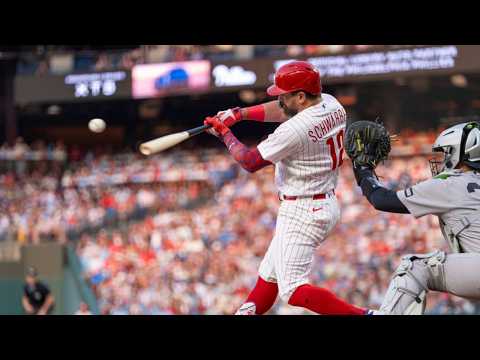
Kyle Schwarber | 2026 Highlights
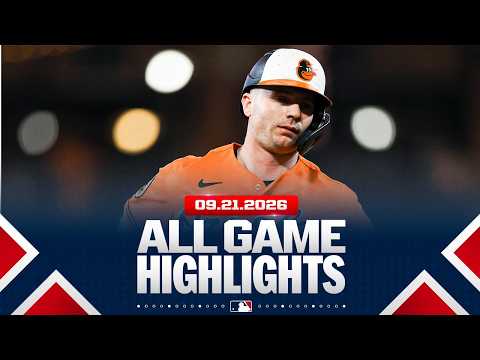
Highlights from ALL GAMES on 9/21 (Pete Alonso’s 40TH HOME RUN and MORE!)
2026 Shohei Ohtani Highlights (Another incredible year for the Dodgers’ star!) 大谷 翔平
Chart basis: counts from Sport on Earth’s own carried data files at build time — verified videos carried for this sport (the verified pool: sport-videos.json + the desk league pools), news items carried (news.json), and league pages carried (desk.json). No external or estimated figures.
The filter sorts the Review Room embeds and the picture cards above by the keywords in their carried titles (review / analysis / recap and similar, or highlights). It runs entirely in your browser — nothing is sent anywhere.
Hall of Fame
This page carries three national halls in full — Cooperstown (United States), Tokyo (Japan) and Monterrey (Mexico), the longest-established halls of the three great baseball nations.
National Baseball Hall of Fame
Cooperstown, New York, United States
354 inductees — every name on the hall's published list, grouped by class year.
All 354 inductees by class year
1936 — Ty Cobb (CF) · Walter Johnson (P) · Christy Mathewson (P) · Babe Ruth (RF) · Honus Wagner (SS)
1937 — Morgan Bulkeley (EXEC) · Ban Johnson (EXEC) · Nap Lajoie (2B) · Connie Mack (MGR) · John McGraw (MGR) · Tris Speaker (CF) · George Wright (EXEC/PIO) · Cy Young (P)
1938 — Grover Cleveland Alexander (P) · Alexander Cartwright (PIO) · Henry Chadwick (PIO)
1939 — Cap Anson (1B) · Eddie Collins (2B) · Charles Comiskey (EXEC/PIO) · Candy Cummings (EXEC/PIO) · Buck Ewing (C) · Lou Gehrig (1B) · Willie Keeler (RF) · Charles Radbourn (P) · George Sisler (1B) · Albert Spalding (EXEC/PIO)
1942 — Rogers Hornsby (2B)
1944 — Kenesaw Landis (EXEC)
1945 — Roger Bresnahan (C) · Dan Brouthers (1B) · Fred Clarke (LF) · Jimmy Collins (3B) · Ed Delahanty (LF) · Hugh Duffy (CF) · Hugh Jennings (SS) · King Kelly (RF) · Jim O’Rourke (LF) · Wilbert Robinson (MGR)
1946 — Jesse Burkett (LF) · Frank Chance (1B) · Jack Chesbro (P) · Johnny Evers (2B) · Clark Griffith (EXEC/PIO) · Tommy McCarthy (RF) · Joe McGinnity (P) · Eddie Plank (P) · Joe Tinker (SS) · Rube Waddell (P) · Ed Walsh (P)
1947 — Mickey Cochrane (C) · Frankie Frisch (2B) · Lefty Grove (P) · Carl Hubbell (P)
1948 — Herb Pennock (P) · Pie Traynor (3B)
1949 — Mordecai Brown (P) · Charlie Gehringer (2B) · Kid Nichols (P)
1951 — Jimmie Foxx (1B) · Mel Ott (RF)
1952 — Harry Heilmann (RF) · Paul Waner (RF)
1953 — Ed Barrow (EXEC) · Chief Bender (P) · Tom Connolly (UMP) · Dizzy Dean (P) · Bill Klem (UMP) · Al Simmons (LF) · Bobby Wallace (SS) · Harry Wright (EXEC)
1954 — Bill Dickey (C) · Rabbit Maranville (SS) · Bill Terry (1B)
1955 — Frank Baker (3B) · Joe DiMaggio (CF) · Gabby Hartnett (C) · Ted Lyons (P) · Ray Schalk (C) · Dazzy Vance (P)
1956 — Joe Cronin (SS) · Hank Greenberg (1B)
1957 — Sam Crawford (RF) · Joe McCarthy (MGR)
1959 — Zack Wheat (LF)
1961 — Max Carey (CF) · Billy Hamilton (CF)
1962 — Bob Feller (P) · Bill McKechnie (MGR) · Jackie Robinson (2B) · Edd Roush (CF)
1963 — John Clarkson (P) · Elmer Flick (RF) · Sam Rice (RF) · Eppa Rixey (P)
1964 — Luke Appling (SS) · Red Faber (P) · Burleigh Grimes (P) · Miller Huggins (MGR) · Tim Keefe (P) · Heinie Manush (LF) · John Montgomery Ward (SS)
1965 — Pud Galvin (P)
1966 — Casey Stengel (MGR) · Ted Williams (LF)
1967 — Branch Rickey (EXEC) · Red Ruffing (P) · Lloyd Waner (CF)
1968 — Kiki Cuyler (RF) · Goose Goslin (LF) · Joe Medwick (LF)
1969 — Roy Campanella (C) · Stan Coveleski (P) · Waite Hoyt (P) · Stan Musial (LF)
1970 — Lou Boudreau (SS) · Earle Combs (CF) · Ford Frick (EXEC) · Jesse Haines (P)
1971 — Dave Bancroft (SS) · Jake Beckley (1B) · Chick Hafey (LF) · Harry Hooper (RF) · Joe Kelley (LF) · Rube Marquard (P) · Satchel Paige (P) · George Weiss (EXEC)
1972 — Yogi Berra (C) · Josh Gibson (C) · Lefty Gomez (P) · Will Harridge (EXEC) · Sandy Koufax (P) · Buck Leonard (1B) · Early Wynn (P) · Ross Youngs (RF)
1973 — Roberto Clemente (RF) · Billy Evans (UMP) · Monte Irvin (LF) · George Kelly (1B) · Warren Spahn (P) · Mickey Welch (P)
1974 — Cool Papa Bell (CF) · Jim Bottomley (1B) · Jocko Conlan (UMP) · Whitey Ford (P) · Mickey Mantle (CF) · Sam Thompson (RF)
1975 — Earl Averill (CF) · Bucky Harris (MGR) · Billy Herman (2B) · Judy Johnson (3B) · Ralph Kiner (LF)
1976 — Oscar Charleston (CF) · Roger Connor (1B) · Cal Hubbard (UMP) · Bob Lemon (P) · Freddie Lindstrom (3B) · Robin Roberts (P)
1977 — Ernie Banks (SS) · Martín Dihigo (P) · Pop Lloyd (SS) · Al López (MGR) · Amos Rusie (P) · Joe Sewell (SS)
1978 — Addie Joss (P) · Larry MacPhail (EXEC) · Eddie Mathews (3B)
1979 — Warren Giles (EXEC) · Willie Mays (CF) · Hack Wilson (CF)
1980 — Al Kaline (RF) · Chuck Klein (RF) · Duke Snider (CF) · Tom Yawkey (EXEC)
1981 — Rube Foster (EXEC) · Bob Gibson (P) · Johnny Mize (1B)
1982 — Hank Aaron (RF) · Happy Chandler (EXEC) · Travis Jackson (SS) · Frank Robinson (RF)
1983 — Walter Alston (MGR) · George Kell (3B) · Juan Marichal (P) · Brooks Robinson (3B)
1984 — Luis Aparicio (SS) · Don Drysdale (P) · Rick Ferrell (C) · Harmon Killebrew (1B) · Pee Wee Reese (SS)
1985 — Lou Brock (LF) · Enos Slaughter (RF) · Arky Vaughan (SS) · Hoyt Wilhelm (P)
1986 — Bobby Doerr (2B) · Ernie Lombardi (C) · Willie McCovey (1B)
1987 — Ray Dandridge (3B) · Catfish Hunter (P) · Billy Williams (LF)
1988 — Willie Stargell (LF)
1989 — Al Barlick (UMP) · Johnny Bench (C) · Red Schoendienst (2B) · Carl Yastrzemski (LF)
1990 — Joe Morgan (2B) · Jim Palmer (P)
1991 — Rod Carew (2B) · Ferguson Jenkins (P) · Tony Lazzeri (2B) · Gaylord Perry (P) · Bill Veeck (EXEC)
1992 — Rollie Fingers (P) · Bill McGowan (UMP) · Hal Newhouser (P) · Tom Seaver (P)
1993 — Reggie Jackson (RF)
1994 — Steve Carlton (P) · Leo Durocher (MGR) · Phil Rizzuto (SS)
1995 — Richie Ashburn (CF) · Leon Day (P) · William Hulbert (EXEC) · Mike Schmidt (3B) · Vic Willis (P)
1996 — Jim Bunning (P) · Bill Foster (P) · Ned Hanlon (MGR) · Earl Weaver (MGR)
1997 — Nellie Fox (2B) · Tommy Lasorda (MGR) · Phil Niekro (P) · Willie Wells (SS)
1998 — George Davis (SS) · Larry Doby (CF) · Lee MacPhail (EXEC) · Bullet Rogan (P) · Don Sutton (P)
1999 — George Brett (3B) · Orlando Cepeda (1B) · Nestor Chylak (UMP) · Nolan Ryan (P) · Frank Selee (MGR) · Joe Williams (P) · Robin Yount (SS)
2000 — Sparky Anderson (MGR) · Carlton Fisk (C) · Bid McPhee (2B) · Tony Pérez (1B) · Turkey Stearnes (CF)
2001 — Bill Mazeroski (2B) · Kirby Puckett (CF) · Hilton Smith (P) · Dave Winfield (RF)
2002 — Ozzie Smith (SS)
2003 — Gary Carter (C) · Eddie Murray (1B)
2004 — Dennis Eckersley (P) · Paul Molitor (3B)
2005 — Wade Boggs (3B) · Ryne Sandberg (2B)
2006 — Ray Brown (P) · Willard Brown (CF) · Andy Cooper (P) · Frank Grant (EXEC) · Pete Hill (CF) · Biz Mackey (C) · Effa Manley (EXEC) · José Méndez (P) · Alex Pompez (EXEC) · Cum Posey (EXEC) · Louis Santop (C) · Bruce Sutter (P) · Mule Suttles (1B) · Ben Taylor (1B) · Cristóbal Torriente (CF) · Sol White (EXEC) · J. L. Wilkinson (EXEC) · Jud Wilson (3B)
2007 — Tony Gwynn (RF) · Cal Ripken Jr. (SS)
2008 — Barney Dreyfuss (EXEC/PIO) · Rich Gossage (P) · Bowie Kuhn (EXEC) · Walter O’Malley (EXEC) · Billy Southworth (MGR) · Dick Williams (MGR)
2009 — Joe Gordon (2B) · Rickey Henderson (LF) · Jim Rice (LF)
2010 — Andre Dawson (RF) · Doug Harvey (UMP) · Whitey Herzog (MGR)
2011 — Roberto Alomar (2B) · Bert Blyleven (P) · Pat Gillick (EXEC)
2012 — Barry Larkin (SS) · Ron Santo (3B)
2013 — Hank O’Day (UMP) · Jacob Ruppert (EXEC) · Deacon White (3B)
2014 — Bobby Cox (MGR) · Tom Glavine (P) · Tony La Russa (MGR) · Greg Maddux (P) · Frank Thomas (1B) · Joe Torre (MGR)
2015 — Craig Biggio (2B) · Randy Johnson (P) · Pedro Martinez (P) · John Smoltz (P)
2016 — Ken Griffey Jr. (CF) · Mike Piazza (C)
2017 — Jeff Bagwell (1B) · Tim Raines (LF) · Iván Rodríguez (C) · John Schuerholz (EXEC) · Bud Selig (EXEC)
2018 — Vladimir Guerrero (RF) · Trevor Hoffman (P) · Chipper Jones (3B) · Jack Morris (P) · Jim Thome (1B) · Alan Trammell (SS)
2019 — Harold Baines (DH) · Roy Halladay (P) · Edgar Martínez (DH) · Mike Mussina (P) · Mariano Rivera (P) · Lee Smith (P)
2020 — Derek Jeter (SS) · Marvin Miller (EXEC) · Ted Simmons (C) · Larry Walker (RF)
2022 — Bud Fowler (EXEC) · Gil Hodges (1B) · Jim Kaat (P) · Minnie Miñoso (LF) · Tony Oliva (RF) · Buck O’Neil (EXEC) · David Ortiz (DH)
2023 — Fred McGriff (1B) · Scott Rolen (3B)
2024 — Adrián Beltré (3B) · Todd Helton (1B) · Jim Leyland (MGR) · Joe Mauer (C)
2025 — Dick Allen (1B) · Dave Parker (RF) · CC Sabathia (P) · Ichiro Suzuki (RF) · Billy Wagner (P)
2026 — Carlos Beltrán (CF) · Andruw Jones (CF) · Jeff Kent (2B)
Source basis: Wikipedia — "List of members of the Baseball Hall of Fame" (accessed Nov 1, 2026); parsed mechanically from the article’s published table. Material from Wikipedia is used under CC BY-SA 4.0..
Japanese Baseball Hall of Fame
Tokyo, Japan
223 inductees — every name on the hall's published list, grouped by class year.
All 223 inductees by class year
1959 — Matsutaro Shoriki · Hiraoka Hiroshi · Yokio Aoi · Abe Isoo · Shin Hashido · Kiyoshi Oshikawa · Jiro Kuji · Eiji Sawamura · Michimaro Ono
1960 — Victor Starffin · Atsushi Kono · Yaichiro Sakurai · Chujun Tobita
1962 — Yutaka Ikeda · Tadao Ichioka
1963 — Haruyasu Nakajima
1964 — Tadashi Wakabayashi · Kiyoshi Miyahara
1965 — Tetsuharu Kawakami · Kazuto Tsuruoka · Nobori Inoue · Saburo Miyatake · Masaru Kageura
1966 — Tsunetaro Moriyama
1967 — Hisashi Koshimoto
1968 — Sotaro Suzuki · Munehide Tanabe · Ichizō Kobayashi
1969 — Hisanori Karita · Daisuke Miyake · Takeo Tabe · Jiro Morioka · Zensuke Shimada · Yoriyasu Arima
1970 — Shunichi Amachi · Nobuaki Nidegawa · Komajiro Tamura · Matsutaro Naoki · Kanoe Chuma
1971 — Tokuro Konishi · Rihachi Mizuno
1972 — Shuichi Ishimoto · Takeji Nakano · Shigeru Ohta
1973 — Kohzo Utsumi · Teiyu Amano · Kenzo Hirose
1974 — Sadayoshi Fujimoto · Fumio Fujimura · Seizo Noda
1976 — Hideo Fujimoto · Shinzo Koizumi
1977 — Shigeru Mizuhara · Michio Nishizawa · Shigeo Mori · Yukio Nishimura
1978 — Kenjiro Matsuki · Shinji Hamazaki · Yasuhiro Itami · Masaki Yoshihara · Okada Genzaburo
1979 — Takehiko Bessho · Ryozo Hiranuma · Goro Taniguchi
1980 — Hiroshi Ohshita · Makoto Kozuru · Shigeru Chiba
1981 — Tokuji Iida · Yoshiyuki Iwamoto · Tatsuo Saeki · Shotaro Ogawa
1982 — Ryuji Suzuki · Mojuro Tonooka
1983 — Osamu Mihara · Uchimura Yushi
1984 — Shinji Kirihara
1985 — Shigeru Sugishita · Katsumi Shiraishi · Atsushi Aramaki · Katsuo Tanaka · Ikushi Yamanouchi
1986 — Miyoshi Nakagawa · Masao Matsukata
1987 — Nobuo Fujita · Minoru Yamashita
1988 — Shigeo Nagashima · Kaoru Betto · Yukio Nishimoto · Masaichi Kaneda · Saburo Yokozawa · Takeo Akuta · Masaichi Nagata
1989 — Hidenosuke Shima · Katsuya Nomura · Jiro Noguchi · Tsuneo Ikeda · Masao Date
1990 — Juzo Sanada · Isao Harimoto · Isamu Saeki
1991 — Shigeru Makino · Osamu Tsutsui · Kichiro Shimaoka · Yoshio Nakazawa
1992 — Tatsuro Hirooka · Tsubouchi Michinori · Yoshio Yoshida · Masao Yoshida
1993 — Kazuhisa Inao · Minoru Murayama
1994 — Sadaharu Oh · Wally Yonamine · Tomoo Hirooka
1995 — Tadashi Sugiura · Tokichiro Ishii · Shosei Go · Minoru Murakami
1996 — Motoshi Fujita · Sachio Kinugasa · Naotaka Makino · Makoto Hosaka
1997 — Katsuo Osugi · Eiichiro Yamamoto
1998 — Hiroshi Nakao · Shinjiro Iguchi
1999 — Futoshi Nakanishi · Yoshinori Hirose · Takeshi Koba · Sadao Kondoh · Ichiro Yoshikuni
2000 — Shintaro Fukushima · Tetsuya Yoneda
2001 — Rikuo Nemoto · Masaaki Koyama · Tsutomu Takeda · Ryohei Hasegawa
2002 — Kazuhiro Yamauchi · Keishi Suzuki · Yutaka Fukumoto · Kenjiro Tamiya · Fujio Nakazawa · Ikuhara Akihiro · Lefty O’Doul · Masaoka Shiki
2003 — Toshiharu Ueda · Junzo Sekine · Kohei Matsuda · Horace Wilson · Sakae Suzuka
2004 — Akira Ohgi · Noboru Akiyama
2005 — Choji Murata · Masaaki Mori · Masayori Shimura
2006 — Hiromitsu Kadota · Morimichi Takagi · Hisashi Yamada · Hiromori Kawashima · Yasumitsu Toyoda
2007 — Takao Kajimoto · Reiichi Matsunaka
2008 — Tsuneo Horiuchi · Seiichi Shima · Koji Yamamoto
2009 — Tsutomu Wakamatsu · Noboru Aota · Ichiro Kimishima · Yoshinori Okoso
2010 — Osamu Higashio · Shinichi Eto · Masayuki Furuta
2011 — Hiromitsu Ochiai · Mutsuo Minagawa
2012 — Tsunemi Tsuda · Manabu Kitabeppu · Kiro Osafune · Osamu Omoto
2013 — Yutaka Ohno · Yoshiro Sotokoba · Kazuo Fukushima
2014 — Koji Akiyama · Hideo Nomo · Kazuhiro Sasaki · Choichi Aida
2015 — Atsuya Furuta · Kazuo Hayashi · Ryohei Murayama
2016 — Masaki Saito · Kimiyasu Kudō · Kihachi Enomoto · Takizo Matsumoto · Masatake Yamanaka
2017 — Tsutomu Itō · Masaji Hiramatsu · Senichi Hoshino · Hiroshi Goshi · Mirei Suzuki
2018 — Hideki Matsui · Tomoaki Kanemoto · Tatsunori Hara · Masao Taki
2019 — Kazuyoshi Tatsunami · Hiroshi Gondoh · Haruo Wakimura
2020 — Kōichi Tabuchi · Yukichi Maeda · Renzo Ishii
2021 — Katsuji Kawashima · Kazuo Sayama
2022 — Masa Yamamoto · Shingo Takatsu · Shigeyoshi Matsumae
2023 — Alex Ramírez · Randy Bass · Yuji Koseki
2024 — Hiroki Kuroda · Motonobu Tanishige · Tomoichi Tanimura
2025 — Ichiro Suzuki · Hitoki Iwase · Masayuki Kakefu · Hiroya Tomizawa
2026 — Hideki Kuriyama
Source basis: Wikipedia — "Japanese Baseball Hall of Fame" (accessed Nov 1, 2026); parsed mechanically from the article’s published table. Material from Wikipedia is used under CC BY-SA 4.0..
Mexican Baseball Hall of Fame
Monterrey, Mexico
230 inductees — every name on the hall's published list, grouped by class year.
All 230 inductees by class year
1939 — Leo Najo (Player (CF)) · Fernando Barradas (Player (LHP)) · Antonio Delfín (Player (RHP)) · Lucas Juárez (Player (RHP)) · Julio Molina (Player (RHP))
1964 — Ramón Bragaña (Player (RHP)) · Genaro Casas (Player (RHP)) · Ángel Castro (Player (1B)) · Martín Dihigo (Player (RHP)) · Lázaro Salazar (Manager) · Epitacio Torres (Player (RF))
1971 — Mel Almada (Player (CF)) · Beto Ávila (Player (2B)) · Roy Campanella (Player (C)) · Ernesto Carmona (Manager) · Alberto Romo Chávez (Player (RHP)) · Josh Gibson (Player (C)) · José Luis Gómez (Player (2B)) · Monte Irvin (Player (LF)) · Jorge Pasquel (Executive) · Alejandro Aguilar Reyes (Writer) · Jesús Valenzuela (Player (RHP))
1973 — Agustín Bejerano (Player (CF)) · Anuar Canavati (Executive) · Manuel Oliveros (Manager) · Roberto Ortiz (Player (RF)) · Lázaro Penagos (Executive) · Daniel Ríos (Player (RHP))
1974 — Ramiro Cuevas (Player (RHP)) · Al Pinkston (Player (RF)) · Agustín Verde (Manager)
1976 — Guillermo Álvarez (Player (SS)) · Fernando Campos (Writer) · Luis Montes de Oca (Player (3B))
1977 — Santos Amaro (Player (RF)) · Guillermo Garibay (Manager)
1978 — Felipe Montúfar (Player (RHP))
1979 — Jesús Díaz (Player (CF)) · Basilio Rosell (Player (RHP))
1980 — Carlos Alberto González (Umpire) · Ramón Montes de Oca (Player (1B)) · Eduardo Orvañanos (Writer) · Leo Rodríguez (Player (3B))
1981 — Tomás Arroyo (Player (RHP)) · Salvador Castro (Umpire) · Vinicio García (Player (2B)) · Apolinar Pulido (Player (SS))
1982 — Mario Ariosa (Player (CF)) · Horacio Díaz (Executive) · Manuel Echeverría (Player (RHP)) · Francisco Ramírez (Player (RHP)) · Wild Bill Wright (Player (CF))
1983 — José Bache (Player (2B)) · Ronnie Camacho (Player (1B)) · Felipe Montemayor (Player (CF)) · Rafael Reyes Nájera (Writer) · Alejo Peralta (Executive) · Claudio Solano (Player (CF))
1984 — Gabriel Atristain (Umpire) · Manuel González Caballero (Writer) · Miguel Fernández (Player (CF)) · Guillermo López (Player (RHP)) · Alfonso Ramírez (Player (RHP))
1985 — Adolfo Luque (Manager) · Porfirio Martínez (Player (RHP)) · Miguel Sotelo (Player (RHP) / Manager)
1986 — Rubén Amaro Sr. (Player (SS)) · Moisés Camacho (Player (2B)) · Marcos Valdez (Player (RHP)) · Benjamín Valenzuela (Player (3B))
1987 — Manuel Chávez (Player (3B)) · Jesse Flores (Player (RHP)) · Juan Ley Fong (Executive) · Guillermo Luna (Player (LHP)) · Raúl Mendoza Mancilla (Writer) · Antonio Ramírez Muro (Executive)
1988 — Abel Francisco Cano (Writer) · Lino Donoso (Player (LHP)) · Héctor Espino (Player (1B)) · Horacio Piña (Player (RHP)) · Arnulfo Rodríguez (Executive) · Pedro Septién (Writer)
1989 — Ray Dandridge (Player (SS)) · Oscar Esquivel (Writer) · José Guerrero (Player (3B)) · Teodoro Mariscal (Executive)
1990 — Alfonso Robinson Bours (Executive) · Amado Maestri (Umpire) · Ramón Montoya (Player (CF)) · Tommy Morales (Writer) · Alfredo Ríos (Player (3B))
1991 — Jaime Corella (Player (C)) · Agustín de Valdez (Writer) · Juan Lima (Umpire) · Chara Mansur (Executive) · Antonio Pollorena (Player (RHP))
1992 — Jorge Blanco (Writer) · José Peña (Player (RHP)) · Benjamín ’Cananea’ Reyes (Manager) · Armando Rodríguez (Umpire) · Vicente Romo (Player (RHP))
1993 — Ramón Arano (Player (RHP)) · Humberto Galaz (Writer) · René González (Player (1B)) · Aurelio López (Player (RHP)) · Homobono Márquez (Executive) · Alfredo Ortiz (Player (LHP)) · Oscar Rodríguez (Player (CF))
1994 — Jaime Pérez Avella (Executive) · Carlos Galina (Player (1B)) · Miguel Gaspar (Player (C)) · Celerino Sánchez (Player (3B)) · Miguel Suárez (Player (RF))
1995 — Rodolfo Alvarado (Player (RHP)) · William Berzunza (Player (1B)) · Arnoldo Castro (Player (2B)) · Aurelio Rodríguez (Player (3B))
1996 — Jorge Alarcón (Writer) · César Díaz (Player (RHP)) · Juan Manuel Ley (Executive) · Orestes Miñoso (Player (RF)) · Jorge Orta (Player (2B))
1997 — Andrés Ayón (Player (RHP)) · Alfonso Araujo Bojorquez (Writer) · Maximino León (Player (RHP)) · Víctor Saíz (Umpire)
1998 — Don Eugenio Garza Sada (Executive) · Marcelo Juárez (Player (CF)) · Juan Navarrete (Player (2B)) · Miguel Solís (Player (RHP))
1999 — George Brunet (Player (LHP)) · Pedro Treto Cisneros (Executive) · Gregorio Luque (Player (C)) · Francisco Maytorena (Player (RHP))
2000 — Francisco ’Paquín’ Estrada (Player (C)) · Gabriel Lugo (Player (2B)) · Roberto Méndez (Player (2B)) · Mario Mendoza (Player (SS))
2001 — Jorge Fitch (Player (SS)) · Jack Pierce (Player (1B)) · Pedro Ramírez (Player (CF)) · Rudy Sandoval (Player (C))
2002 — Salomé Barojas (Player (RHP)) · Ernesto Escárrega (Player (RHP)) · Roberto Mansur Galán (Executive) · José Maiz García (Executive) · Mario Hernández Maytorena (Executive) · Jesús Sommers (Player (3B))
2003 — Nelson Barrera (Player (3B)) · Enrique Kerlegand (Writer) · Andrés Mora (Player (1B)) · Enrique Romo (Player (RHP)) · Fermín Vázquez (Player (3B))
2004 — Sid Monge (Player (LHP)) · Elpidio Osuna (Player (CF)) · Chico Rodríguez (Player (SS)) · Ismael Ruiz (Umpire)
2005 — Cecilio Acosta (Player (RHP)) · Enrique Aguilar (Player (3B)) · Herminio Domínguez (Player (LHP)) · Rafael Garcia (Player (RHP)) · Alvaro Lebrija (Executive)
2006 — Jorge de la Serna (Writer) · José Isabel Jiménez (Writer) · Jaime Orozco (Player (RHP)) · Sergio Robles (Player (C)) · Ray Torres (Player (RF))
2007 — Francisco Alcaraz (Umpire) · Benjamín Cerda (Player (3B)) · Houston Jiménez (Player (SS)) · Carlos Soto (Player (C))
2008 — Antonio Briones (Player (2B)) · Enrique Castillo (Player (RHP)) · Arcadio Valenzuela (Executive)
2009 — Salvador Colorado (Player (RHP)) · Arturo González (Player (RHP)) · Juan José Pacho (Player (SS)) · Domingo Setien (Broadcaster)
2010 — Derek Bryant (Player (OF)) · Efraín Ibarra (Umpire) · Armando Reynoso (Player (RHP)) · Gerardo Sánchez (Player (OF)) · Alonso Téllez (Player (OF))
2011 — Jimmie Collins (Player (OF)) · Mercedes Esquer (Player (LHP)) · Teodoro Higuera (Player (LHP)) · Arturo León Lerma (Executive)
2012 — Ángel Moreno (Player (LHP)) · Alejandro Ortiz (Player (3B)) · Juan Francisco Rodríguez (Player (2B)) · Eduardo Valdez Vizcarra (Broadcaster)
2013 — Cornelio García (Player (1B)) · Alfredo Mariscal (Player (LHP)) · Jesús Ríos (Player (RHP)) · Juan Suby (Player (RHP)) · Jesús Monter (Umpire)
2014 — Daniel Fernández (Player (OF)) · Cuauhtémoc Rodríguez (Executive) · Ricardo Sáenz (Player (OF)) · Fernando Valenzuela (Player (LHP))
2020 — Matías Carrillo (Player (OF)) · Vinicio Castilla (Player (3B)) · Isidro Márquez (Player (RHP)) · José Luis Sandoval (Player (SS)) · Eduardo Jiménez (Player (OF)) · Barney Serrell (Player (2B)) · Jorge Menéndez Torre (Broadcaster)
2023 — Alfredo Harp Helú (Executive) · Luis Arredondo (Player (OF)) · Roberto Vizcarra (Player (2B)) · Javier Robles (Player (SS)) · Noé Muñoz (Player (C)) · Juan Gabriel Castro (Player (SS)) · Alejo Ahumada (Player (P)) · Jesús Moreno (Player (P)) · Tomás Herrera (Manager)
2024 — Juan Manuel Palafox (Player (P)) · Ramón Orantes (Player (IF)) · Cecilio Ruiz (Player (P)) · Miguel Flores (Player (2B)) · Yovani Gallardo (Player (P)) · Richard Sandate (Player (P)) · Luis Alberto Ramírez (Umpire)
2025 — Francisco Campos (Player (RHP)) · Jorge de la Rosa (Player (LHP)) · Enrique Mazón (Executive) · Roberto Ramírez (Player (LHP)) · Óscar Robles (Player (2B)) · Roberto Saucedo (Player (1B)) · Ismael Valdez (Player (RHP))
Source basis: Wikipedia — "Mexican Baseball Hall of Fame" (accessed Nov 1, 2026); parsed mechanically from the article’s published table. Material from Wikipedia is used under CC BY-SA 4.0..
Full inductee profiles → 590 of the 807 inductees above carry a full verified profile — biography, induction record and verified video where one exists. The rest are list-only until a biography can be verified the same way.
📖 The Baseball Playbook — every entry, plus the arcade strategy, at the foot of this page.
Baseball Arcade — Boundary Launch
An arcade take on Baseball: set the angle, set the power, and land the ball in the boundary rope. Five attempts; the closer to the middle, the more it scores. Arcade distances and a training arc — a game in the spirit of the sport, not a simulation of it.
More ways to play Baseball
This page’s own game is the arcade above. Everything else on the site that fits this sport is listed here — and anything borrowed from a similar sport is labelled as that sport’s game, never passed off as this one’s.
- Quiz track — 12 questions on Baseball, drawn from this site's own record for the sport: Quiz Tracks (choose “Baseball”).
- Top Sport on Earth — Baseball is one of the 455 sport cards in the SPORTS deck: play Top Sport on Earth.
- Mock Draft Simulator — run the MLB (2027) drafts on the site's real boards: Mock Draft Simulator.
- More in this family — Pesäpallo Arcade — Boundary Launch: the game of Pesäpallo, a similar sport in Baseball’s family.
- Everything else the site runs lives on the Games hub.
Training by attribute
This sport's demands, broken down by attribute — the attributes it trains, why it demands them, and a sample week built from published coaching sources (general information, not medical advice): Training by Attribute — Baseball.
On screen
5 verified documentaries, films and series about this sport are listed in the site's screen guide: Sport on Screen — Baseball.
Surfaces & turf
How the fields get made: The Turf Guide — every major surface option, benefits vs drawbacks, grass vs turf — and one club in depth: Tampa Bay Rays turf utilization.
Tools for Baseball
The tools on this site that honestly run on Baseball — its own record first, then the site-wide general tools that apply. The full Baseball toolkit prints the ones that do not apply, with the data reason why.
Tools that run on Baseball’s own record
- You Are the Referee — Branching decision trees built from this sport’s own rule-changes dossier, each ruling cited to its rule.
- Signals in the Record — The officials’ signals extracted from the rule dossiers, this sport’s included where its dossier documents them.
- The Model Lab — Re-weights carried standings archives — this sport’s archive is one of them — into rankings under your criteria. A model, never a prediction.
- Cross-Era Normalizer — Restates a team season from this sport’s standings archive against another era’s baseline, basis printed.
- Strength of Schedule — SoS tables computed from the site’s standings archives, this sport’s leagues included, formula printed.
- Anomaly Desk — Statistical outlier scans over the archives flag this sport’s strangest team seasons, each linked to its data.
- Scouting Report Builder — Assembles a standardized scouting report from the player directories the site carries — this sport has one.
- Directory Heatmaps — Canvas heatmaps computed from the carried player directories, this sport’s directory among them.
- Player Card Studio — Trading-card fronts built from the site’s own carried player data — the directory line, the board rank and the stat line exactly as the board carries them; this sport has a directory.
- Draft Capital Board — Pick values computed from the draft boards the site carries — this sport’s league boards are among them, on the house value curve, labeled as a model.
- Field Blueprints — A scale diagram of this sport’s playing surface, dimensions as published in the governing laws its dossier cites.
- Venue Profiles — The venue directories the site carries name 1308 venues for this sport, with the flagship grounds documented from the structured record.
General tools that also apply
Site-wide tools, not built for Baseball alone: Tournament Planner · My Notebook · The Labs · Design Studio · The Makers’ Bench · Match Day Desk · Play It Near You · Myth-Check Desk · Governing Bodies · Heat & Safety Calculator (WBGT) · Hydration Calculator · Training-Load Planner · Game Clock & Timer · Custom Rulebook Generator · Scout Notes Parser.
Player & referee associations
Players: Major League Baseball Players Association — The labour union representing all current Major League and Minor League Baseball players, officially recognised as a union in 1966.
Officials: Major League Baseball Umpires Association (association) — The MLB umpires’ union, certified in February 2000 as the World Umpires Association (WUA) after replacing the earlier MLUA, and renamed the MLBUA in July 2018.
Verified associations for this sport, from the sources listed on the players' associations and referees' associations pages.
The Baseball Playbook
The Playbook · set plays, systems & situations
baseball’s documented playbook — the hit-and-run, the squeeze, the shift and the double switch: a game of set plays with pauses between them.
14 entries, plus the arcade strategy below. All wording is original coaching-vocabulary prose; nothing is copied from any proprietary playbook.
The Hit-and-Run
The runner breaks with the pitch and the batter must swing, protecting the runner by putting the ball in play — ideally through the hole the covering infielder just left.
When it’s used: Called to start runners, avoid the double play, and punish infields that cheat toward the steal.
The sequence
- The runner goes on the pitcher’s first movement, stealing’s start with a hitter’s cover.
- The batter swings at anything reachable — the swing is the play, the hit is the bonus.
- The ground ball through the vacated side is the design’s masterpiece.
The Run-and-Hit
The hit-and-run’s freer cousin: the runner steals on his own read and the batter swings only at a pitch he likes — the runner’s jump, not the coach’s sign, starts the play.
When it’s used: For great base-stealers and trusted hitters: it trades the hit-and-run’s certainty for the swing’s quality.
The sequence
- The runner reads the pitcher’s move like a straight steal.
- The batter’s swing is optional, so the pitcher cannot pitch out of the play.
- The stolen base is the floor; the hit through the hole is the ceiling.
The Squeeze Play (Suicide and Safety)
Classic · the bunt that scores
The runner from third breaks for home as the pitcher delivers, and the batter bunts the ball on the ground — suicide if the runner goes with the pitch, safety if he waits to see the bunt down.
When it’s used: The game’s most committed play: both versions stake a run on a bunt’s first metre.
The sequence
- The batter shows bunt as late as his nerve allows — early shows are pitchouts.
- The bunt goes toward first or third on the ground, never in the air, never at the pitcher.
- The runner’s break is timed to the delivery he has studied all game.
The Infield Shift
Modern · fenced by rule since 2023 in MLB
Fielders abandon the textbook diamond and stack the side the batter’s spray chart says he will hit to — three infielders on one side, or the second baseman in short right field.
When it’s used: Data made it famous and the rules then fenced it: the modern shift lives within the two-either-side, feet-on-the-dirt limits.
The sequence
- The shift is set from the batter’s batted-ball record, not his reputation.
- The pitcher pitches into the shift — inside to a pull hitter whose fielders wait there.
- The batter’s counters are the bunt and the inside-out swing; shifts dare both.
The Intentional Walk (and Its Counter)
Four balls, deliberately wide, to pass a dangerous hitter for a weaker one or a force at every base — and the batter’s counter-craft of protecting against the pitch that isn’t one.
When it’s used: The walk is a trade the defence chooses; the offence’s job is to make the trade expensive.
The sequence
- The catcher stands and extends the glove wide on the pitcher’s first move (or the walk is simply signalled, under the modern no-pitch rule).
- The next batter is the play’s real subject: the walk is a scouting opinion made public.
- Rarely, the swinging counter exists: a too-close ’intentional’ ball is a pitch with a sign on it.
The Double Play Pivot (6-4-3)
Shortstop to second to first: the feed, the pivot man’s dance across the bag, and the throw made from a moving platform with the runner bearing down — the infield’s choreographed centrepiece.
When it’s used: The twin killing is a set play with a hundred rehearsed variations of feed and footwork.
The sequence
- The feed is underhand and gentle from close, firm from depth — never a fastball at a partner’s chest.
- The pivot man touches the bag with the foot that lets his body clear the runner’s line.
- The throw follows the clear in the same motion; separation is safety and speed at once.
The Cutoff and Relay
An outfielder’s throw to the plate is intercepted by the cutoff man when a trail runner must be held, or let through when the lead run is the prize — the shortstop or first baseman becomes the play’s traffic controller.
When it’s used: Relay discipline wins more games than arm strength: the throw’s destination is decided in the air.
The sequence
- The cutoff sets on the throw’s line, where the catcher can see him and call the decision.
- The catcher’s call — ’cut’ or silence — is the play’s only authority.
- The cut throw goes to the base the trail runner fears, not the one he is nearest.
The Rundown (The Pickle)
A trapped runner between bases is run back toward the base he came from with the fewest throws possible: fielders run him hard, commit him, and throw late and few.
When it’s used: Rundown doctrine is economy: every extra throw is an error invited.
The sequence
- The fielder with the ball runs the runner at full speed toward the next defender.
- The throw comes only when the runner commits — early throws are escapes gifted.
- Receivers peel to the base side; the tag is applied to the runner’s back-side lane.
The Pitchout
On a suspected steal, the pitcher throws deliberately wide of the plate where the catcher can take it standing, halving the throw’s time to second — paid for with a ball the batter cannot hit.
When it’s used: Called on counts and reputations: the pitchout is a wager of one ball against one base.
The sequence
- The pitch is wide to the catcher’s throwing side, at his standing glove.
- The middle infielders’ break is timed to the pitch, not the runner — the throw decides.
- Frequent pitchouts bend the running game backward: runners shorten leads all night.
The First-and-Third Play (Offence and Defence)
Runners at the corners: the offence’s runner at first breaks early to draw the throw, letting the runner at third score on it — and the defence’s counters (the cut, the fake, the look) are a playbook page of their own.
When it’s used: Baseball’s chess problem, set for a century: both dugouts know all the lines.
The sequence
- The runner at first breaks just early enough to be caught in no-man’s land if the throw goes through.
- The defence’s first answer is the middle infielder cutting the throw in front of second.
- The runner at third goes on the throw’s release past the cutoff — his read is the play’s hinge.
The Hidden Ball Trick
Classic · the ancient deception
The game’s ancient legal deception: an infielder keeps the ball after a play, tags the unwary runner when he steps off the base — the umpire and the rules require the pitcher to stay off the rubber, and the runner’s attention is the only real defence.
When it’s used: The rarest play in the book, kept alive because runners keep daydreaming.
The sequence
- The ball stays with the infielder through the play’s whole aftermath.
- The pitcher plays his part at a distance, never touching the rubber.
- The tag comes the moment the runner’s foot leaves the base — a century of victims agree it works.
The Defensive Alignment — No-Doubles Defence
Late and protecting a lead, outfielders play deep and the corners guard the lines, conceding the single to prevent the extra-base hit that brings the tying run around.
When it’s used: The endgame’s geometry: the defence trades bases, not hits, by the scoreboard’s arithmetic.
The sequence
- Outfielders set on the warning track’s edge, where doubles go to die.
- First and third basemen hug the lines — down-the-line is the only disaster.
- The pitcher works the middle of the plate’s lower half: a single is acceptable, a gap is not.
The Double Switch
The manager’s set play: a substitution paired with a position swap so the pitcher’s spot in the order moves away from the next innings — chess played with the lineup card.
When it’s used: A tactics entry: the double switch is the National League game’s old signature move.
The sequence
- The new fielder enters for the player who just batted; the new pitcher for the one due up soonest.
- The swap is announced as one move — the card is the play.
- Its value is measured in plate appearances the pitcher never has to make.
The Pickoff Play (The 31 Move and the Day-Light Play)
The first baseman breaks behind the runner on a timed count and the pitcher wheels and throws to the vacated bag as he arrives — the ’day-light’ play, so named because the throw goes to the daylight between fielder and base.
When it’s used: Pickoff plays are timed like snap counts: the whole infield knows the number.
The sequence
- The first baseman holds the runner close until the count’s number.
- He breaks for the bag as the pitcher is mid-delivery motion toward home — legally, the move is a throw, not a balk, when timed within the rules.
- The throw leads him to the bag; the tag is the daylight closing.
Playing the Game
Playing the Game — Boundary Launch
The arcade cell · strategy
This page’s arcade cell: launch the ball at the boundary rope from the long boundary · 52 m (arcade scale). Angle, power, launch — five attempts, and the cell keeps your best.
When it’s used: On this page, in the Play section — and its strategy is the same craft as the book above it, miniaturised.
The sequence
- Set the angle first. The target is the boundary rope, the long boundary · 52 m (arcade scale) — the angle is chosen for where the ball must finish, not where it starts.
- Set the power second, on the sweeping meter: the scoring zone is a band, not a point, so aim for the middle of the band you can repeat, not the edge you can imagine.
- Launch, and read the result like a rangefinder: every attempt tells you the cell’s wind — there is none, so a miss is a measurement error, and it is yours to correct on the next attempt.
- You have 5 attempts. Time the launch like a swing: full commitment on the attempts that count, never a checked half-effort.
- The cell’s own honesty line applies: arcade distances; a game, not a simulation.
Part of the Sport on Earth Playbooks — a book for every sport and every game on the site.
Behind the Play
Behind the Play · Full treatment — from this sport’s own record
A pitcher throws to a batter; hit the ball, run the bases, and score runs before three outs. Nine innings per game.
Behind the Play takes the decisive actions of Baseball apart: how the scoring play is built, which patterns the players are really running, and which rules remade the play into its modern shape.
The shape of the play
Baseball’s rulebook evolved by accretion for 150 years — the foul-strike rule alone took two leagues and three seasons to adopt. The MLB league page carries the professional game’s full dossier (spitball to pitch clock); this page covers the sport-wide foundations.
The patterns behind the play
- Time is the resource: the batting side trades its limited outs or overs for runs; every decision prices one against the other.
- Pitch/shot selection: the batter’s edge comes from attacking deliverable balls in their scoring zones and leaving the rest.
- Field settings are arguments: the fielding captain moves fielders to dare the batter into the shot the trap is set for.
- Running between the wickets/bases is a skill with its own calls, judging and backing-up — cheap runs live there.
- Matchups drive the day: captains and managers spend the game engineering the deliverer-against-batter pairings the numbers favour.
- The new ball / fresh delivery: the condition of the ball changes what it does — early overs and innings are a different contest from late ones.
Rules that remade the play
The Foul-Strike Rule (1901 (NL) / 1903 (AL)). The first two fouls became strikes (the rule, in softened form, persists: a foul with two strikes is not strike three, except a foul bunt, which is). The NL adopted it for 1901; the upstart AL held out until the 1903 peace agreement harmonised the codes.
The entire modern pitcher–hitter duel assumes this rule — the two-strike approach, pitch-count economics, the value of ’spoiling’ good pitches. It remains the template of baseball lawmaking: small textual change, total strategic consequence.
The Clean-Ball Era (1920) (1920). Beyond banning trick pitches, 1920’s reforms required umpires to keep clean, white balls in play — replacing scuffed or dirty balls on sight — and the leagues adopted a livelier, cork-centred ball with Australian wool yarn that held its shape.
Ball replacement is now so constant that a ball lives a handful of pitches; the spectacle of a fresh white ball is itself a 1920 invention, and modern debates (the ’juiced ball’ controversies of 2017–19) are arguments about the same variable the 1920 reformers first seized.
The DH Schism and Reunification (1973–2022). The American League’s designated hitter (1973) split the code; interleague play (1997) and the World Series forced fans to watch both versions; the 2022 universal DH reunified the sport’s rules for the first time in half a century.
College, high-school and most international baseball had long allowed DH variants of their own; the majors’ reunification aligned the whole pyramid, and ’should pitchers hit?’ is now a trivia debate rather than a living rule difference.
From this page’s Rule Changes & Named Rules dossier, where every entry names its source.
The moves in the book
- Innings / innings turn
- The batting side’s turn to score. Its structure differs by code — a fixed number of outs in baseball-family games, overs and wickets in cricket-family games.
- Batting order
- The fixed sequence in which batters come in; set before the game and managed tactically in most codes.
- Delivery
- The ball sent to the batter — bowled in cricket-family games, pitched in baseball-family games.
- Run
- The unit of scoring, earned by completing the code’s circuit (between wickets, or around the bases and home).
- Dismissal / out
- The ways a batter’s turn ends — caught, bowled, thrown out and their code-specific equivalents.
Source basis: this sport’s carried record on this page (verified record, rule-changes dossier, history datasets) and the play patterns of its family as written in the site’s guides. Nothing here is invented.